Telstra Refuses To Share Network After Optus Failure
 Ashley Riordan
22 Nov 2023

Telstra has claimed it’s not responsible for the Optus outage, and issues customers had making emergency calls, which took place on November 8th.
The company also revealed that it shouldn’t be forced to share its network with rivals during a crisis because it’s risky and expensive.
Telstra’s preliminary submission to the Senate inquiry argues it’s unrealistic for individuals to expect outages can be eliminated.
It claimed Optus’ failure to connect 228 000 calls during a 14 hour outage, had nothing to do with the Emergency Call Answer Points, which are run under contract with the government. This service operated as normal during the outage.

Said points facilitate emergency camp-on, which is a globally standardized mechanism that enables a mobile caller, outside the scope of their network, to dial 000 via a rival provider.
“We confirm that the service operated as per normal through the outage. All calls successfully delivered to the Triple Zero Emergency Call Answer Point were answered,” Telstra said.
“We do not have visibility of Optus customer experiences related to their ability to place successful triple zero calls. However, we did answer some emergency calls from Optus customers during the outage.”
The biggest issue for telcos after the outage has been pressure to enable a new regime of roaming, meaning customer services push towards other networks if their provider has an outage.
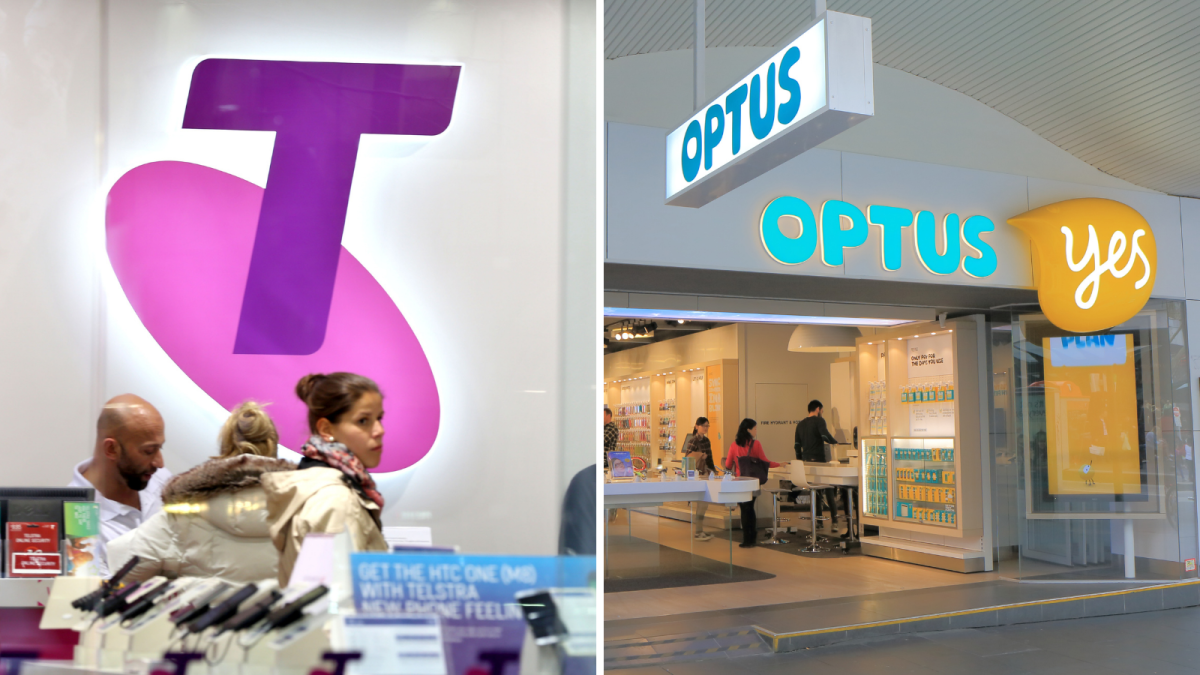
Telstra has undergone a trial to show this is possible in times of natural disasters. The company’s submission backed up claims made by Kelly Bayer Rosmarin, Optus CEO, last week. She said it would be unfeasible to expect telcos to share networks during outages.
“This is because roaming, even temporarily, requires authentication of the end user by their mobile network operator and ultimately the routing of their traffic back to the core network.”
“Even if a TDR (temporary disaster roaming) capability, as currently being considered, had been available on 8 November, it would not have been able to provide service to Optus’ customers, as all communications with the Optus core network were disrupted.”
Telstra revealed there was a “high risk” that a sudden increase in new connections and traffic, would overwhelm the host network, and leave the nation with two outages.

To avoid these issues would require extensive, costly work. Every telco’s subscriber records would have to be loaded into every network provider’s systems. It would require a new national register of customer subscription records, technical fixes, and pose security concerns.
“We are not aware of any other country doing this yet,” Telstra said.
Telstra and Optus believe the government should instead invest more to help telcos offer emergency roaming, and consider mandating domestic roaming.
“Mandated domestic roaming should be considered as a practical option to bring greater choice and connectivity to regional Australia.”
“This would also create incentives for increased investment in regional areas and reverse the trend of weakened competitive dynamics. A permanent roaming solution would also have the benefit of providing a much higher degree of network resilience for Australians living in regional areas.”