Telstra And TPG Chiefs Called To Senate As Triple Zero Concerns Grow
 April Ossington
08 Dec 2025
April Ossington
08 Dec 2025

The heads of Telstra and TPG Telecom, the owner of the Vodafone network, are set to appear before senators this week as concerns about Australia’s Triple Zero system expand from the Optus outage to the broader telecommunications sector.
Communications minister Anika Wells was also invited to attend Tuesday’s second public hearing on Triple Zero failures but will not appear. Wells has faced criticism from the Coalition for traveling to New York shortly after the Optus outage on September 18. A spokesman said the minister is accountable to the House of Representatives and noted that she has responded to numerous questions during parliamentary sessions and media briefings.
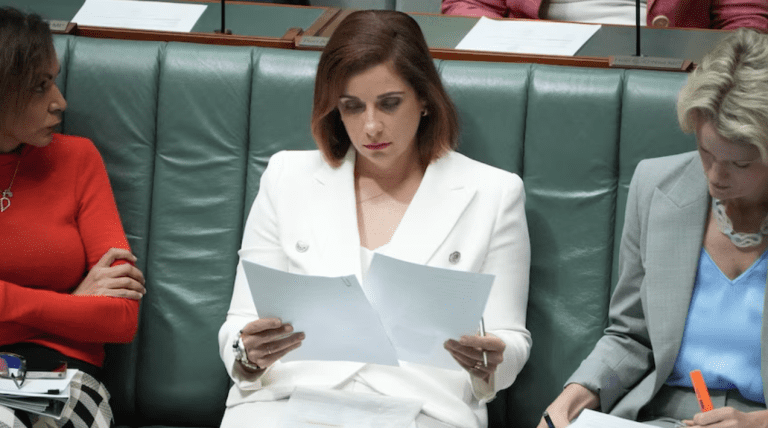 Communications minister, Anika Wells
Prime Minister Anthony Albanese defended Wells over the weekend as questions grew about the cost of her other travel, including trips to Adelaide and Thredbo.
Telstra chief executive Vicki Brady and TPG chief executive Inaki Berroeta will attend the hearing to address questions about their networks and emergency procedures.
The Optus outage, which resulted from an unsuccessful firewall upgrade, prevented more than 600 calls from immediately connecting with emergency services. In its aftermath, additional weaknesses in the national communications network have come to light.
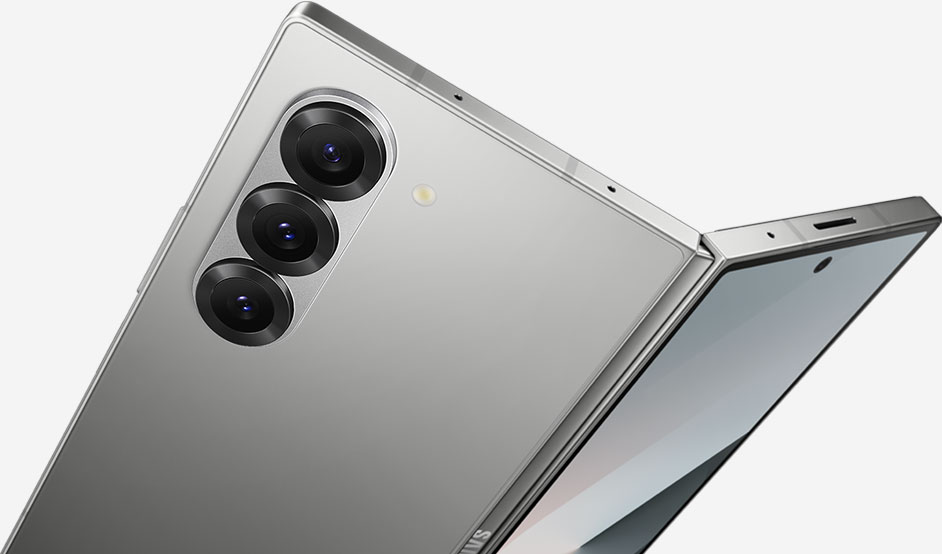
In late October, Telstra published a blog post stating that it had identified a group of Samsung phones that could not switch to TPG’s Vodafone network during emergencies. Mobile phones must be able to transfer emergency calls to alternative networks if their primary network is down, a process known as camping on.
Australia’s three mobile networks are operated by Telstra, Optus and TPG. Each provider is legally obligated to ensure that devices on their networks can make emergency calls and move to competing networks if an outage occurs.
More than 100,000 Samsung devices on Telstra’s network alone need software updates, and thousands require full replacement.
TPG also reported a fatal incident in November involving a customer who was unable to reach Triple Zero while using an older Samsung handset.
Samsung, in its submission to the Senate inquiry, argued that responsibility for the connection problems partly lies with mobile network operators. The company said the issues are linked to network conditions at the time the devices were introduced, as well as the industry’s transition following the shutdown of 3G networks, rather than any failure by handset makers to meet standards.
TPG had previously identified some Samsung models that were unable to contact Triple Zero during preparations for the national 3G switch-off. Those phones were blocked from TPG’s network, and the information was shared with Telstra and Optus. This year, TPG identified thousands of additional Samsung devices that needed software patches. It attributed the issue to an older configuration within the phones.
Samsung maintains that network operation and configuration, including access to Triple Zero, are the responsibility of Telstra, Optus and TPG. The company stated that network operators must ensure that compliant devices can reach emergency services and that any network modifications do not interfere with Triple Zero access.
The company has backed the idea of a public register showing which phone models meet Australian requirements. It also urged telcos to exchange technical information about device performance.
Three Samsung executives, including mobile division leader Eric Chou, will appear at Tuesday’s inquiry alongside representatives from Finnish telecommunications firm Nokia and Swedish network equipment provider Ericsson.