TCL Note A1 Nxtpaper Blurs The Line Between Tablet And Digital Notebook
 April Ossington
26 Aug 2026
April Ossington
26 Aug 2026
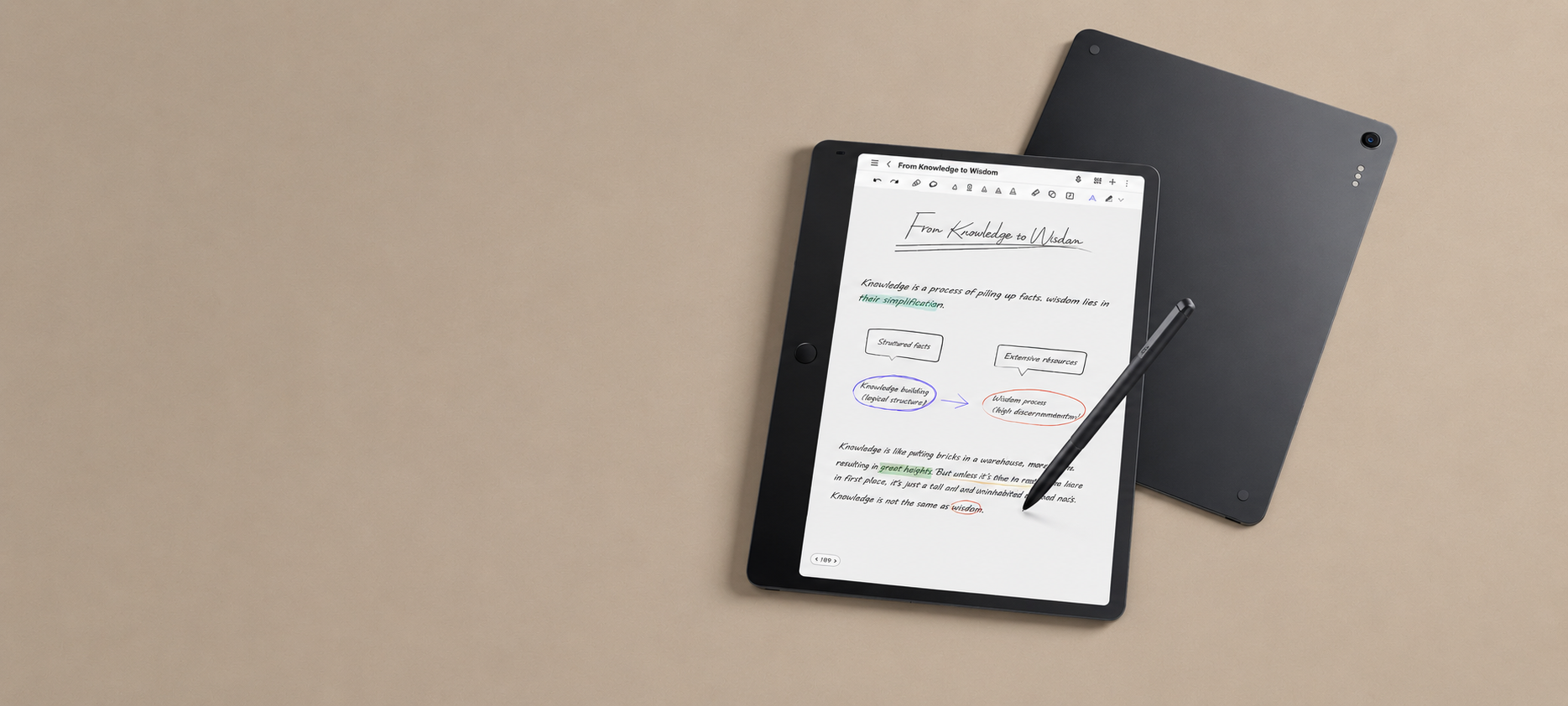
TCL is taking a different approach to the tablet market with the Note A1 Nxtpaper, a device designed to offer the distraction-free writing experience of an E-Ink notebook without giving up the colour, speed and flexibility of a conventional Android tablet.
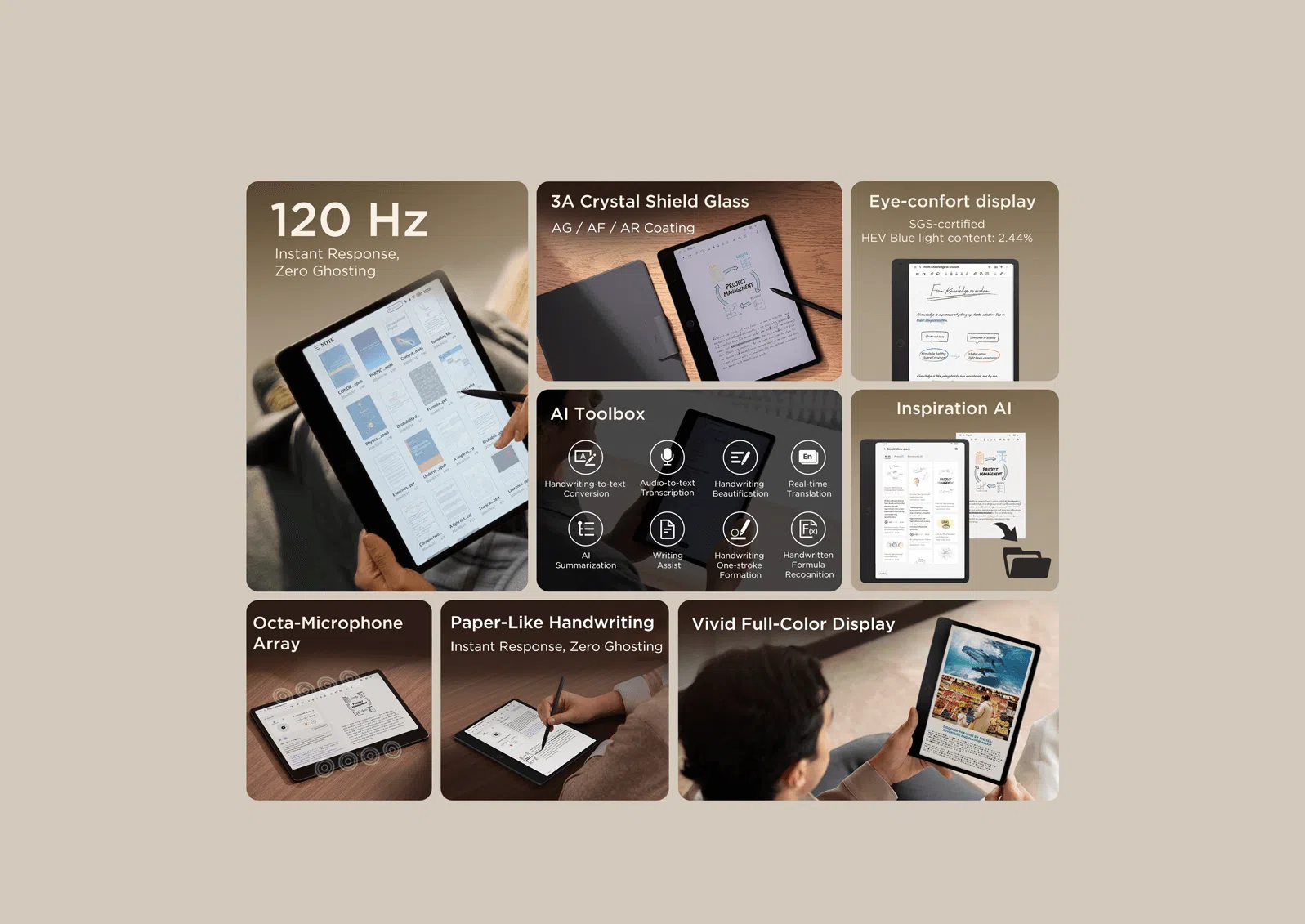
Rather than using E-Ink, the Note A1 features TCL’s low-glare Nxtpaper LCD technology, paired with a 120Hz refresh rate. The display can therefore handle video, websites and regular Android apps more naturally than most dedicated digital notebooks while maintaining a matte, paper-like appearance.
Writing is central to the experience. TCL includes a pressure-sensitive stylus that attaches magnetically to the side of the tablet for charging. Adjustable haptic feedback attempts to recreate the subtle scratching sensation of putting pencil to paper.
The software has also been designed around note-taking rather than presenting users with a conventional Android home screen. Recent notes and calendar information are given prominence, although access to the Google Play Store means owners can still install regular Android applications.
This puts the Note A1 somewhere between devices such as the reMarkable range and a conventional iPad or Android tablet. Its colour LCD and 120Hz refresh rate make it considerably more versatile than an E-Ink device, but that flexibility comes with compromises.
Performance is adequate rather than exceptional. The tablet has 8GB of RAM and can handle typical web browsing and media consumption, although some judder can occur on demanding webpages. The LCD offers wide viewing angles and strong colours, but cannot reproduce the deep blacks associated with OLED displays.
The speakers are also relatively basic, while the absence of physical volume buttons is an unusual omission.
As a digital notebook, the stylus delivers responsive pressure sensitivity and convincing haptic feedback, but the software experience could use further refinement. The minimalist interface offers relatively limited customisation, including restrictions on how notebook collections can be presented.
TCL’s Max Ink Mode is also absent. Available on some other Nxtpaper devices, the monochrome setting is designed to provide a more E-Ink-like reading experience while significantly extending battery life.
Another frustration can occur when writing close to the edge of the display, where Android’s back gesture can accidentally be activated. There is currently no dedicated option to disable the gesture while taking notes.
Battery life is one of the stronger points. An 8,000mAh battery is designed to provide several days of typical use, while an Eye Comfort mode reduces blue light and allows users to adjust the display’s colour temperature.
TCL has also incorporated several AI tools. Pressing a dedicated stylus button allows text and images to be collected within an Inspiration Space, which acts as a central location for notes, screenshots and other saved material.
AI analyses and tags the collected information to make it easier to search later. The tablet can also record and transcribe conversations, allowing users to view a transcript alongside handwritten notes. AI-generated summaries can then identify key points from recordings.
However, the AI experience appears less consistent when analysing combinations of screenshots, handwritten material and transcripts stored inside Inspiration Space, suggesting the software still has room to mature.
The Note A1’s biggest appeal is ultimately its ability to switch between two roles. It provides a more natural digital writing environment than many conventional tablets while retaining access to full-colour Android applications, video and the web.
US pricing is listed at US$549 through TCL, with promotional pricing as low as US$499. That equates to approximately A$760 and A$690 respectively based on current exchange rates, although direct currency conversions do not account for Australian taxes or local pricing.
Australian pricing and availability were not detailed in the information provided.
For buyers primarily interested in apps and entertainment, a conventional tablet is likely to offer better value. Dedicated digital notebook users may also prefer the more focused writing experience of an E-Ink device. The Note A1 instead targets the space between the two, offering a paper-inspired writing experience without requiring users to abandon the capabilities of a regular tablet.