TCL Bets Big On ‘Super Quantum Dot’ And RGB Mini-LED In 2026 TV Push
 Joe Gallop
30 Mar 2026
Joe Gallop
30 Mar 2026
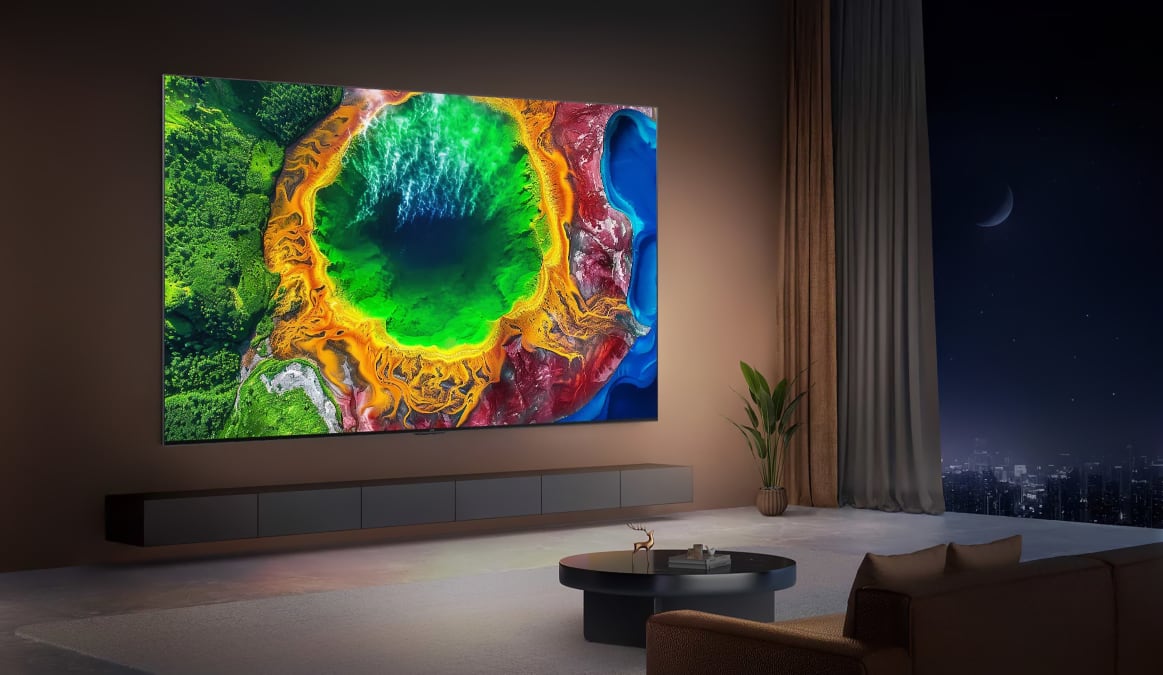
TCL has doubled down on next-generation Mini-LED technology with its proprietary ‘Super Quantum Dot’ (SQD) Mini-LED and a new range of RGB Mini-LED models in its 2026 TV lineup.
The Chinese electronics giant revealed the expanded range following its flagship X11L debut at CES earlier this year, positioning SQD Mini-LED as its premium offering.
The technology is designed to deliver near 100% BT.2020 colour coverage alongside extremely high brightness levels, with TCL claiming up to 10,000 nits on its top-tier models.
SQD Mini-LED will feature across several models, including the C8L (QM8L) and C7L (QM7L), bringing flagship-level colour performance to more accessible price points.
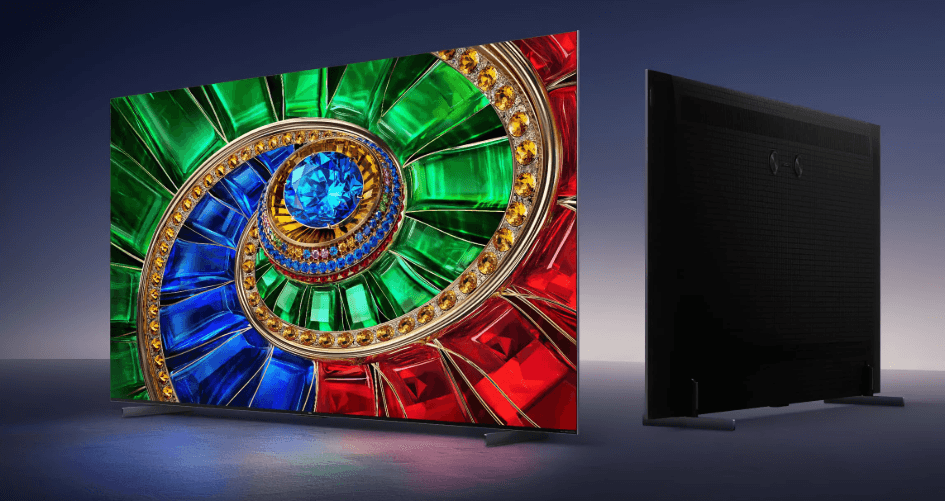
The C8L, expected to be a key volume seller, is rated at up to 6,000 nits and will support Dolby Vision 2 Max via a future firmware update, alongside four HDMI 2.1 ports enabled by MediaTek’s Pentonic 800 chipset.
A step down, the C7L retains the enhanced colour capabilities but drops some premium features, including advanced panel technology and full Dolby Vision 2 support, in favour of a lower price.
Alongside SQD, TCL is entering the RGB Mini-LED space for the first time with its RM series, including the high-end RM9L and more affordable RM7L. These models use individual red, green and blue LEDs for backlighting, a method also being adopted by competitors such as Samsung and Hisense.
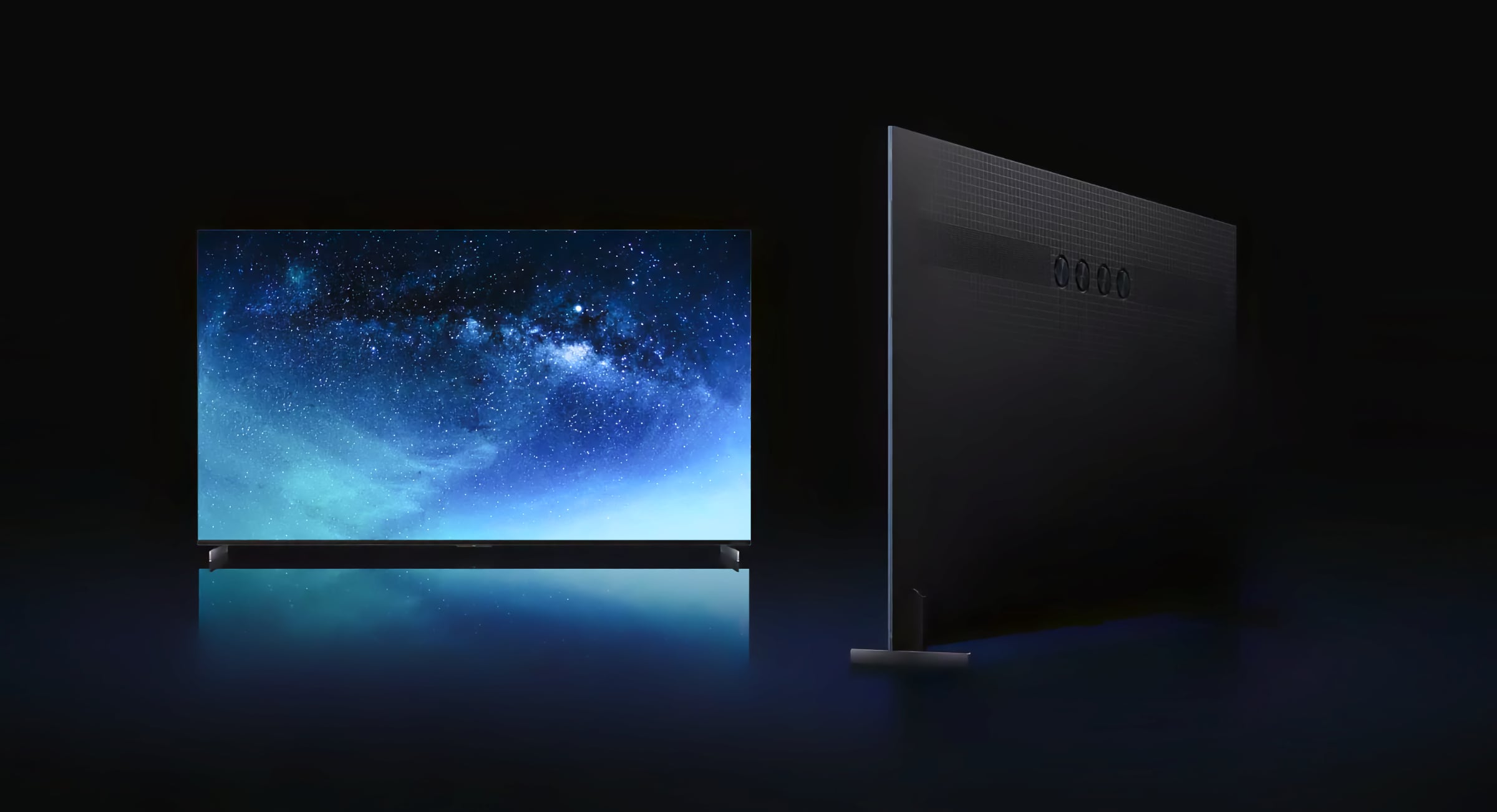
However, TCL is publicly positioning RGB Mini-LED as secondary to its SQD approach, citing superior brightness and comparable colour performance. Notably, the RM series will not support Dolby Vision 2, reinforcing SQD’s flagship status.
The RM7L targets mid-range buyers, offering up to 2,000 nits brightness and full BT.2020 colour coverage, albeit with fewer dimming zones than higher-end models.
TCL is also pushing Mini-LED further down its lineup, bringing the technology to more affordable series such as the P8L, while introducing lifestyle-focused models like the A440 Pro to compete with Samsung’s Frame TV.
The 2026 range is expected to roll out globally from mid-year, with pricing yet to be confirmed.