StereoNET Audio Show Under Pressure As Ticket Prices Slashed 60% Amid Exhibitor Pullouts
 David Richards
16 Oct 2026
David Richards
16 Oct 2026
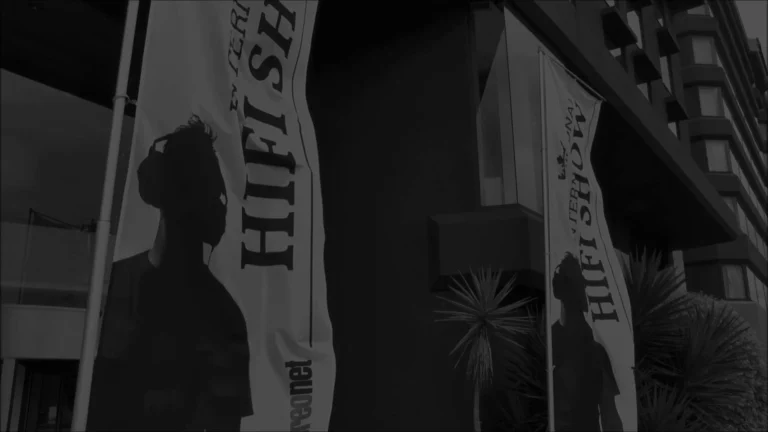
Premium audio brands are hoping wealthy audiophiles, rather than the so-called tyre kickers who have attended previous events, will turn out for this year’s StereoNET Hi-Fi Show in Melbourne, as questions mount over exhibitor withdrawals, falling brand participation and the future of specialist audio exhibitions.
In a move that has raised questions about demand for the event, organisers have slashed admission prices by as much as 60%, cutting single day tickets to just A$10 and offering three day passes for A$25.
The decision comes amid industry concerns over the show’s ability to attract paying visitors, with several prominent audio brands absent from this year’s exhibitor line-up.
Some industry executives have also questioned the lack of advance marketing, claiming there has been insufficient promotion across radio, specialist publications and social media to attract consumers willing to spend thousands of dollars on premium audio equipment.
The concern is that the event could attract enthusiasts more interested in listening to expensive equipment than actually buying it, at a time when exhibitors are being forced to justify the cost of participating.
Event organiser Marc Rushton announced the ticket reductions on 28 August, offering refunds for the difference to consumers who had already purchased tickets at the original price.
The announcement came almost three months after ChannelNews reported that several major audio brands had decided against participating in the 2026 event.
Among the brands missing this year are Yamaha, Loewe and Tivoli, while Yamaha has instead thrown its support behind the rival Sydney audio show operated by Future Media.
Industry insiders have questioned whether the Melbourne event can remain commercially viable unless organisers deliver stronger attendance and, more importantly, consumers prepared to purchase premium audio products.
One industry source suggested this could be the show’s “last” outing if attendance fails to meet expectations, although there has been no announcement from organisers suggesting the event will be discontinued.
The scale of the challenge becomes apparent when comparing the number of brands participating in previous years.
In 2024, the StereoNET event featured more than 200 brands, approximately three dozen exhibitors and more than 60 exhibition spaces.
The 2026 event is promoting more than 150 brands, representing a decline of approximately 25% compared with 2024.
The current exhibitor list identifies around 40 exhibitors, although the number of companies participating is not directly comparable with the number of brands or demonstration spaces
.
The decline in brand representation comes despite claims that the 2025 Melbourne event had doubled in size, with more than 60 hi-fi and home cinema demonstration spaces spread across two levels.
Among the companies supporting this year’s event are Advance Audio, representing brands including Hegel and ARCAM, Amber Technology with NAD, KEF, Krix, Audio Marketing, Epiphany, Harman, Westan, Synergy Audio Visual, Reference Audio Visual and Sound Gallery.
However, several names previously associated with the event are missing from the published 2026 exhibitor information.
Pitt & Giblin and Spectraflora do not appear on the current list, with Spectraflora indicating that it intends to attend the Melbourne Audio Club event in January 2027 instead.
Other names promoted in connection with the 2025 event but not currently listed include Antipodes, DEQX, Lenehan, OAD, Secret Chord and Serhan Swift.
The organisers have cautioned that the published exhibitor list is incomplete, meaning the absence of a company from the preview should not automatically be interpreted as a confirmed withdrawal.
Nevertheless, the changes have prompted questions about whether specialist audio manufacturers and distributors are increasingly reassessing the return on investment from traditional hi-fi exhibitions.
There are also concerns about the cost of attending the Melbourne event for interstate visitors.
Accommodation rates associated with the show’s Melbourne hotel venue appear to have risen significantly, with rates cited at approximately A$407 this year compared with A$190 last year.
Those figures represent an increase of more than 114%, although differences in room availability, booking dates and accommodation packages could account for some of the variation.
The decision to return the event to October has also been questioned on social media.
The 2025 event was held in August, with the earlier scheduling intended to improve attendance and avoid clashes with other industry activities.
Rushton has defended the return to October, arguing that August creates scheduling difficulties because of other audio exhibitions taking place in Australia and overseas.
The debate over ticket prices has also spilled into enthusiast forums, where some consumers questioned why they should pay to attend an exhibition where manufacturers and distributors are effectively trying to sell them products.
For exhibitors, the issue is more complicated.
Premium audio shows can involve substantial expenditure on demonstration equipment, freight, accommodation, staffing and the construction of acoustically suitable listening environments.
Unlike mainstream consumer electronics exhibitions, where manufacturers can demonstrate products to thousands of visitors, specialist audio shows rely heavily on attracting a relatively small audience of enthusiasts with the financial capacity to purchase expensive amplifiers, loudspeakers and home cinema systems.
A large crowd does not necessarily translate into sales, particularly when visitors are primarily interested in comparing equipment rather than making purchases.
UK StereoNET Show Also Faced Problems
The difficulties facing the Australian event follow problems experienced by a StereoNET associated exhibition in Britain.
Sound Media International, publisher of StereoNET UK, acquired the long established UK Audio Show and London Audio Show from Chester Group, with plans to relaunch the event at the Radisson RED Heathrow hotel on 11 and 12 October 2025.
However, the planned 2025 exhibition never took place.
The show’s website subsequently carried a notice stating that the event had been postponed for 2025 and would return bigger in 2026.
The relaunched event attracted approximately 30 brands, according to the figures cited, considerably fewer than those represented at Britain’s established Bristol Hi-Fi Show.
The Bristol event, operated by Future Publishing, has developed a strong following among British audio enthusiasts, with visitors queuing to enter and manufacturers using the exhibition to showcase new premium equipment.
StereoNET positioned its UK exhibition as the final commercial hi-fi show of 2026, following the Bristol event.
However, while Bristol was attracting paying visitors, organisers of the UK StereoNET event were distributing complimentary tickets in an effort to attract attendance.
The contrasting approaches highlight the commercial difficulties facing smaller audio exhibitions as manufacturers and distributors become more selective about where they allocate marketing budgets.
In Australia, those pressures are particularly significant because the market for premium hi-fi equipment is relatively small and brands must decide whether exhibition spending delivers better returns than specialist retail demonstrations, dealer events or direct marketing to established customers.
The absence of several recognised brands from the Melbourne event also raises questions about whether audio exhibitions are becoming increasingly dependent on a core group of distributors rather than broad industry participation.
While the 2026 StereoNET show still has backing from established audio companies, the reduction from more than 200 brands in 2024 to approximately 150 this year is a significant change.
For organisers, the immediate challenge is turning cheaper admission prices into stronger attendance without undermining the commercial value of the event for exhibitors.
For manufacturers, the bigger question is whether the people walking through the doors are genuine buyers or simply enthusiasts looking for an opportunity to listen to equipment they have no intention of purchasing.
With ticket prices slashed, prominent brands absent and competing exhibitions fighting for the same limited audience, the 2026 StereoNET Melbourne show is shaping up as an important test of the commercial future of specialist audio exhibitions in Australia.
And with some industry executives openly questioning the long term viability of the format, organisers will need more than a busy exhibition floor to demonstrate that the show still delivers value to the companies paying to participate.