Sony Finally Rolls Out True RGB LED TV Range As TV War Intensifies
 David Richards
28 May 2026
David Richards
28 May 2026
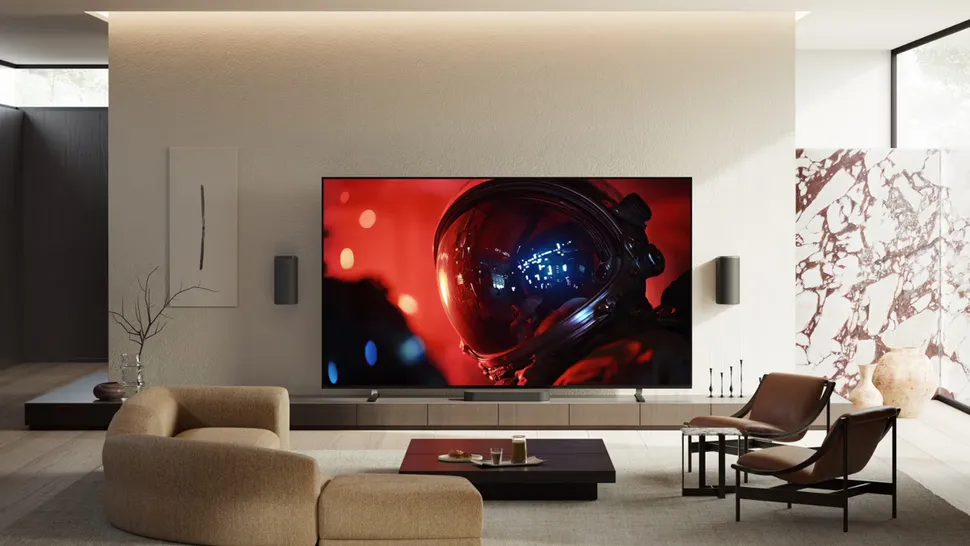
Sony has fired a major shot in the escalating Australian TV technology war, unveiling a new generation of RGB LED televisions that the Japanese electronics giant believes can revive its presence in the premium TV market and challenge rivals Samsung, TCL, Hisense and LG who are all struggling to hold onto TV market share.
After years of declining visibility in the mainstream television market in Australia Sony is preparing an aggressive comeback with the launch of two new RGB LED models, the BRAVIA 9 II and BRAVIA 7 II, powered by the company’s proprietary “True RGB” display technology.
The launch marks Sony’s biggest television technology push in years and signals a strategic partnership with Chinese manufacturing giant TCL that is expected to dramatically expand Sony’s RGB LED lineup in 2027.
Industry analysts are already describing RGB LED as the next major battleground in premium televisions, as manufacturers scramble to find an alternative to OLED technology amid slowing TV sales globally and mounting pressure on margins.
Sony first demonstrated its True RGB technology at IFA 2026 in Berlin, where the display system drew strong attention for its brightness, colour accuracy and black level performance,Iwasimpressedbutwantedtoseethefinalproductiononsaleversion. 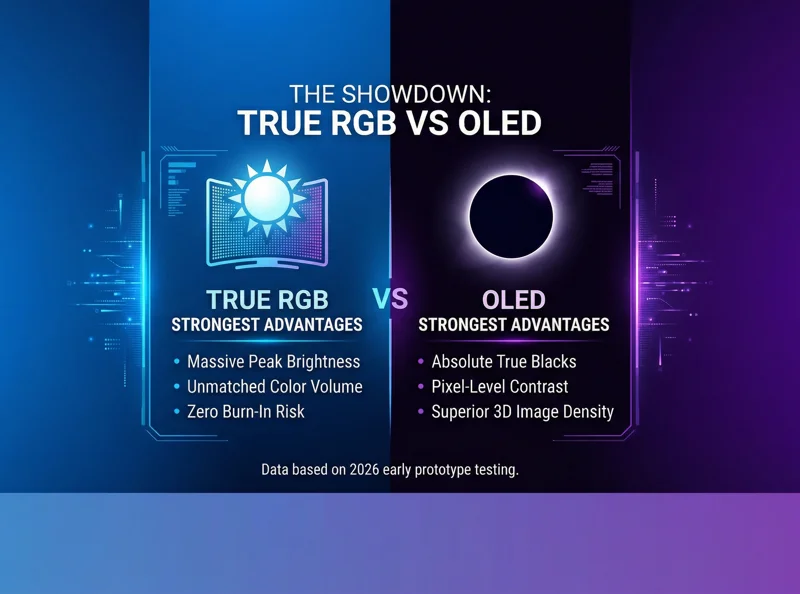
Unlike conventional LCD TVs that rely on white backlights filtered through colour layers, Sony’s new RGB LED system uses independently controlled red, green and blue LEDs to generate colour directly at the source.
Sony claims the result is the largest colour volume ever achieved in the company’s television history.
At the centre of the new televisions is Sony’s proprietary RGB Backlight Master Drive Pro engine, which independently controls each red, green and blue LED to deliver greater colour purity, higher brightness and more accurate HDR performance.
The technology also gives Sony significantly tighter control over local dimming and colour reproduction than traditional Mini LED systems.
The move comes as Samsung, TCL and Hisense all race to commercialise RGB LED technology in an effort to counter slowing TV demand and increasing competition from OLED displays dominated by LG.
Sony executives argue that many competing RGB LED systems still rely on shared lighting structures or fail to independently control each colour channel, limiting their ability to reproduce accurate colour and contrast.
Sony’s “True RGB” branding is aimed directly at differentiating its system from those rivals.
The company’s flagship BRAVIA 9 II range will launch in 65 inch, 75 inch, 85 inch and an enormous 115 inch version, with Sony positioning the display as its most advanced consumer television to date.
The BRAVIA 9 II features a VA LCD panel with wider viewing angles, a matte anti reflection screen coating and Sony’s new “Immersive Black Screen Pro” technology, designed to maintain deep blacks and fine shadow detail even in brightly lit living rooms.
Sony claims the display delivers colour reproduction closer to the BT.2020 colour space, the benchmark used in modern HDR standards including Dolby Vision and HDR10+.
The more affordable BRAVIA 7 II range will be offered in sizes from 50 inches through to 98 inches and uses a scaled down version of the same True RGB technology.
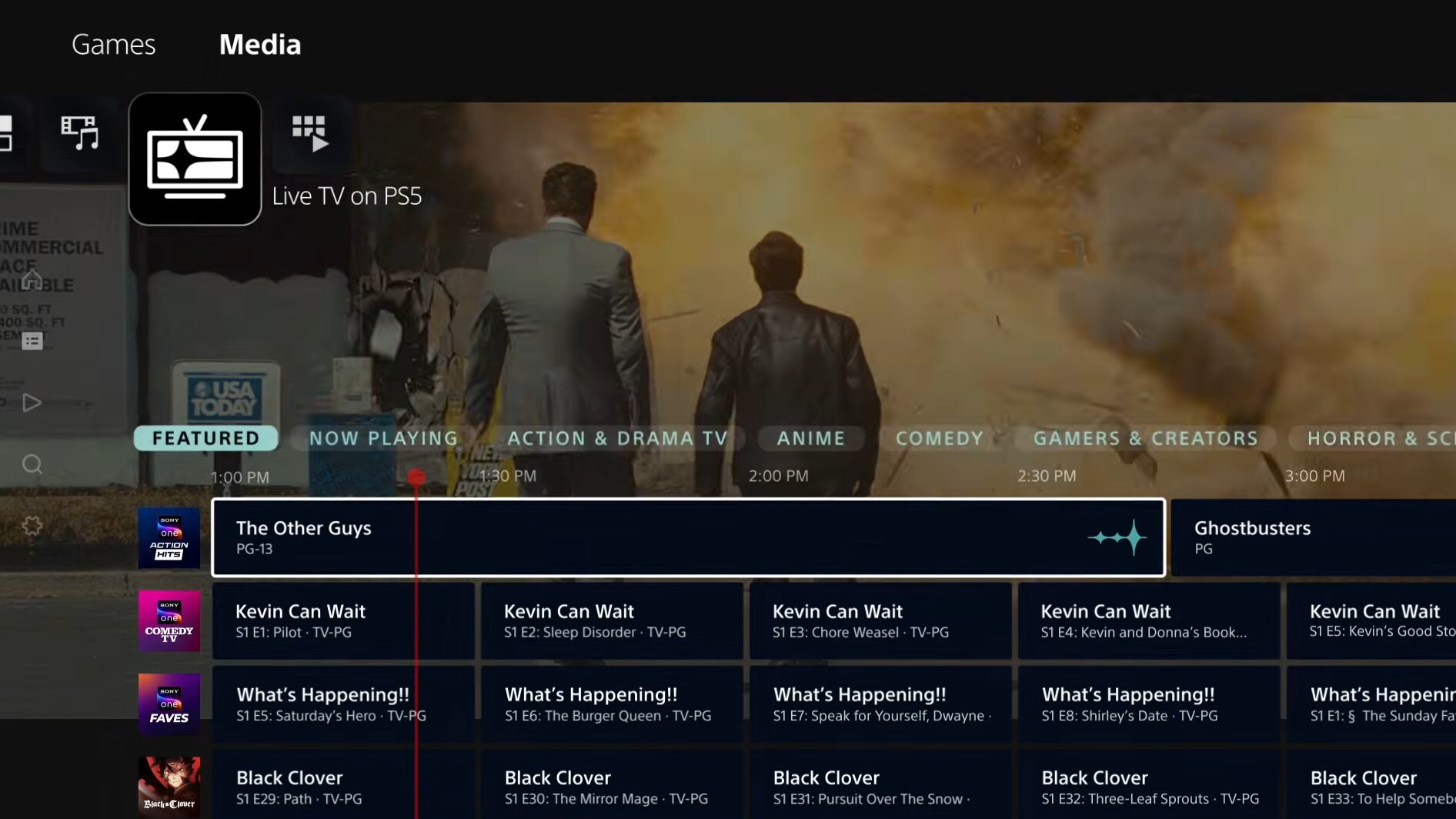
Both models feature Google TV, HDMI 2.1 connectivity, Dolby Vision, Dolby Atmos, DTS:X, IMAX Enhanced support and Sony’s gaming features for PlayStation 5 users.
Sony has also upgraded audio performance across the lineup with Acoustic Multi Audio+, Voice Zoom 3 and new rechargeable backlit remotes.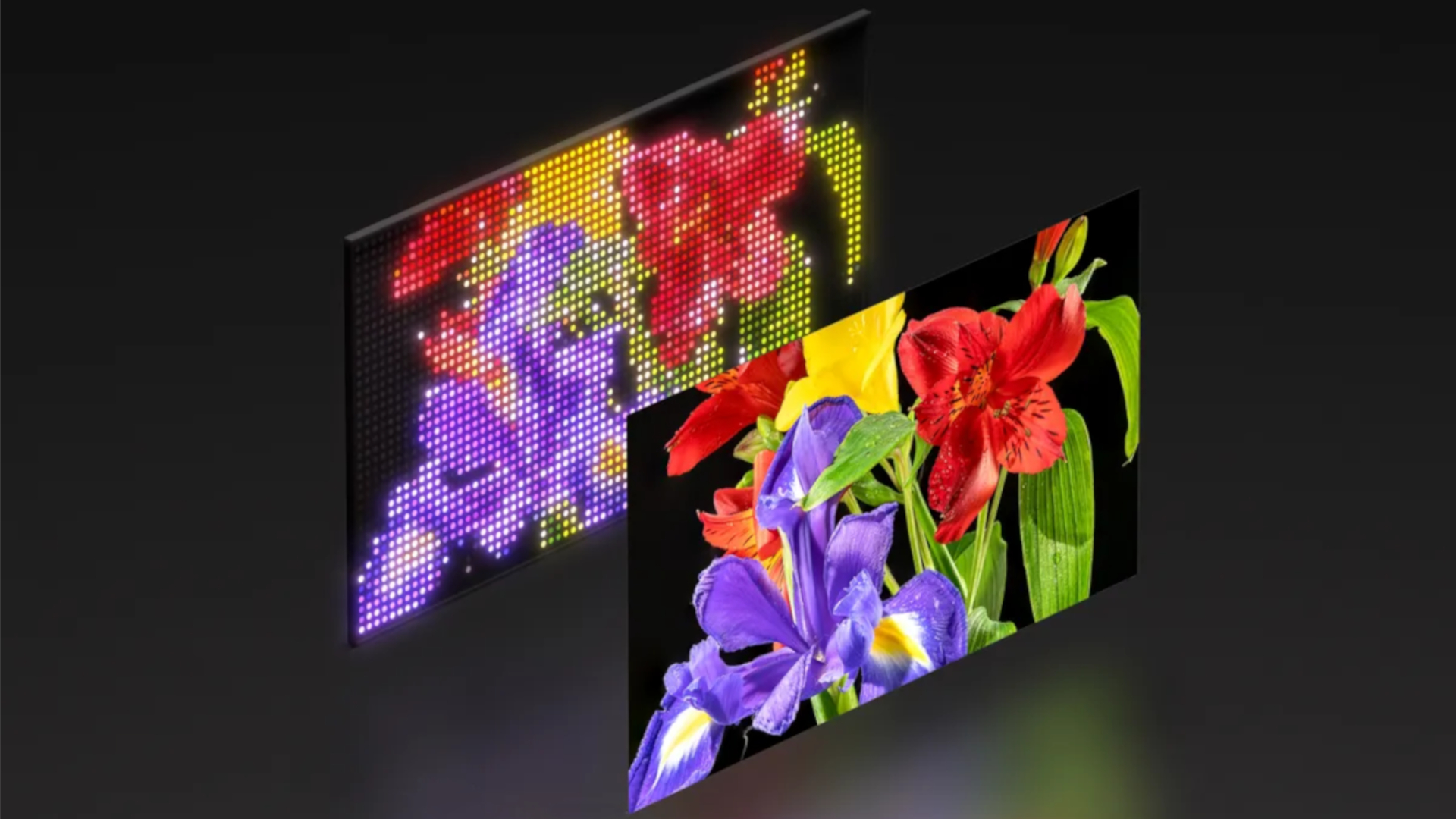
While Sony is presenting True RGB as a next generation breakthrough, the company actually pioneered RGB backlighting technology more than two decades ago with an LCD television launched in 2004. However, those earlier systems lacked individually controlled RGB LEDs and local dimming capabilities.
Pricing for the new lineup positions Sony firmly at the premium end of the market.
The flagship 115 inch BRAVIA 9 II will retail in Australia for $44,999 when it launches in September, while the 65 inch model starts at $5,999 from July.
The BRAVIA 7 II series starts at $2,699 for the 50 inch model, with the massive 98 inch version priced at $12,999.
The launch comes at a critical time for the global TV industry, with manufacturers under pressure to reignite consumer demand through new display technologies as OLED growth slows and traditional LCD sales weaken.
Sony is betting that RGB LED could become the next major evolution in premium television, and potentially the technology that restores the brand’s dominance in high end home entertainment.