Sennheiser Consumer Business in Limbo as Sale Efforts Stall Amid Market Turmoil
 David Richards
23 Apr 2026
David Richards
23 Apr 2026
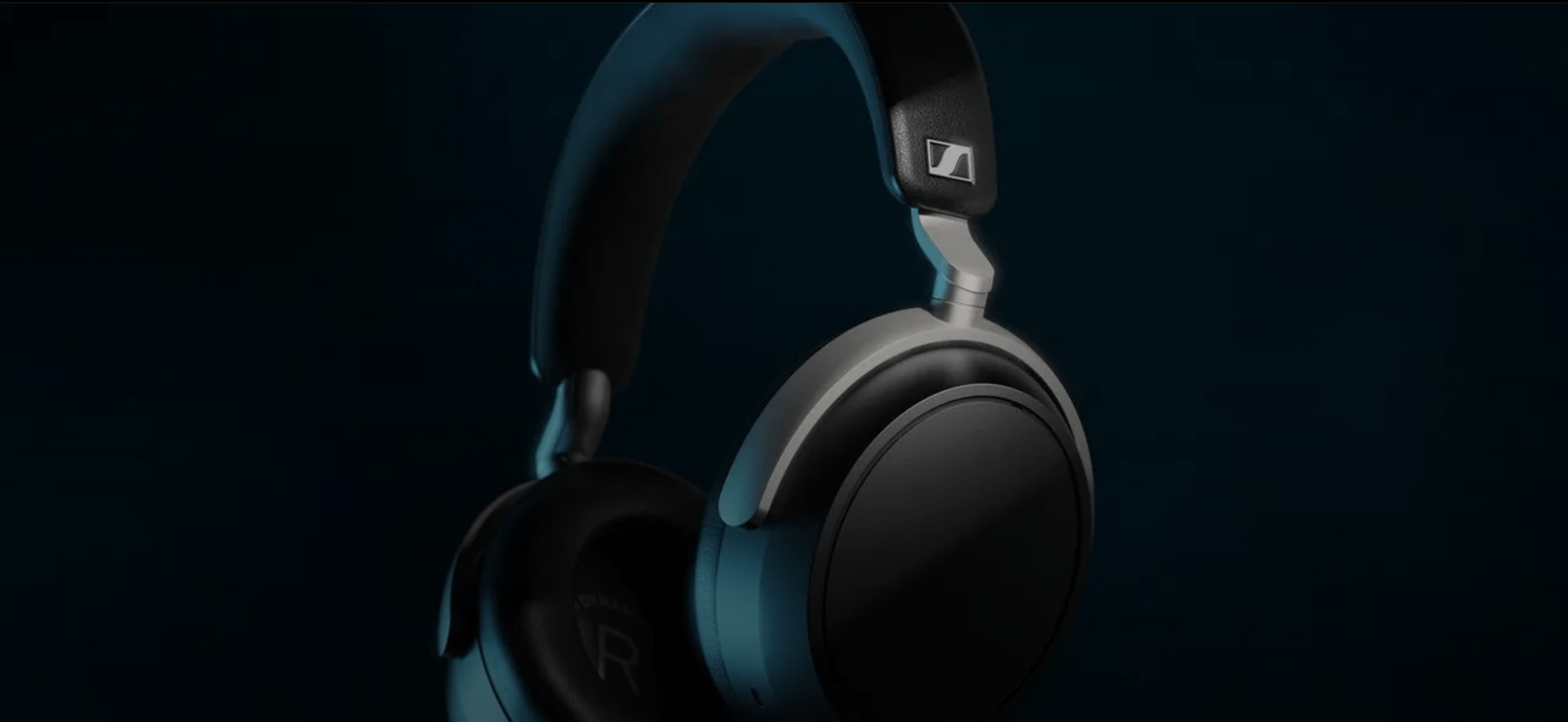
Serious questions are emerging over the future of Sennheiser’s consumer audio division, as owner Sonova struggles to secure a buyer willing to meet its expectations—raising the prospect of a drawn-out or troubled exit from the competitive headphone market.
The Swiss hearing-aid giant, which acquired the business in 2022 for $327 million, formally put the division up for sale in March 2026, classifying it as “held for sale” and a “discontinued operation.” The move signaled a sharp strategic reversal just four years after Sonova entered the consumer electronics space.
However, industry sources now say the company is failing to attract offers that would deliver a meaningful return on its investment. Potential buyers are reportedly wary, with worsening global market conditions—exacerbated by ongoing conflict in the Middle East—making firms reluctant to take on additional consumer brands.
The stalled sale highlights what analysts are increasingly calling a fundamental strategic misstep.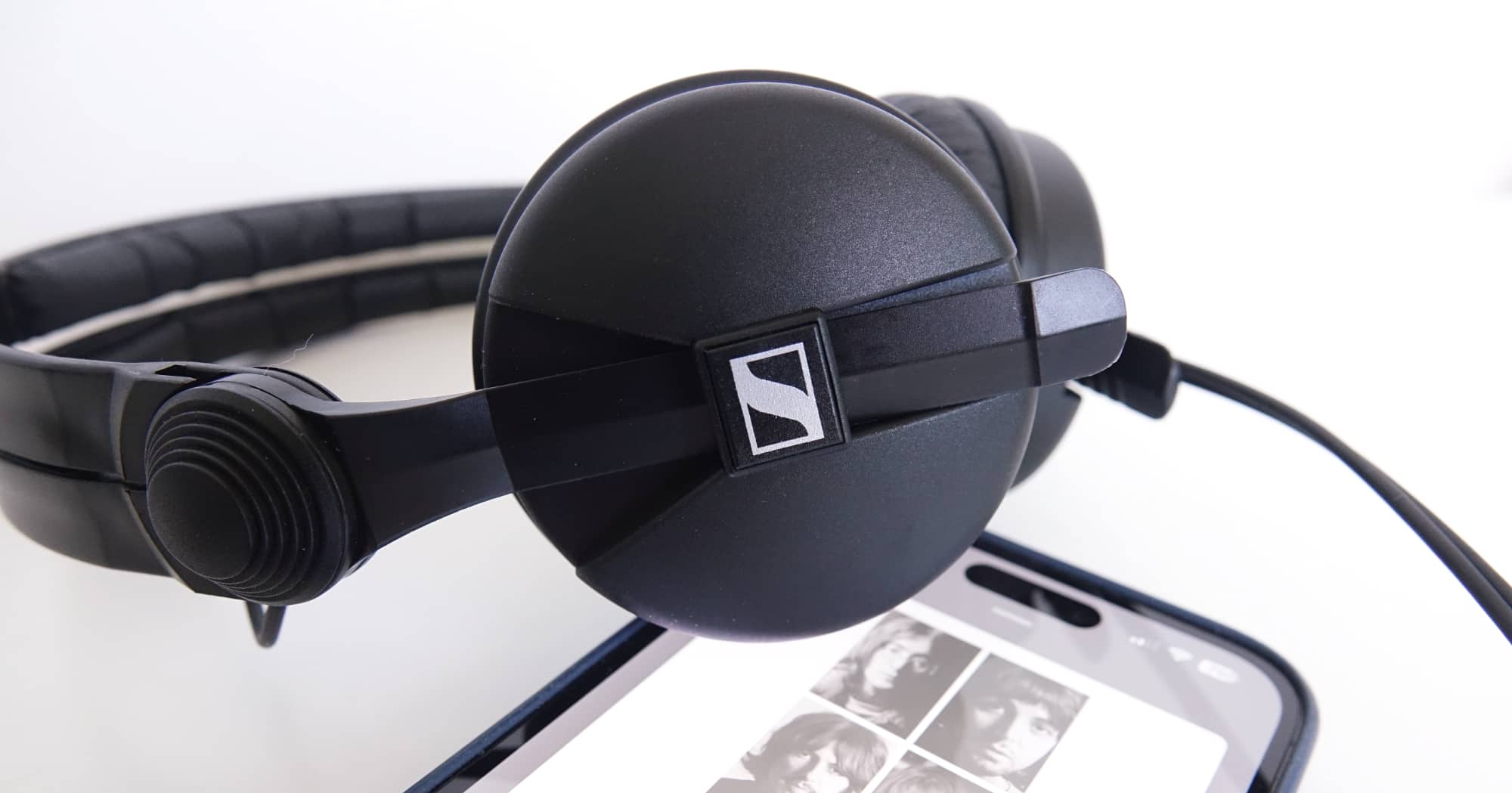
A Deal That Looked Right—But Failed in Practice
At the time of the acquisition, the deal appeared logical: Sonova would combine its expertise in hearing technology with a premium audio brand. But in reality, the move has struggled to deliver.
Consumer audio accounts for just 6% of Sonova’s total sales and is believed to be shrinking, with Sennheiser losing ground to rivals including Sony, Bose, Bowers & Wilkins, Focal, and Loewe.
“The dynamics are completely different,” said one industry observer. “Medical devices and consumer electronics operate on entirely separate playbooks—from R&D cycles to distribution channels and margins.”
The experience mirrors that of U.S.-based Masimo, which acquired Sound United only to divest it years later to Samsung-owned Harman International after failing to integrate the business.
Brand Complications and Uncertain Buyers
Complicating any potential deal is the structure of the Sennheiser brand itself. While Sonova owns the consumer division, the Sennheiser name remains licensed from the founding family, which retained control of the professional audio business.
Insiders suggest that any sale could be hindered by licensing constraints, including potential demands from the Sennheiser family for full-term payment of the brand agreement. Questions also remain over whether the brand could be transferred to a new owner—particularly a Chinese buyer—adding further uncertainty to negotiations.
“The sale is not straightforward,” one source said. “It’s complicated, and that’s putting off bidders.”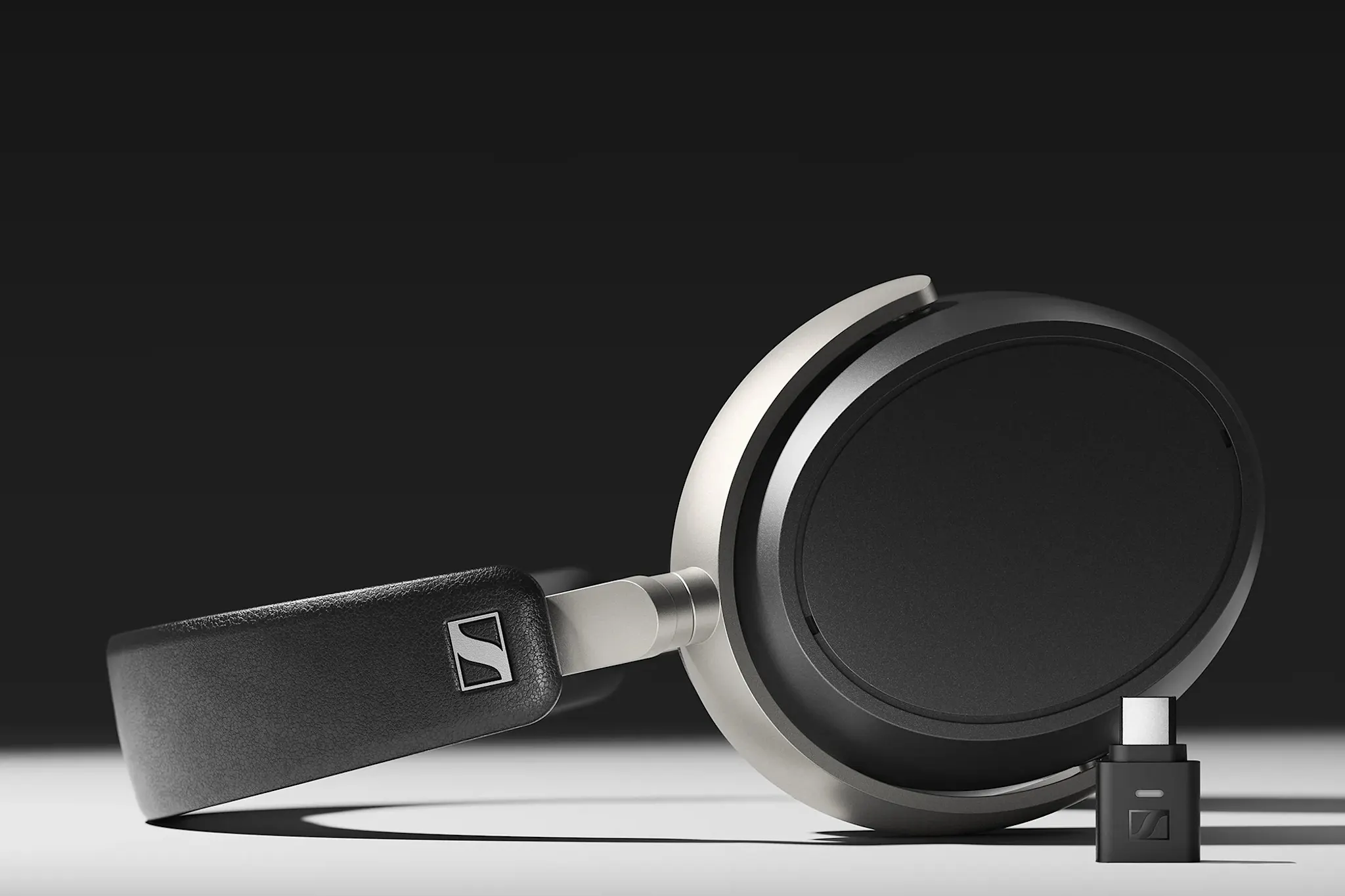
Final Products—or a Last Hurrah?
Despite the uncertainty, the division continues to release new products globally, including two new choices joining the market from Sennheiser, who released the CX 80U wired earbuds and HD 400U wired over-ear headphones.
But some observers believe these releases may represent the final wave of products under Sonova’s ownership, amid concerns that investment in future development is being scaled back.
Critics argue that the consumer division has already suffered from a loss of the engineering depth and R&D culture that defined Sennheiser under family control. Manufacturing has also shifted to China, further fueling claims that the brand has lost touch with its audiophile roots.
A Strategic Retreat
For Sonova, the decision to exit appears increasingly framed as a necessary retreat rather than a failure. Official messaging has focused on “finding the right owner,” suggesting a preference for a clean sale rather than winding down the business entirely.
But behind the scenes, analysts say the reality is more stark.
“This wasn’t just execution,” one analyst noted. “It was a strategic mismatch from the start.”
With consolidation sweeping the global audio industry and major players snapping up smaller brands, the fate of Sennheiser’s consumer arm now hangs in the balance—caught between a shrinking market position, complex ownership structures, and a parent company eager to refocus on its core healthcare business.
For now, one thing is clear: what was once one of audio’s most respected consumer brands faces an uncertain and increasingly fragile future.