Samsung War With Chinese OLED Panel Maker Intensifies Apple & Fold Supply Threatened
 David Richards
22 Jul 2025
David Richards
22 Jul 2025
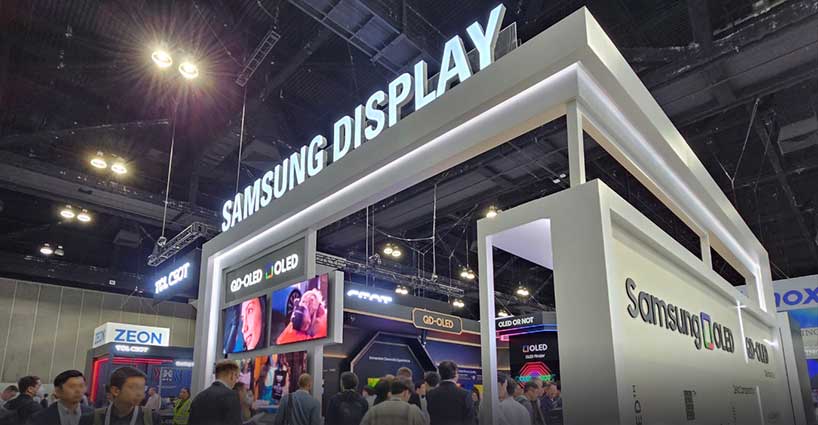
The ongoing rivalry between South Korea’s Samsung Display and China’s BOE Technology Group has intensified, with BOE filing another patent infringement lawsuit in the U.S., accusing Samsung of unauthorized use of its OLED technologies in smartphones, monitors, and next-gen laptops. The dispute could disrupt the supply of OLED panels for future iPhones and Samsung’s flagship devices.
In its second lawsuit in two months, BOE alleges that Samsung Display infringed on proprietary OLED designs, filing the complaint in the U.S. District Court for the Eastern District of Texas. The patents in question relate to encapsulation films, pixel-driving circuits, display circuitry, and under-display camera tech—technology reportedly used in Samsung’s Galaxy Z Fold5, Fold6, and S25 Ultra.
BOE is seeking triple damages for willful infringement and has requested a ban on the import and sale of these Samsung products.
The lawsuit comes on the heels of a preliminary ruling by the U.S. International Trade Commission (ITC), which found in early July that BOE and seven of its subsidiaries misappropriated Samsung Display’s OLED trade secrets. The ITC recommended an import ban on BOE OLED panels and a halt to sales of existing stock. A final decision is expected by November 2025, followed by a 60-day presidential review. Historically, such rulings are rarely overturned.
The legal fight poses a significant threat to Apple’s supply chain. BOE currently provides around 20% of the OLED panels used in Apple’s iPhone 16 series, with the capacity to produce up to 100 million panels annually at its Sichuan (B11) facility. Analysts warn that if injunctions or licensing conflicts escalate, Apple could face production delays and higher component costs.
“Apple relies heavily on Samsung for OLED supply. If legal barriers slow down production or shipments, iPhone rollout schedules could be affected,” DigiTimes analysts noted.
Although Apple is not a party to the litigation, it has acknowledged the dispute and stated the current proceedings will have “no impact on any Apple products.” However, the company is reportedly preparing contingency plans to shift OLED orders to Samsung or LG Display if needed—moves that could increase costs, as BOE panels are generally cheaper than those of South Korean suppliers.
Samsung, meanwhile, has fought back through various legal avenues. It has previously accused Chinese competitors of intellectual property theft and even alleged attempts to bribe its employees for trade secrets. Samsung has also successfully invalidated some BOE patents via the U.S. Patent Trial and Appeal Board.
The two companies have been locked in patent disputes since 2003, with Samsung filing the current trade secret case with the ITC in October 2023. BOE’s latest countersuit, filed on July 15, 2025, is seen as a tactical move to gain leverage as it faces potential exclusion from the U.S. market.
Analysts at Display Daily suggest that if the ITC’s trade-secret ruling is upheld, BOE’s ability to supply OLED panels to U.S. companies like Apple could be severely limited—consolidating Samsung and LG Display’s dominance in the sector.
However, BOE’s aggressive legal counteroffensive could also place Samsung’s smartphone sales at risk, particularly for its premium devices. The high-stakes litigation now stretches across borders and threatens to reshape the global OLED supply chain.
At the heart of the dispute is not only patent infringement but control over a multibillion-dollar OLED ecosystem. Whether BOE’s strategy allows it to retain influence in the U.S. market—or forces a retreat—will likely be decided in courtrooms over the coming year.