Samsung Smart Glasses Details Revealed Including Eye-Level Camera System
 April Ossington
09 Mar 2026
April Ossington
09 Mar 2026
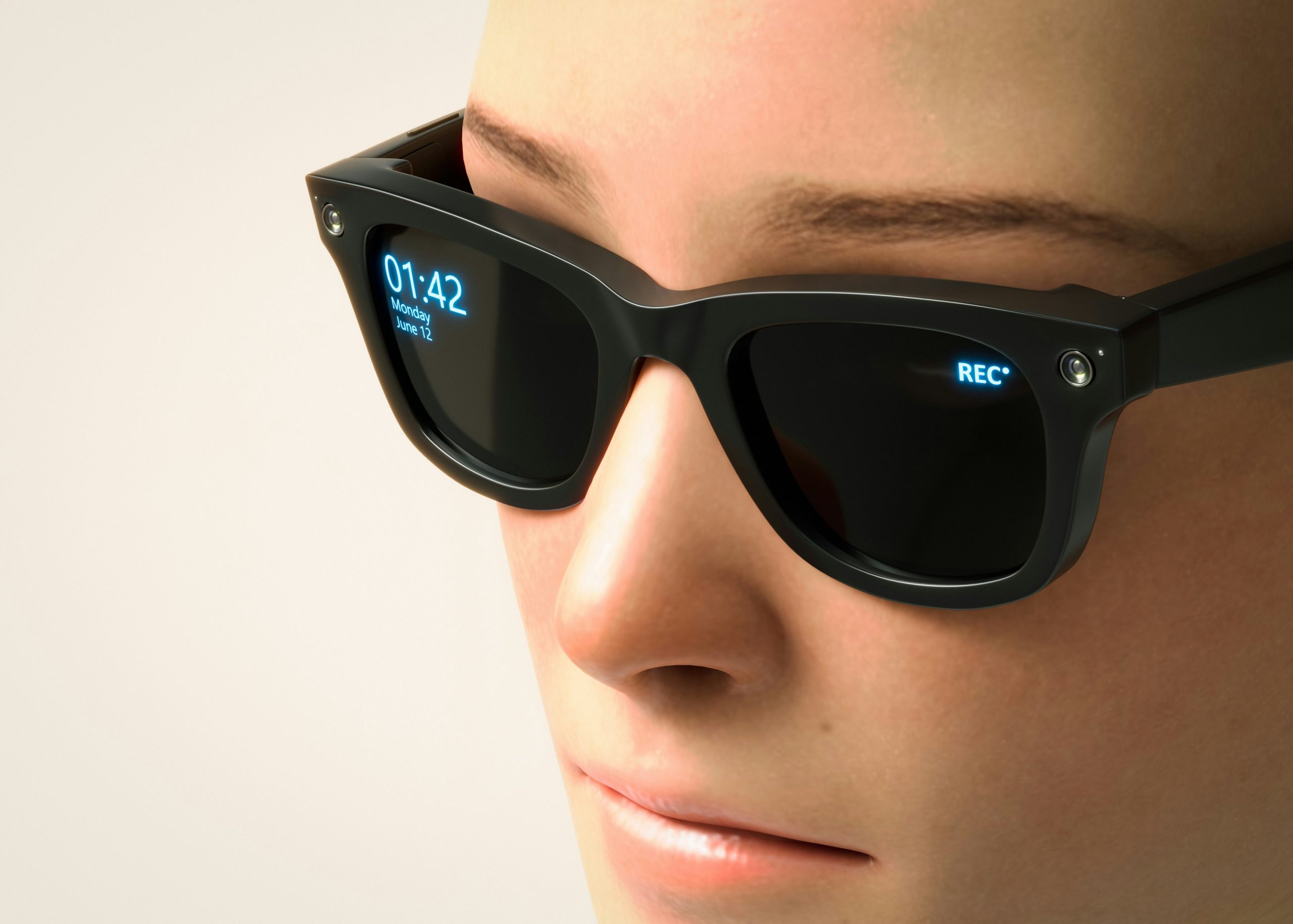
Samsung has been developing a pair of smart glasses behind the scenes since 2023, and a few new details have now surfaced following comments from the company at Mobile World Congress 2026 in Barcelona. During the event, Samsung executive vice president Jay Kim shared limited information with CNBC about the project, offering a clearer picture of what the company is preparing without revealing every detail.
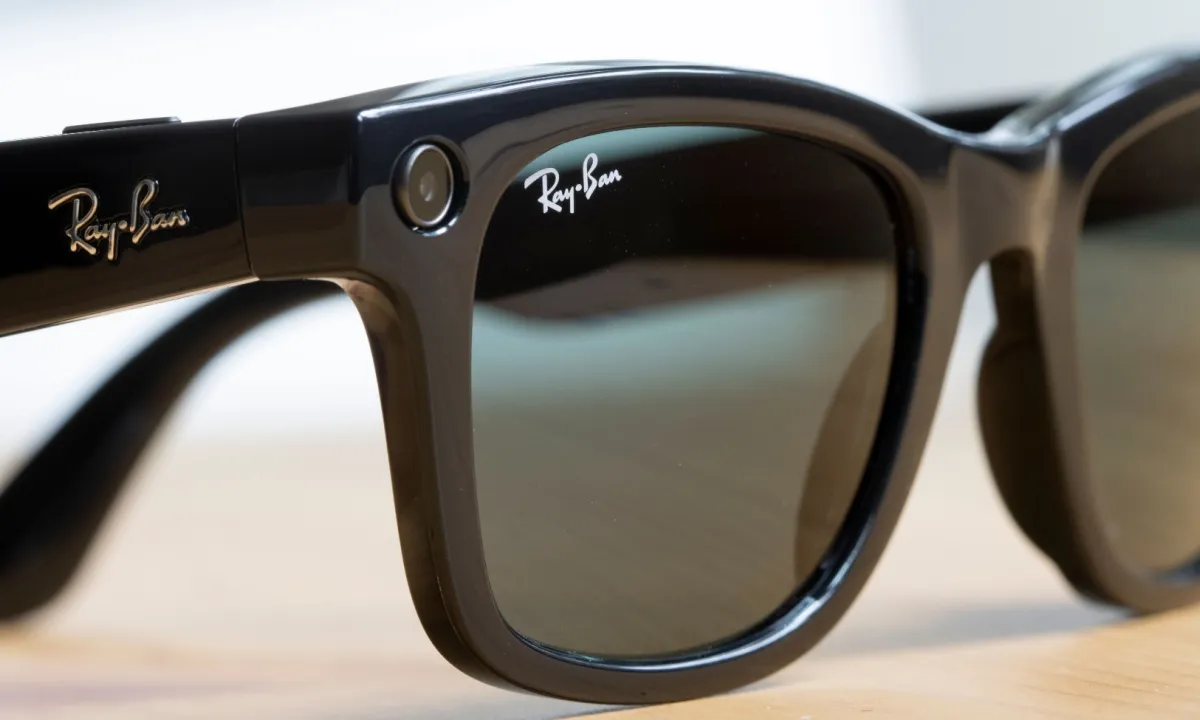
One feature that has been confirmed is a camera positioned at eye level. This camera captures what the wearer is looking at and sends the visual feed to a connected Galaxy smartphone. The phone performs the heavy processing and returns relevant information to the glasses. In effect, the glasses act as the user’s eyes while the smartphone functions as the processing hub.
This design allows Samsung to keep the glasses lightweight while still enabling more advanced capabilities. The strategy closely mirrors the approach used by Meta with its Ray-Ban smart glasses, which currently control a large share of the smart glasses market. By relying on a smartphone for processing power, manufacturers can avoid cramming too much hardware into the frame.
Kim avoided confirming whether the glasses will include a built-in display. When questioned directly, he pointed out that Samsung already offers screens on its smartphones and smartwatches, suggesting users may rely on those devices when a display is needed. While not an outright denial, the response strongly implies that the first version of the glasses may not include an integrated screen.
Another report indicates that a version with an internal display could arrive later, potentially in 2027. If that timeline proves accurate, the initial model would focus primarily on camera-based input and artificial intelligence features rather than visual overlays.
Samsung’s broader vision centres on using AI to interpret the environment around the user. The company is exploring features that would allow the glasses to translate a restaurant menu when you look at it, identify landmarks and explain their history, or quietly assist with everyday tasks. These could include sending messages, making bookings or providing navigation prompts without requiring the user to pull out their phone.
To support these capabilities, Samsung has been working with Qualcomm and Google since 2023 to develop the required chips and software platform.
In terms of timing, Kim suggested that Samsung hopes to introduce the technology to industry partners during 2026. Qualcomm chief executive Cristiano Amon made similar comments at the same event, reinforcing expectations that the glasses could arrive within the year. A precise release date has not yet been announced, but the amount of information shared at MWC suggests Samsung may not be far from revealing more.