Samsung Raids Its 2027 Chip Stockpile To Simply Meet 2026 Demand For Fold 8 Ahead Of Apple Foldable Launch
 David Richards
02 Sep 2026
David Richards
02 Sep 2026
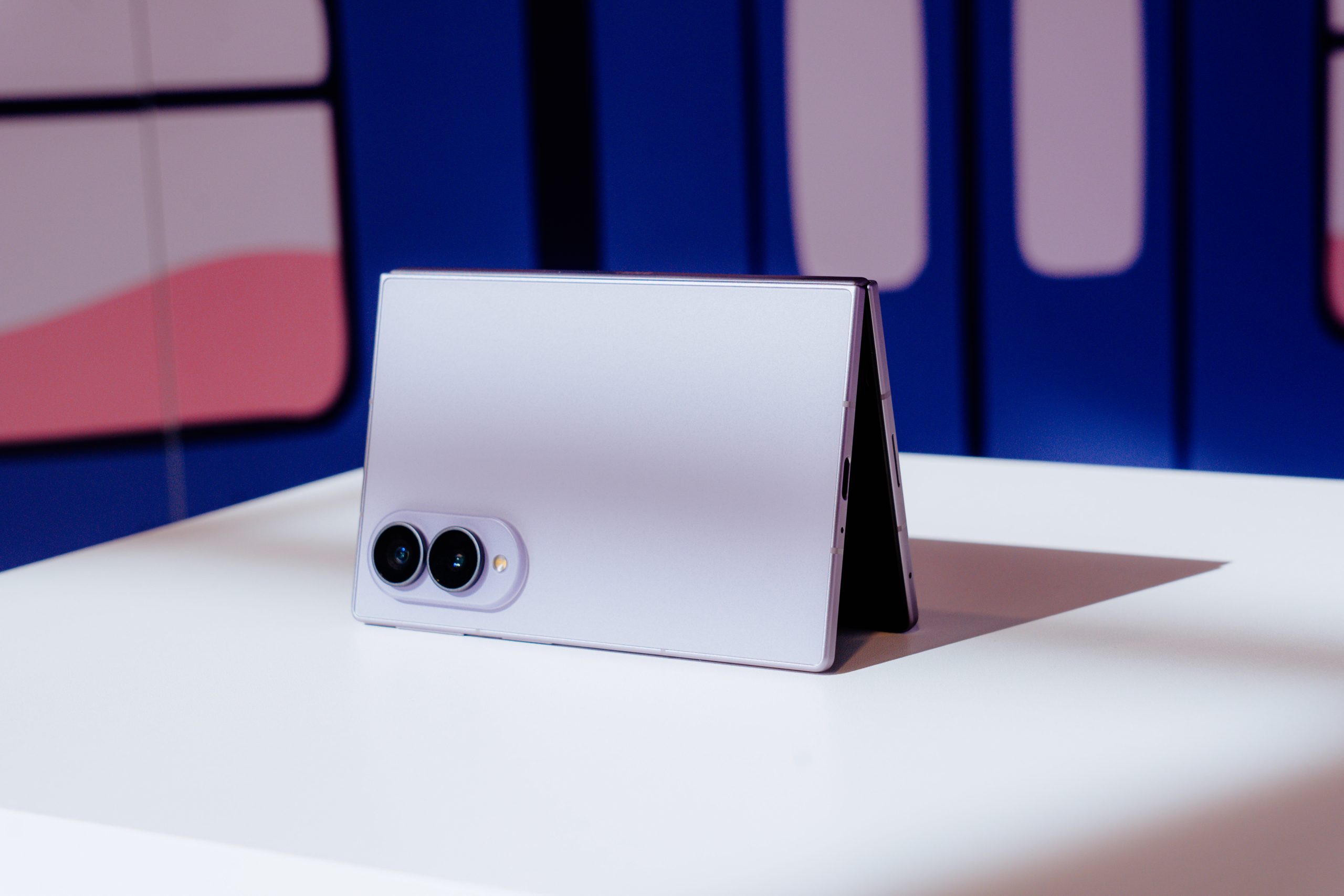
Samsung Electronics is burning through component allocations earmarked for its 2027 smartphone lineup to keep the Galaxy Z Fold 8 on shelves, a decision that lays bare the potential future design for smartphones as the Companies new Fold 8 exceeds all sales expectations.
Australian sales of the new range have risen more than 20% against the previous generation since the mid-August launch, according to sources, with the passport-style Fold 8 doing the heavy lifting. Internally, the numbers have reportedly shattered forecasts. Externally, they have created a problem Samsung cannot buy its way out of.
The bottleneck is a chip almost nobody talks about
The choke point is not memory, not the panel and not the processor.
It is the Display Driver IC, the controller that manages traffic between the display panel and the chipset.
DDIs are not commodity silicon. They are engineered for a single display configuration, which means there is no substituting a part from another model and no spot market to raid when volumes run hot. The Fold 8 controller was designed in-house by Samsung’s System LSI division and is fabricated by Taiwanese foundry UMC on a 22-nanometre process.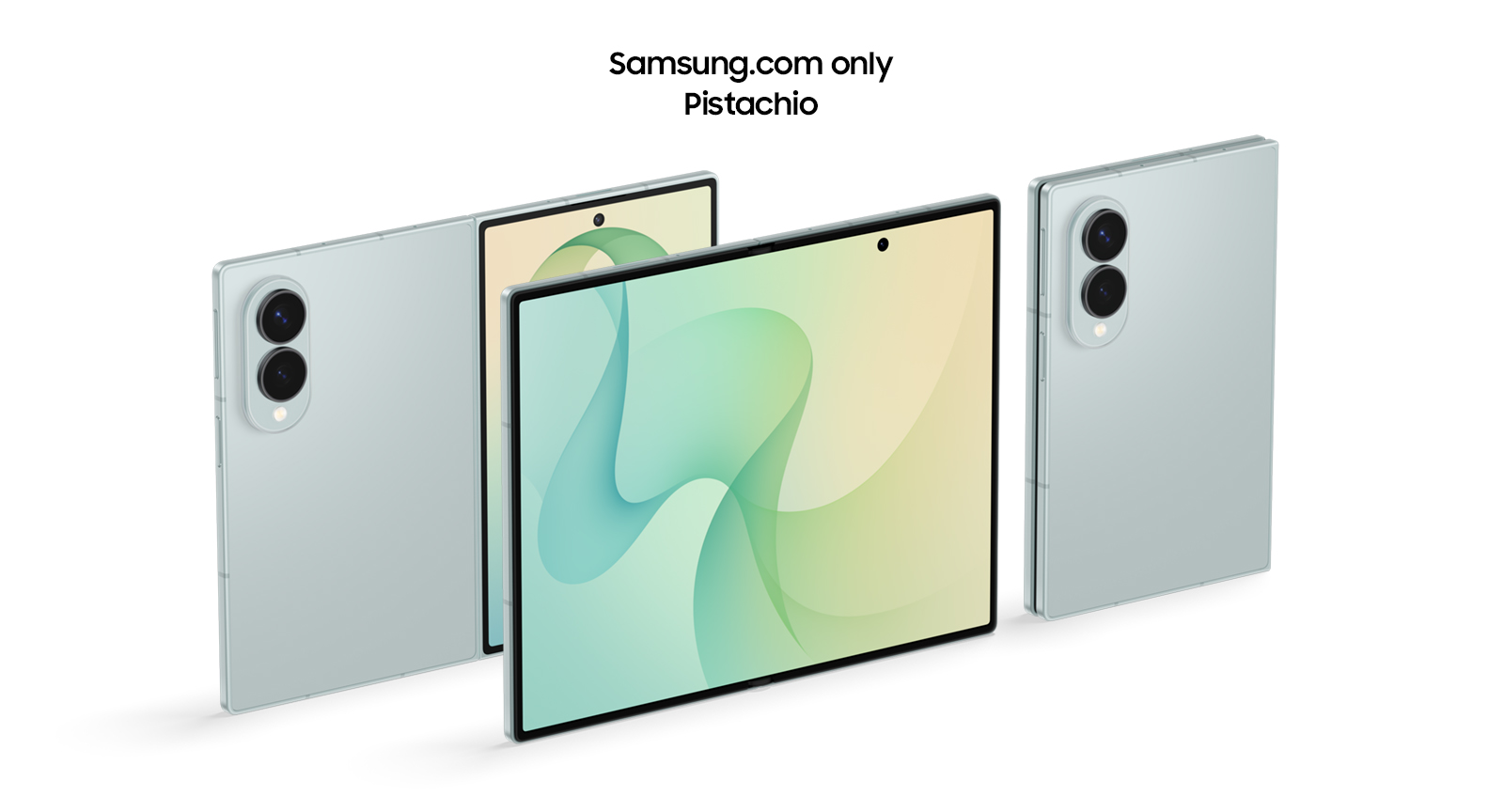
That is where it came unstuck.
UMC’s 22nm capacity is understood to be fully committed to existing customers, and the foundry knocked back Samsung’s request for an expedited priority order.
With standard wafer processing running to months rather than weeks, Samsung had no realistic option beyond cannibalising the DDI volume it had reserved for next year’s handsets.
A supplier refusing a priority order from Samsung is the single most revealing detail in this story.
Samsung is not a marginal customer at any foundry, and being told no says the queue ahead of it is both long and commercially untouchable.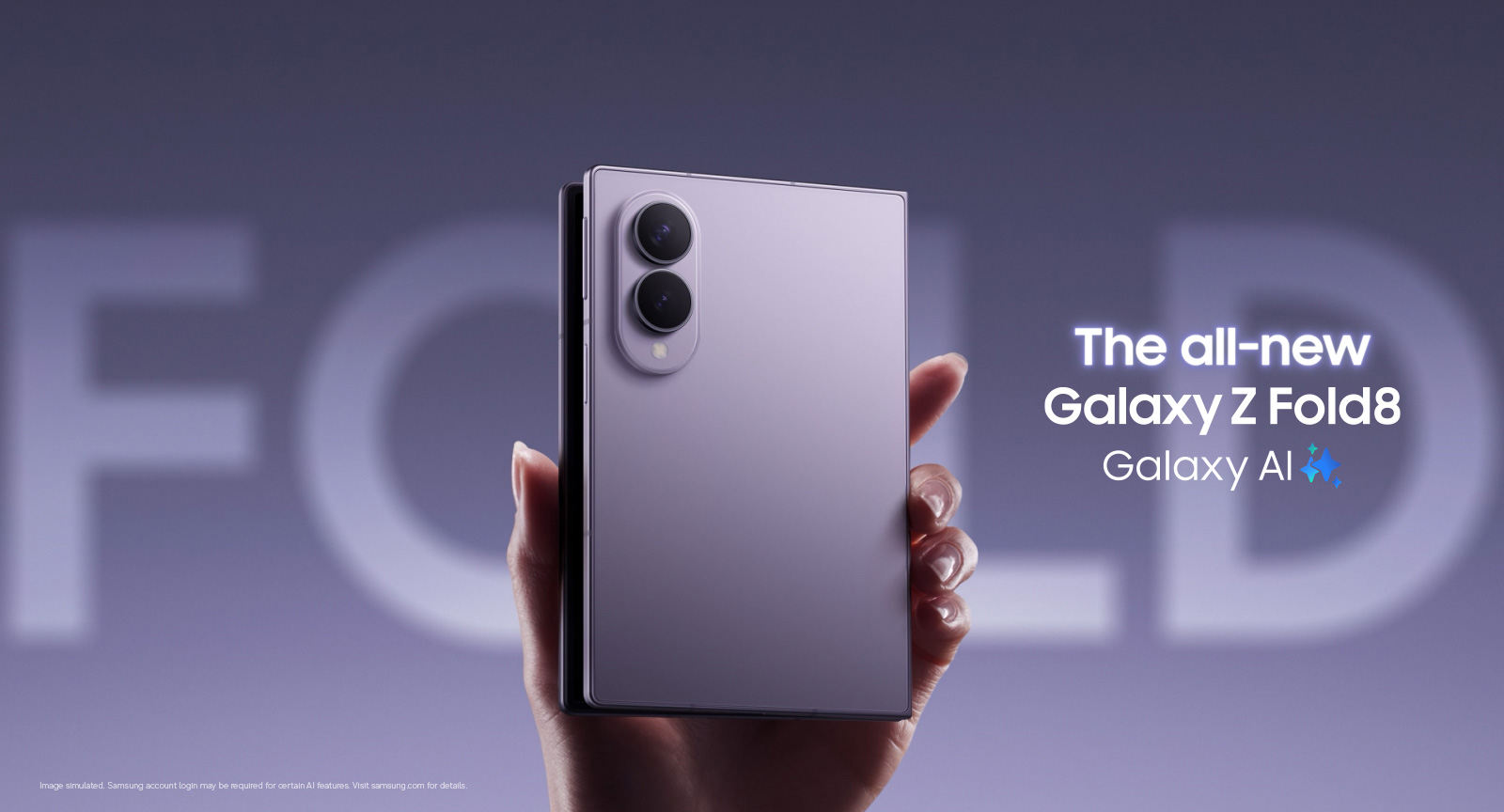
It also underlines an uncomfortable truth about the semiconductor supply chain: the pressure point is rarely the leading edge. It is mature nodes like 22nm, where no one is funding new capacity because the margins do not justify it, and where a single hot product can consume a year of headroom.
Apple is already in the queue
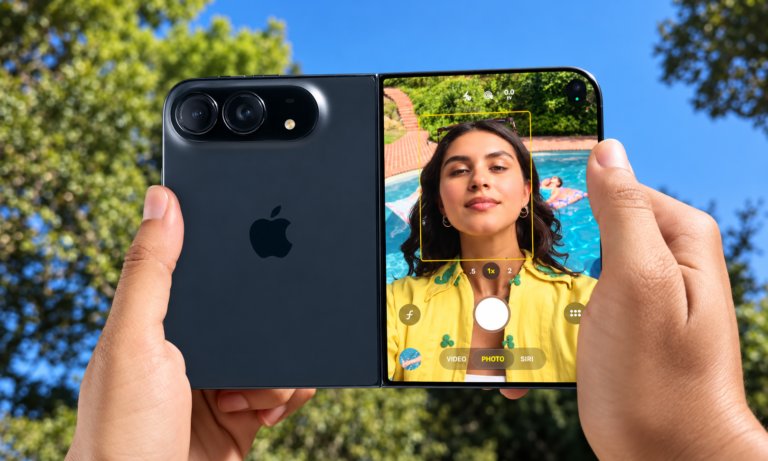
ChannelNews understands Apple is absorbing significant component volume for its own foldable from third party suppliers, tightening an already constrained pool.
This is the strategic squeeze.
Apple’s arrival validates the foldable category and expands it, which is good news for Samsung’s long-term positioning and terrible news for its next 18 months of procurement.
Samsung now has to defend a category it created against a rival bidding for the same finite supply, while having already spent part of its 2027 buffer. Whatever Samsung launches next year, it starts the cycle in deficit.
Flip is stalling, Fold is surging, and the mix has flipped
Early demand for the clamshell Galaxy Z Flip 8 has reportedly fallen short of expectations. Buyers have instead gravitated to the wider redesign, which abandons the tall aspect ratio that defined earlier Fold models in favour of a short, wide, passport-style form factor.
This is a significant reversal.
The Flip was built to be the accessible on-ramp to foldables, the volume play that made the format mainstream. If consumers are now skipping it for the far more expensive Fold, the average selling price story improves sharply while the supply story gets worse, because the demand has landed on the one product Samsung cannot build fast enough. Margin-positive, execution-negative.
Samsung shifts spend from price to experience
Samsung is simultaneously moving to lift experience-based marketing in selected markets, after research indicated buyers want more from retailers than a sharp price.
“We’re increasingly seeing customers specifically wanting foldables,” said Kenichi Kobayashi, chief marketing officer of Samsung Electronics in Japan.
The company is now working to lift the volume of product information available to consumers on what separates the new models, ahead of Apple’s launch.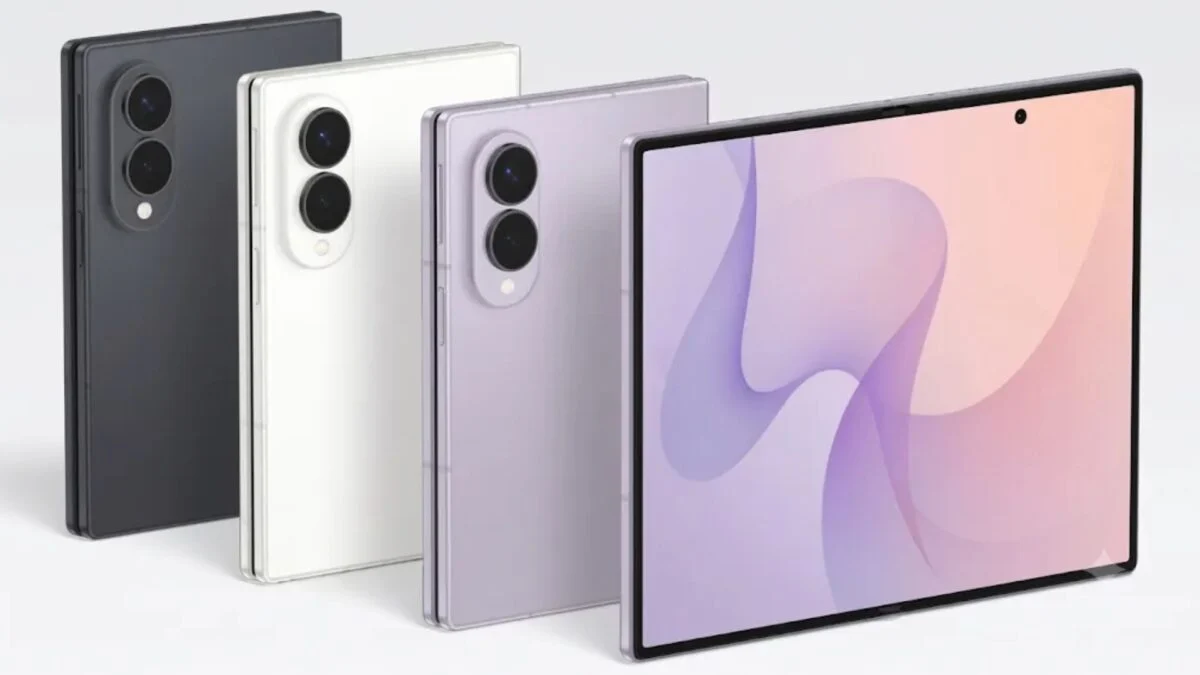
This is the right call, and it is overdue claim analysts.
A foldable cannot be sold from a spec sheet or a price ticket, because the entire proposition is what the device does in the hand. Retailers that treat it as another slab of glass on a wall bay will convert poorly.
Retailers that put it in customers’ hands will not. For Australian retail, the read-through is straightforward: floor space, staff training and demonstration stock are about to matter more than a discount, particularly in a quarter where Samsung may not have enough stock to discount anyway.
The bottom line
Samsung has a demand problem most manufacturers would take gratefully. But pulling next year’s silicon forward to service this year’s orders is not a solution, it is a deferred cost. The bill arrives in 2027, and it arrives at exactly the moment Apple will be scaling its own foldable.