Samsung Could Bring Privacy Display To Every Galaxy S27 Model
 April Ossington
Samsung may be preparing to make one of its flagship smartphone features available across its entire Galaxy S27 range, according to new reports.
The Privacy Display technology, which first appeared on the Galaxy S26 Ultra, is designed to limit viewing angles so that sensitive information on the screen is only visible to the person holding the phone. When activated, the feature makes it more difficult for people nearby to read notifications, messages or other personal content.
Until now, it was widely expected that Privacy Display would remain exclusive to Samsung’s premium Ultra models. However, reports from South Korean publication The Elec suggest the company intends to introduce the feature across all four Galaxy S27 models, including the standard handset.
The move would represent a notable change in Samsung’s product strategy. Entry-level Galaxy S models have traditionally missed out on several premium features, including faster charging speeds and Ultra Wideband connectivity, reserving those capabilities for higher-priced devices.
The report also claims Samsung considered sourcing display panels for the standard Galaxy S27 from Chinese manufacturer BOE as a cost-saving measure. That plan reportedly did not proceed, with Samsung Display instead expected to supply panels for the full Galaxy S27 family.
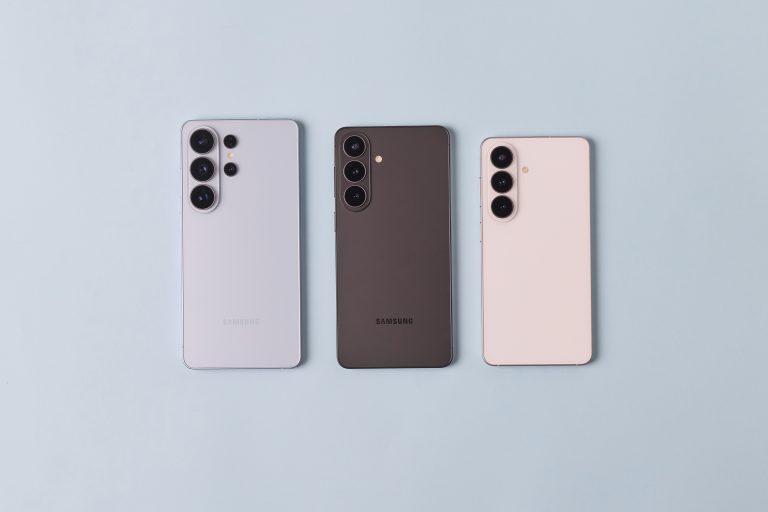
Galaxy S26
Interest in privacy-focused display technology is growing rapidly. Market research firm SigmaIntel estimates around one million smartphones equipped with Privacy Display technology shipped during 2025, largely targeting business and enterprise customers. Following the launch of the Galaxy S26 Ultra, shipments are forecast to increase to 21 million devices this year before rising to 29 million next year.
Samsung is not alone in pursuing the technology. Several reports indicate that Xiaomi, Honor, Oppo and vivo are also developing similar privacy display systems for future flagship smartphones as manufacturers place greater emphasis on protecting user data in public spaces.
Unlike software-based privacy filters, Privacy Display relies on specialised display hardware. The technology works by using different types of pixels that alter the screen’s viewing angle when the feature is enabled. While this provides stronger privacy protection, it also presents engineering challenges, including potential reductions in screen brightness, resolution and power efficiency.
The technology is also expected to make its way to foldable smartphones in the future, although display manufacturers are still working to overcome technical limitations associated with flexible screens.
For Australian consumers, the addition of Privacy Display across the Galaxy S27 range could make advanced privacy protection available to a much broader audience rather than limiting it to Samsung’s most expensive flagship model. Samsung has not officially confirmed the feature for the Galaxy S27 series.