Samsung Escalates HDR Format War As HDR10+ Advanced Hits Prime Video
 Emma Wheaton
17 Aug 2026
Emma Wheaton
17 Aug 2026
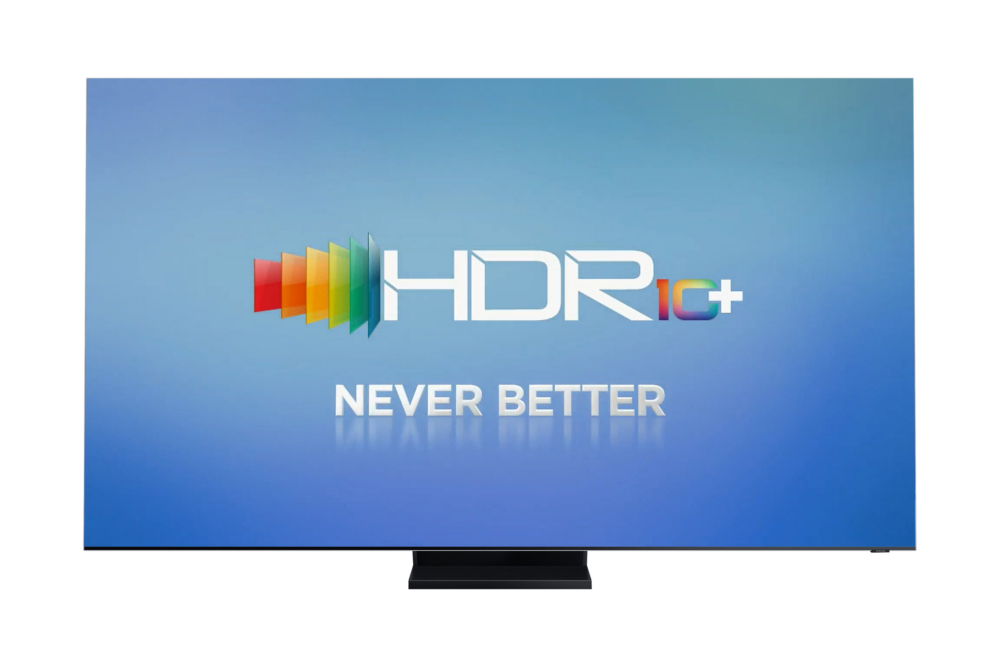
Samsung has begun rolling out its next-generation HDR10+ Advanced format through Amazon Prime Video, escalating the battle with Dolby Vision 2.
Samsung says HDR10+ Advanced will become available globally this month to viewers using compatible 2026 Samsung TVs through the Prime Video app. It is the first next-generation HDR format to become available with compatible streaming content, ahead of Dolby Vision 2, which has begun rolling out to selected Hisense 2026 models but currently has no supporting content available.
The development is significant for Australian retailers because Samsung has already built HDR10+ Advanced into a range of its 2026 TVs sold locally, including Neo QLED and Micro RGB models.
HDR10+ Advanced goes beyond the existing HDR10+ standard, adding enhanced brightness processing, AI-driven tone mapping and scene-specific motion processing.
Samsung says the technology uses extended metadata to make better use of the brightness capabilities of modern premium displays, while AI tone mapping is designed to retain shadow detail in darker scenes.
Its Intelligent Motion Smoothing system uses scene-by-scene metadata to adjust motion processing, with Samsung positioning the feature for smoother sports and fast-moving content while attempting to retain a cinematic appearance for movies and television.
The format also introduces additional enhancements aimed at gaming and sports content.
In Australia, the technology is already appearing across Samsung’s 2026 TV range, rather than being a future specification. Samsung’s Australian product listings identify HDR10+ Advanced support on its Micro RGB and Neo QLED models.
Amazon Prime Video is the launch streaming partner, with HDR10+ Advanced content becoming available through the Prime Video app this month.
Amazon has not yet detailed the full catalogue of titles that will be available in the enhanced format.
Prime Video has been a long-standing supporter of HDR10+, having adopted the original format in 2017. It is now extending that relationship to HDR10+ Advanced.
The launch puts Samsung and Dolby on opposing sides of another emerging format battle.
Dolby Vision 2 is targeting similar areas, including improved HDR processing and motion handling, with manufacturers including Hisense, TCL and Philips supporting the Dolby platform. Samsung, meanwhile, continues to back its royalty-free HDR10+ ecosystem.