Samsung Could Axe 2027 Galaxy Watch As Rising Chip Costs Force Major Shake-Up
 Dominic Bayley
23 Nov 2026
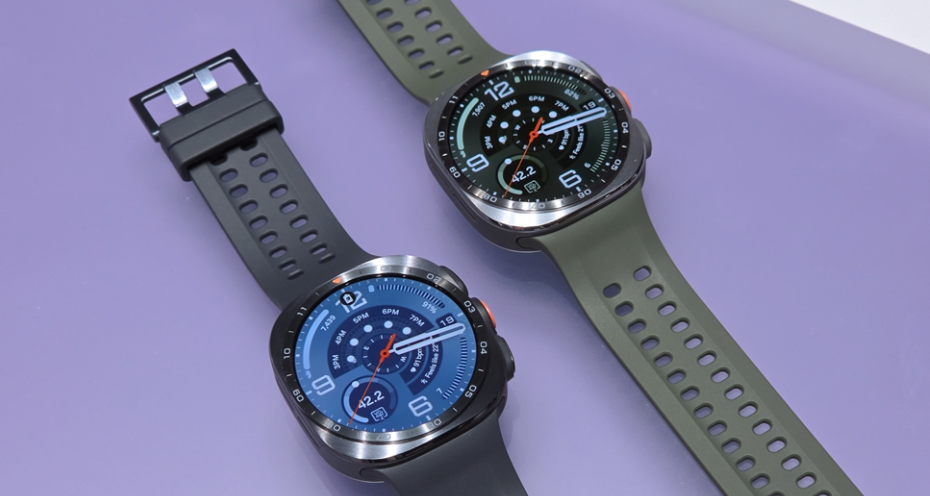
Samsung is reportedly planning to scrap its annual Galaxy Watch launch in 2027 as soaring component costs and weaker demand force the company to rethink its smartwatch business.
According to South Korean publication ETNews, Samsung is considering moving its Galaxy Watch range to a two-year release cycle, ending a tradition of annual upgrades that began in 2018.
The reported decision follows a major restructuring of Samsung’s Mobile eXperience (MX) division, which is placing greater emphasis on profitability and reducing operating costs.
Rising prices for memory chips and application processors are understood to be driving the changes, with manufacturers facing increasing pressure on profit margins.
The situation has been described as “chipflation”, as growing demand for semiconductors used in artificial intelligence data centres pushes up component prices across the consumer electronics industry.
Samsung’s latest Galaxy Watch 9 has also reportedly failed to generate the level of consumer interest the company had anticipated, raising questions about the value of releasing new smartwatch hardware every year.
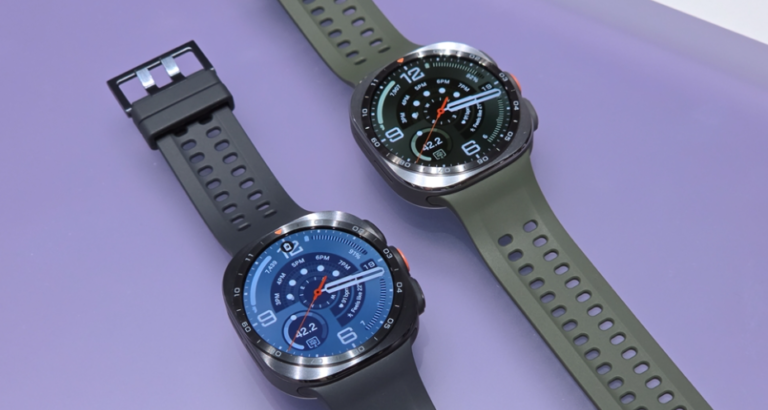
Rather than introducing a Galaxy Watch 10 in 2027, Samsung is expected to focus on extending the life of its existing smartwatch range through software updates and additional health-monitoring capabilities.
The strategy would allow the company to maintain interest in the Galaxy Watch 9 and Galaxy Watch Ultra while reducing the expense of developing and marketing new models.
Samsung is also reportedly preparing a new Galaxy Fit fitness tracker, offering consumers a cheaper alternative to its premium smartwatches.
The Galaxy Fit range typically features a smaller rectangular display and concentrates on fitness tracking, health monitoring and basic notifications.
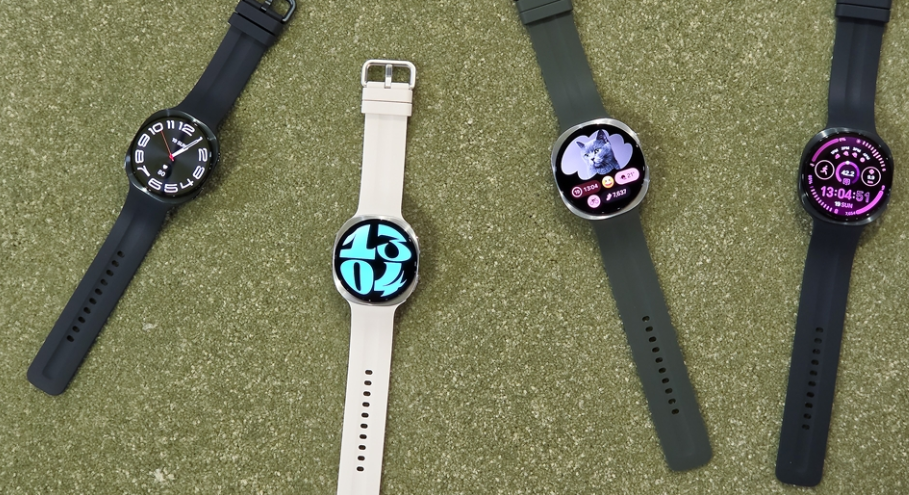
The potential shift to a two-year upgrade cycle also reflects the slowing pace of major innovation in the smartwatch market.
While manufacturers continue to improve battery life, processing performance and health-tracking accuracy, significant new capabilities can take years to develop.
Technologies such as non-invasive blood glucose monitoring remain particularly challenging because of the need for accurate sensors, compact hardware and regulatory approvals.
Samsung’s cost-cutting strategy is reportedly extending to its smartphone business.
The company is understood to have reduced production of its budget Galaxy A smartphones by around 20 per cent this quarter, with price increases also being considered.
Meanwhile, Samsung is reportedly planning to direct approximately 70 per cent of Galaxy S27 production towards its more expensive Pro and Ultra models.
The move would reflect a broader industry shift towards premium smartphones, which typically deliver higher profit margins than entry-level devices.
Samsung has not officially confirmed the changes to its smartwatch release schedule or its reported production adjustments.
However, the developments suggest 2027 could bring significant changes to Samsung’s consumer electronics strategy as the company responds to rising manufacturing costs and increasing pressure to improve profitability.