Retailers Warn of Job Cuts as Fair Work Commission Hands Workers Up to 6% Pay Rise
 David Richards
02 Jun 2026
David Richards
02 Jun 2026
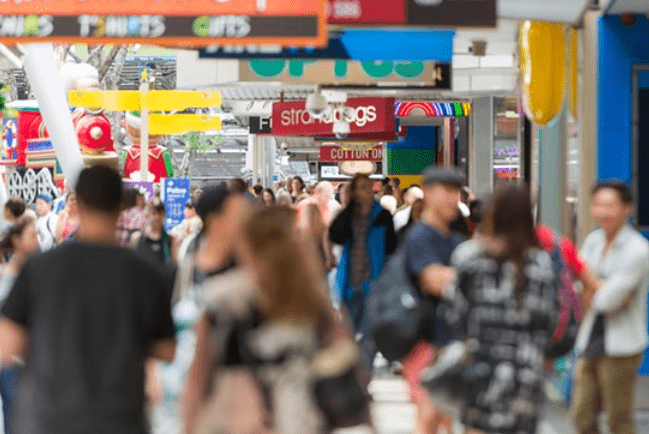
Australian retailers are warning that jobs could be lost and smaller businesses pushed to the brink following a Fair Work Commission decision to grant millions of workers a substantial wage increase from July 1.
The ruling, welcomed by unions and the Federal Government, will deliver pay rises of at least 4.75 per cent to workers covered by modern awards, with some of the nation’s lowest paid employees set to receive increases approaching 6 per cent.
The Fair Work Commission on Tuesday lifted the national minimum wage from $24.95 an hour to $26.44 an hour, increasing weekly earnings from $948 to $1,004 for around 100,000 minimum wage workers.
The decision will also flow through to more than 2.8 million award reliant workers employed across major retailers including JB Hi Fi, The Good Guys, Harvey Norman, Big W, Woolworths and Coles.
Retail industry groups and employers have warned that the wage increase comes at a time when businesses are already struggling with weak consumer spending, rising operating costs and growing competition from global online retailers such as Amazon.
Several retailers contacted by ChannelNews said the increase would place additional pressure on already thin margins.
“We knew a pay rise was coming, but some smaller retailers will not survive today’s decision, with layoffs now a certainty,” one major retailer said on condition of anonymity.
Industry observers believe smaller retailers will bear the brunt of the ruling as labour costs continue to climb alongside increases in rent, insurance, freight, energy and compliance expenses.
Australian Retail Council Chief Legal and Industrial Relations Officer Lindsay Carroll said retailers supported fair wages and recognised the important contribution made by retail employees.
However, she warned the decision would add to a growing list of financial pressures confronting the sector.
“Labour is one of the largest costs in running a retail business. Combined with rising energy, rent, insurance, freight, compliance and security costs, this decision will place additional strain on already thin margins across the sector,” Carroll said.
The Fair Work Commission’s ruling follows a push by the Australian Council of Trade Unions for a 6 per cent increase across the board. While the union did not secure its full claim for all workers, the lowest paid employees will receive increases close to that level.
Business groups had strongly opposed a larger increase, warning it risked reigniting inflation.
The Council of Small Business Organisations Australia argued any wage increase should be limited to the inflation rate. Chief Executive Skye Cappuccio said many small businesses lacked the capacity to absorb further cost increases.
“Some businesses can pass on costs, but many cannot, and no small business can absorb sustained increases indefinitely,” she said.

Bosses might not like WFH, but retailers sure do
The Australian Industry Group called for a more modest increase of 3.9 per cent, arguing that larger rises would place additional pressure on prices and the broader economy.
During hearings last month, members of the Fair Work Commission questioned whether the ACTU had been too dismissive of concerns that a significant wage increase could contribute to inflationary pressures.
Fair Work Commission President Adam Hatcher said it would not be practical or responsible to award a rise above the level required to restore real wages lost since the COVID,19 pandemic.
“We consider that we should at least ensure that modern award reliant employees generally are not worse off in real terms than they were as at 1 July 2025,” Hatcher said.
The decision comes amid ongoing uncertainty surrounding the conflict in the Middle East and concerns over disruptions to shipping through the Strait of Hormuz, factors that economists say could place further upward pressure on inflation.
Headline inflation stood at 4.2 per cent in the year to April, while the Reserve Bank has forecast inflation could rise to 4.8 per cent by the end of June.
Treasurer Jim Chalmers stopped short of nominating a specific wage increase during the review process but said Australian workers deserved a meaningful real wage rise.
The wage increase will take effect from the first full pay cycle after July 1, 2026.
While workers will welcome the boost to household incomes after years of elevated living costs, employers warn the decision risks accelerating job losses, particularly among smaller retailers already battling slowing sales and rising expenses.
The outcome lands between the demands of unions and the preferences of employer groups, but its impact on employment, inflation and retail profitability is likely to remain the subject of fierce debate in the months ahead.