Refurbished Phones Cash In As New Smartphone Sales Crash
 David Richards
21 Oct 2026
Australians are abandoning new smartphones for refurbished models as soaring memory costs push handset prices to record highs, with local new phone sales down 12% in the first half of 2026 and global shipments suffering their steepest quarterly fall on record.
NIQ’s sales tracking panel shows new smartphone volumes fell 12% in 1H 2026 compared with the same period last year. Resellers of refurbished smartphones are reporting double digit growth, although Australia still has no reliable local volume figures for the second-hand market.
Price Rises Drive Buyers Away
Apple, Samsung, Oppo and Motorola have all lifted local prices. Samsung Australia added $150 to the price of its base Galaxy S26.
The main driver is a sharp jump in memory costs. IDC is tipping a 12% price rise, while 6W Research warns that demand for new devices, which had held up well, is now softening.
High mortgage rates and rising living costs are also pushing Australians to hold on to their phones longer than ever, according to new research.
Refurbished Demand Builds
Local research shows more than a third of adult Australians planning an upgrade say they would probably buy refurbished. A further 75% of current new-phone owners say they would consider a refurbished device next time, particularly if it allows them to step up to a better model.
One carrier tracking the trend forecasts the refurbished segment will grow at a 9% CAGR through to 2029.
Online retailers, many of them Asian owned businesses that refurbish smartphones offshore and ship them back to Australia, are building consumer trust by offering warranties of up to 24 months. eBay and Gumtree continue to lead general resale, while Reebelo and OzMobiles are emerging as trusted refurbished specialists.
UK Shows The Way
NIQ describes Australia’s refurbished market as underdeveloped compared with mature markets such as the UK.
In the UK, refurbished phones account for nearly one in 10 smartphone sales and are growing 14% a year, while new phone sales fell 7%. NIQ argues this shows refurbished devices do not cannibalise demand for new phones.
Record Global Collapse
Preliminary IDC figures show global third quarter smartphone shipments fell a record 22% year-on-year to 255.3 million units as escalating component costs hit consumer spending. Counterpoint Research earlier this week put the decline at 20%.
Samsung led the market with 57.8 million units, narrowly ahead of Apple on 57.3 million. A year earlier the pair shipped 61.4 million and 59.7 million respectively.
Despite lower volumes, Samsung and Apple grew their market share to 22.6% and 22.4% respectively, at the expense of Chinese brands. Oppo shipments fell to 25.6 million from 39.1 million.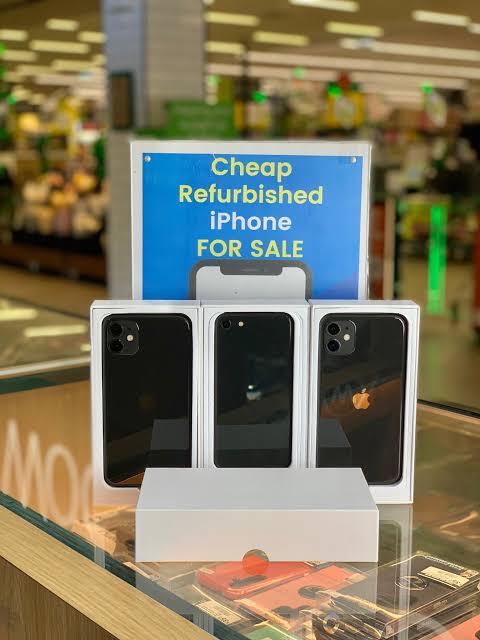
Korean outlet MoneyToday reported last week that Samsung has cut Q4 smartphone production by 30% as memory costs erode its margins.
Forecasts Keep Getting Worse
The decline has accelerated through the year. IDC figures show shipments fell 2.9% year-on-year in Q1 and 7.4% in Q2.
In February, IDC forecast a 12.9% contraction for 2026. In May it revised that to 13.9%, the steepest fall in the history of the smartphone market. In August it downgraded again, predicting an unprecedented 16.7% decline in shipment volumes this year.
“The worst is yet to come,” said Nabila Popal, senior research director for worldwide devices at IDC.