Acer Posts Best September In 14 Years As PC Market Braces For Double-Digit Slump
 David Richards
21 Oct 2026

Acer has reported its strongest September revenue in 14 years, with sales for the first nine months of 2026 up 24% to A$10.98 billion, even as a global memory shortage pushes up PC prices and analysts forecast a sharp contraction in shipments with CEO questioning the extent of the memory crisis and it’s impact on PC Companies.
The Taiwanese PC maker, a key supplier to Harvey Norman and The Good Guys, said September revenue rose 17.6% year on year to A$1.53 billion, while third quarter revenue climbed 25.1% to A$4.04 billion.
The result comes as IDC forecasts global PC shipments will fall 11.3% in 2026, with fourth quarter shipments potentially down 20% on the previous year as DRAM and NAND shortages squeeze manufacturers and consumers.
Commercial PCs Drive Growth
Commercial PCs, excluding Chromebooks, were the standout, with revenue up 34.2% over the first nine months. Acer has reported particularly strong commercial demand in Australia, notably in education.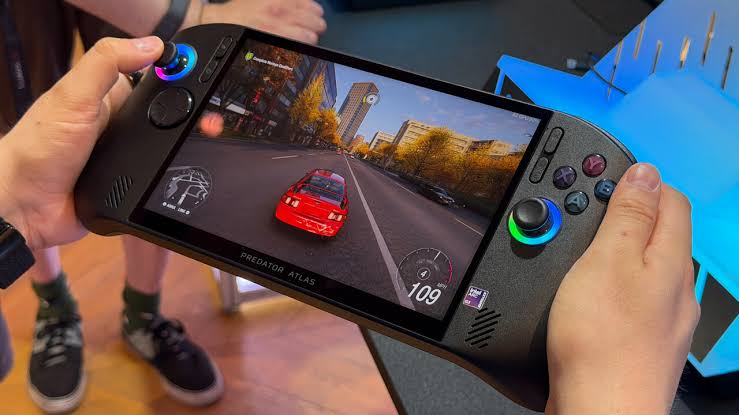
Total PC revenue rose 21.4% for the nine months and 14.8% in September. Tablet revenue jumped 126.6% in September and 12.7% year to date, while Chromebook revenue rose 4.2% in September and 11.1% for the nine months.
Desktop revenue rose 57.3% in the second quarter, which Acer linked to artificial intelligence adoption, while gaming revenue lifted 5.6%.
Diversification Pays Off
Businesses outside PCs and displays grew 35.9% in the first nine months and, together with displays, accounted for 34.7% of group revenue, reducing Acer’s reliance on consumer notebooks.
Segment September YoY Nine months YoY
Personal computers +14.8% +21.4%
Commercial PCs (ex Chromebooks) +7.0% +34.2%
Chromebooks +4.2% +11.1%
Tablets +126.6% +12.7%
Non-PC and display businesses n/a +35.9%
CEO Challenges Memory Crisis Forecasts
Acer chief executive Jason Chen has pushed back against industry warnings of a prolonged shortage. According to reports published in September, Chen said DDR4 and DDR5 supply is more readily available than some commentary suggests, and that new Chinese semiconductor capacity could ease pressure in 2027.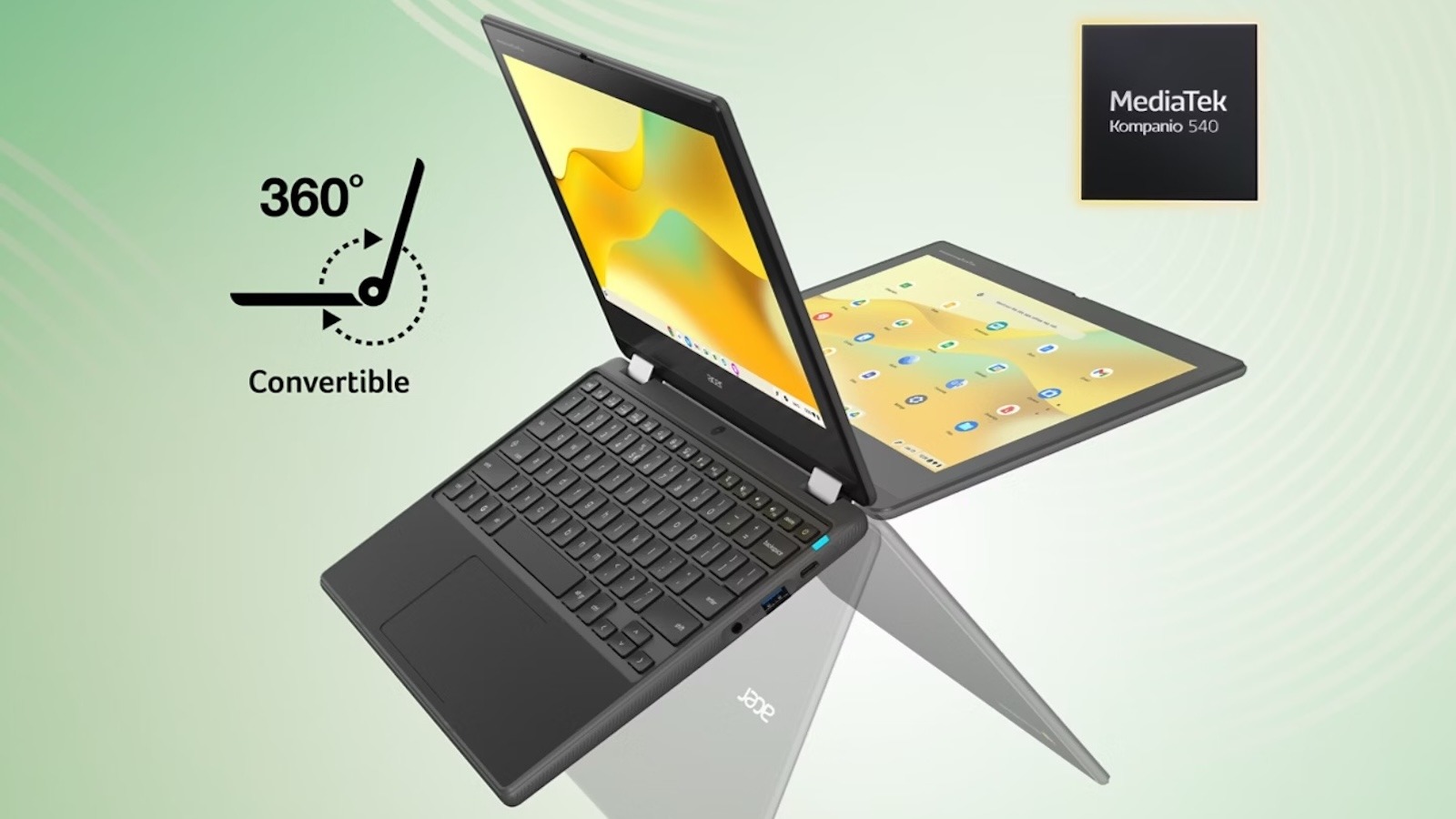
He described predictions that the crisis will run until 2030 as excessively pessimistic, but still expects PC prices to rise between 5% and 20% in the fourth quarter.
IDC takes a harder line, forecasting the shortage will persist through 2027 as suppliers prioritise higher-margin memory for AI data centres. Entry-level notebook makers are expected to be hit hardest.
Revenue Versus Volume
Acer’s monthly disclosure covers revenue only, not shipment volumes or market share, leaving open how much of the growth reflects higher selling prices and channel stocking ahead of further component inflation.
Omdia data shows PC average selling prices rose 12% in the second quarter of 2026. Market revenue rose 13.1% over the period while shipments grew just 1%.
Industry sources suggest Acer Australia’s commercial and education business is outpacing its consumer notebook operation. It remains unclear whether retailers including Harvey Norman, Officeworks and The Good Guys are moving more Acer units or simply recording higher transaction values.