RBA Holds Rates as Retailers Face Deepening Sales Crisis and Margin Squeeze
 David Richards
16 Jun 2026
David Richards
16 Jun 2026

Australian retailers have been handed a modest reprieve after the Reserve Bank of Australia (RBA) opted to leave the official cash rate unchanged at 4.35%, but industry observers warn the decision does little to address a worsening retail downturn as End of Financial Year (EOFY) sales fail to stimulate consumer spending.
The RBA’s decision, which was unanimously supported by all nine board members, was widely anticipated by economists and financial markets. However, for retailers battling falling sales, rising costs and increasingly cautious consumers, the rate hold offers little immediate relief.
Data from the Australian Retail Council (ARC) and Roy Morgan shows EOFY spending is expected to reach $10.7 billion this year, but growth has slowed to just 1.9 per cent — significantly below inflation and representing a decline in real spending.
Retailers are now being squeezed from both sides of the balance sheet.
Consumer demand has weakened sharply as households continue to prioritise mortgages, rent, utilities and groceries over discretionary purchases, while operating costs continue to escalate across virtually every area of business.
Industry analysts describe the situation as a severe economic “pincer movement” that is eroding profitability across the sector.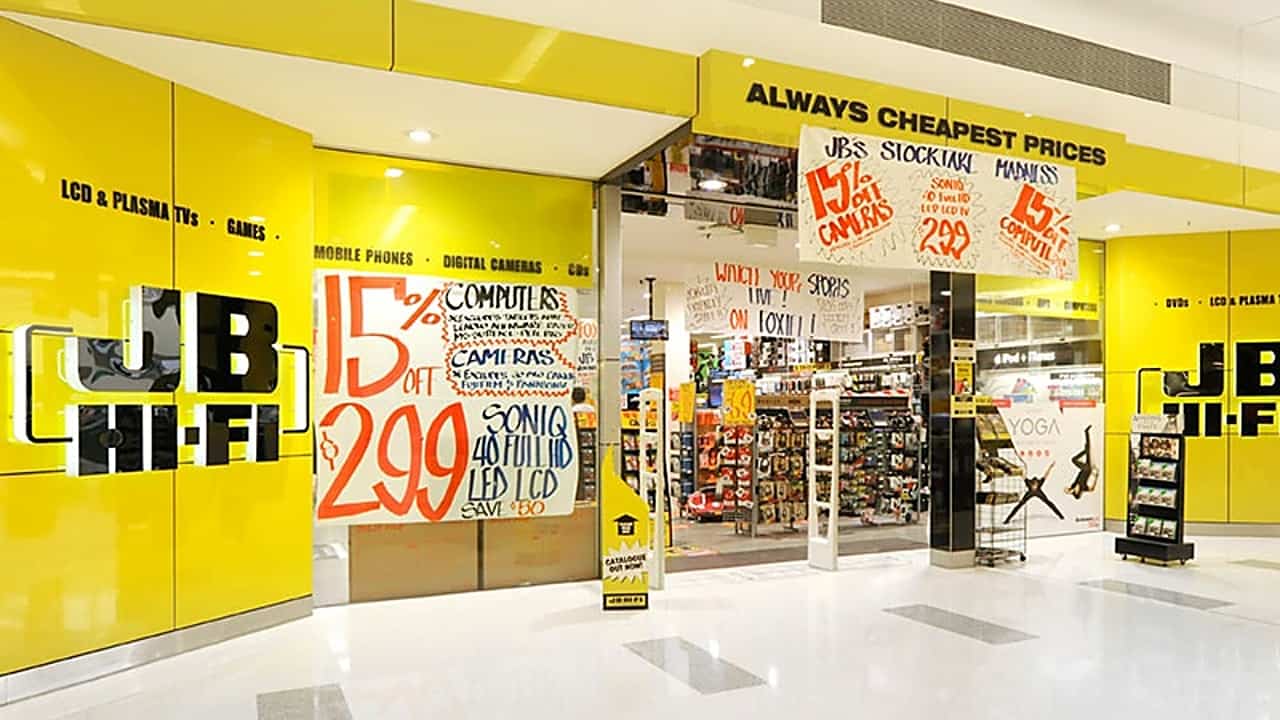
While some economists continue to forecast another rate rise before year-end, a growing number now believe the RBA’s next move will be a rate cut in 2027 following softer inflation and unemployment data.
Adding to the cautiously optimistic outlook, global markets reacted positively after the United States and Iran signed a preliminary agreement aimed at ending a four-month conflict that had pushed oil prices above US$100 a barrel. Any sustained easing in energy costs could eventually flow through supply chains and reduce pressure on retailers.
For now, however, consumer behaviour remains the sector’s biggest challenge.
Research indicates Australian shoppers have fundamentally altered their purchasing habits. Underlying inflation, which recently climbed to 3.4 per cent, has effectively erased recent wage gains, forcing households into defensive spending patterns.
Multiple interest rate increases delivered during the first half of the year have further constrained household budgets, leaving little room for discretionary purchases.
Impulse buying has largely disappeared from the market.
Instead, consumers are increasingly making planned, necessity-based purchases, with replacement buying replacing aspirational spending.
Research shows 73 per cent of Australians now plan purchases in advance, while more than half shop using strict digital lists. Nearly eight in ten consumers refuse to buy their preferred brand unless it is heavily discounted.
The trend is proving particularly damaging for retailers reliant on big-ticket purchases, with 69 per cent of shoppers placing a hard spending cap of $500 or less on their entire EOFY shopping budget.
Perhaps most concerning is the retreat of the 35-to-49-year-old demographic — traditionally the engine room of household spending. Roy Morgan data shows this group is now spending significantly less than both younger and older Australians as they absorb higher mortgage repayments and rising living costs.
At the same time retailers are confronting a rapidly expanding cost base.
ChannelNews sources indicate that many major retailers are experiencing revenue declines while simultaneously facing higher expenses to keep stores operating.
Global supply chain disruptions and ongoing geopolitical uncertainty continue to drive wholesale price increases, with major suppliers already seeking higher pricing for products scheduled to arrive during the first half of the 2026-27 financial year.
Retailers are also grappling with rising freight costs, energy prices, transport expenses and increased labour costs.
From July 1, almost three million Australian workers received wage increases after the Fair Work Commission approved a 4.75 per cent rise in modern award wages and a 6 per cent increase in the National Minimum Wage, pushing annual minimum earnings above $50,000 for the first time.
Analysts estimate the combined impact of these pressures has added approximately 2.1 per cent to underlying retail operating costs.
Commercial leasing expenses and other domestic cost increases are further compounding the problem.
The result is an increasingly unsustainable dilemma.
Retailers must heavily discount products to clear inventory and achieve financial-year sales targets, with discounts of between 20 and 50 per cent now commonplace across consumer electronics, appliances, furniture and technology categories.
Yet many can no longer afford to absorb such reductions.
Passing higher costs on to consumers risks triggering an immediate collapse in demand, while matching increasingly aggressive discount expectations can wipe out profit margins entirely.
Unlike previous economic slowdowns, retailers say creditors are showing little flexibility.
Small and medium-sized operators are reporting more aggressive debt recovery activity from banks, landlords and the Australian Taxation Office, increasing financial pressure on businesses already struggling to maintain cash flow.
With consumer confidence fragile, costs rising and margins under sustained attack, many retailers now face a difficult second half of the year despite the RBA’s decision to leave rates unchanged.