Privacy Commissioner Back Trying To Nobble Retailers Protecting Shoppers & Staff
 David Richards
18 Aug 2026
David Richards
18 Aug 2026

Australia’s Privacy Commission is back warning retailers who are under siege from thugs, serial shoplifters that privacy comes first in what appears to be a move that could let criminals get away scott free.
Forget about allowing retailers to identify criminals and offenders that beat up staff and customers, the new modus operandi from Australia’s Privacy Commissioner is a warning to retailers that they do not have an open invitation to use facial recognition technology to identify criminal behavior and protect staff, after it was revealed that both Woolworths the owners of Big W and Coles were testing facial recognition technology that in the UK have been effective in allowing police to arrest and charge offenders.
Australia’s Privacy Commissioner is claiming that retailers they do not have an open invitation to deploy facial recognition technology, despite mounting retail crime and new polling showing strong consumer support for the technology being used to identify violent offenders.
The warning follows revelations in the Australian Financial Review that supermarket giants Woolworths, owner of Big W, and Coles have both completed early testing of facial recognition technology as they consider ways to stem the growth in crime and violent incidents in their stores.
A Privacy Commission spokeswoman said the Privacy Act sets a high bar for the collection of sensitive information, with facial recognition, even for a fraction of a second, requiring consent unless an exception applies.
Bunnings Ruling “Not A Green Light”
The Commission’s intervention comes after the Administrative Review Tribunal (ART) ruled in February 2026 that Bunnings was entitled to use facial recognition for the limited purpose of combating serious retail crime and protecting staff and customers, even though the hardware chain had breached other privacy obligations in the way it implemented the system.
Bunnings now plans to redeploy the technology in its Australian stores next year, in what is shaping as a fresh test of the country’s privacy laws.
“In the Bunnings matter, the Administrative Review Tribunal decision considered the serious problem of violence and theft affecting Bunnings, arising from the nature of its stores and the products they sell, some of which can potentially be used as weapons,” the Privacy Commission spokeswoman said.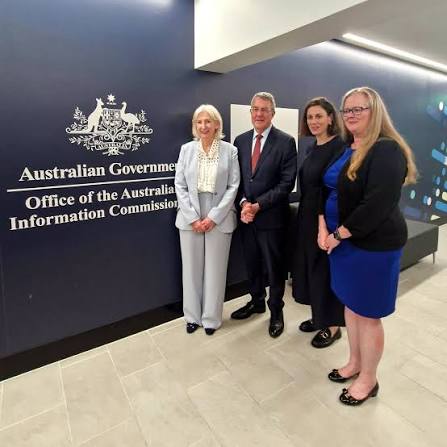
“That decision was made with consideration to those specific conditions affecting Bunnings and should not be read as a green light for all retail facial recognition technology deployments.”
Bunnings trialled the technology in 63 stores in Victoria and NSW between 2018 and 2021, with cameras scanning people entering stores and comparing biometric templates against a watchlist of people associated with previous serious offending. Biometric information from non-matches was retained for only milliseconds before deletion.
The Privacy Commissioner’s original November 2024 determination found the trial breached the Privacy Act because Bunnings collected sensitive biometric information without consent, inadequately notified customers, had inadequate privacy governance and could not establish that its indiscriminate collection was necessary and proportionate.
Retail Crime Surging
The regulator’s caution comes as retail crime continues to climb, with Victoria now the worst state in the country and accounting for roughly a third of all retail crime cases nationally after incidents rose more than 20% in 2025.
Crime Statistics Agency data shows 95,181 criminal incidents were recorded in Victorian retail locations in the year to 31 December 2025, up 1.1% on 2024 and 25.7% over the decade, making retail the third most common crime location behind only streets and private dwellings.
Stealing from retail stores jumped 16.7% to 20,615 alleged offender incidents, while assaults in retail stores rose 5.1% to 5,357. Stalking, harassment and threatening behaviour in retail locations climbed 10.1% in the year to March 2026, and the Australian Retail Council estimates around 100 violent retail crime events occur in Victoria every day.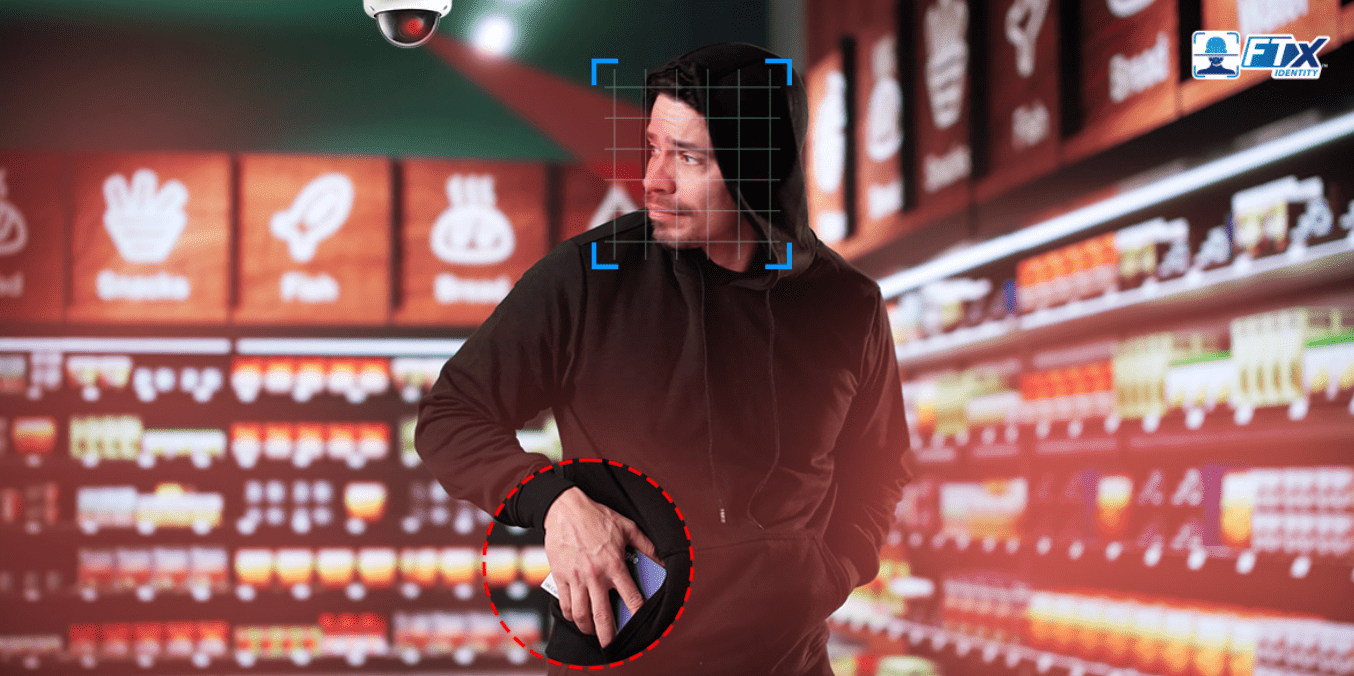
Consumers Back The Technology
Polling suggests shoppers want the protection. RedBridge polling of more than 2,000 shoppers for the Australian Retail Council in October 2025 found 81% support using facial recognition to identify people who previously threatened staff with a weapon, 80% for identifying those who assaulted staff or customers, and 75% for repeat serious offenders.
A Monash/ANU national survey delivered similar results, finding Australians support facial recognition for government services and criminal identification but hold significant concerns about commercial applications, with a strong preference for transparency and consent, such as signage in stores highlighting the use of camera identification technology.
JB Hi-Fi Watching, Canberra Weighs Rules
JB Hi-Fi chief executive Nick Wells said yesterday the electronics retailer was not using the technology in stores but would continue to “monitor the developments, and we’ll consider its application in our business in the future”.
In 2022, The Good Guys chain, owned by JB Hi-Fi, trialled the technology in stores, prompting a Privacy Commission investigation that was dropped a year later after the retailer stopped using it.
Attorney-General Michelle Rowland has flagged she may consider creating rules for how facial recognition technology is used ahead of plans to overhaul the country’s privacy laws, acknowledging Australians were increasingly concerned about how the technology can be used.
“While the government recognises that facial recognition technology can be used to combat retail crime, it must be done responsibly and appropriately,” a spokesman for Rowland said.