Premium Product Sales Holding Up Retailers As Suppliers Reshape Product Mixes
 David Richards
24 Sep 2026
David Richards
24 Sep 2026
Memory is causing havoc with CE, audio and appliance sales and the market is retreating due to rising costs and inflation pressure but this has not stopped brands with premium products benefitting after jacking up the price of their top end models.
Research shows that the overall market for smartphones, notebooks is in decline, the exception is premium products with brands such as Lenovo, Samsung, Apple, HP and Dell all witnessing an increase in sales of premium products.
This has led to the share price of Companies defying an industry wide downturn.
Samsung is up 3.2%, Apple 17% Lenovo 299% during the past six months.
A major contributor is demand for products that can handle AI processing or are benefitting from AI.
Apple’s iPhone sales are projected by analysts to generate 17% more revenue this calendar year, despite IDC forecasting iPhone unit sales to fall 1.3% while smartphone shipments globally are forecast to drop by 16.7%.
One of the key contributors for the disconnect between sales and revenue are memory chip prices, which are being driven higher by the AI race.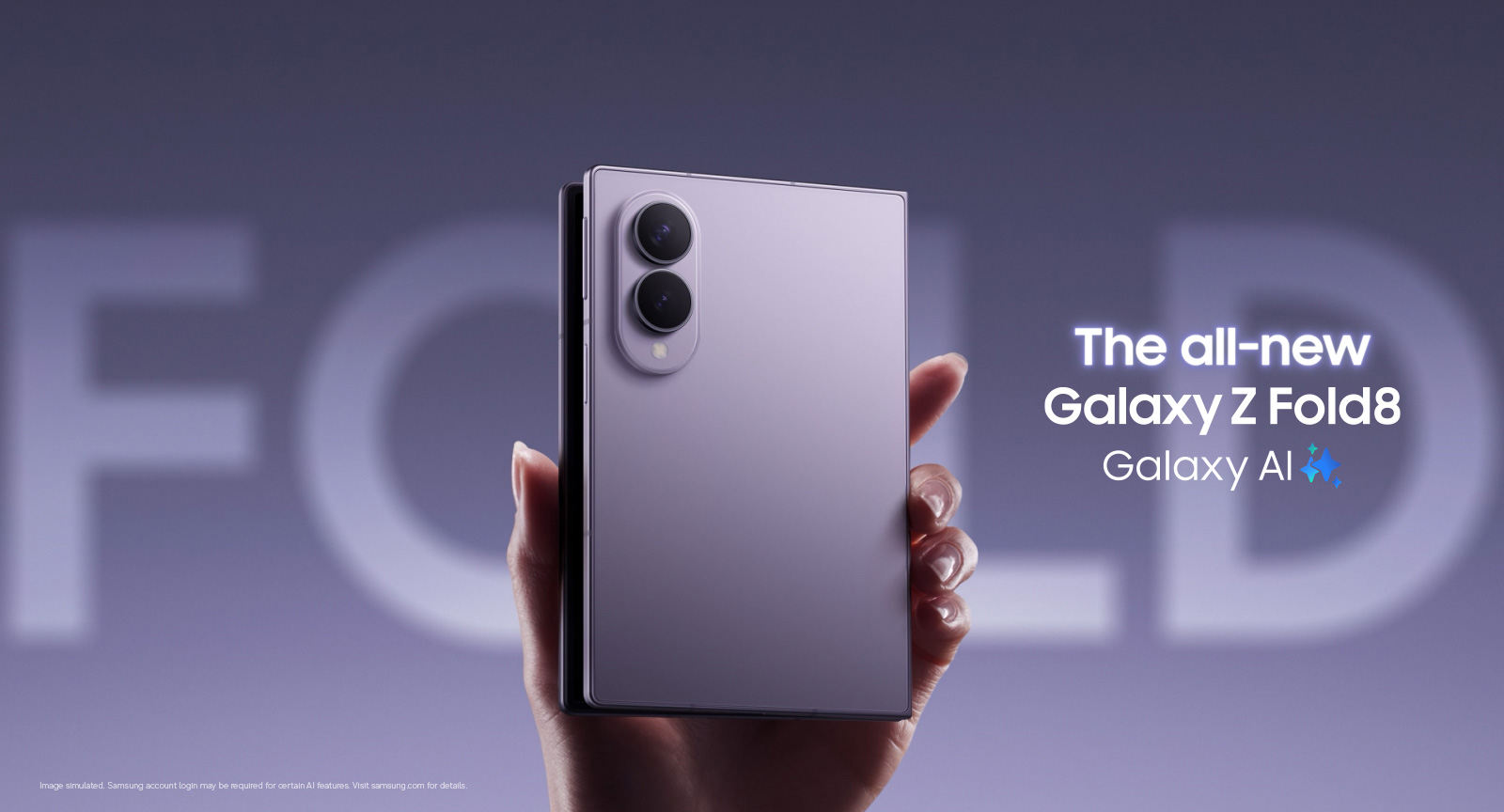
Memory accounted for around 16% of the cost of materials to make a PC last year, according to Gartner, which expects the ratio to peak at 25%.
Faced with higher input costs, manufacturers are raising device prices and keeping revenue elevated.
Both Samsung and Apple have delivered steep price rises this year.
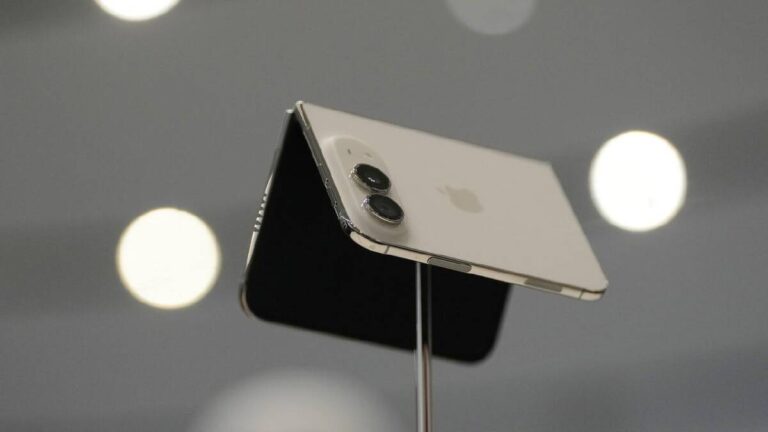
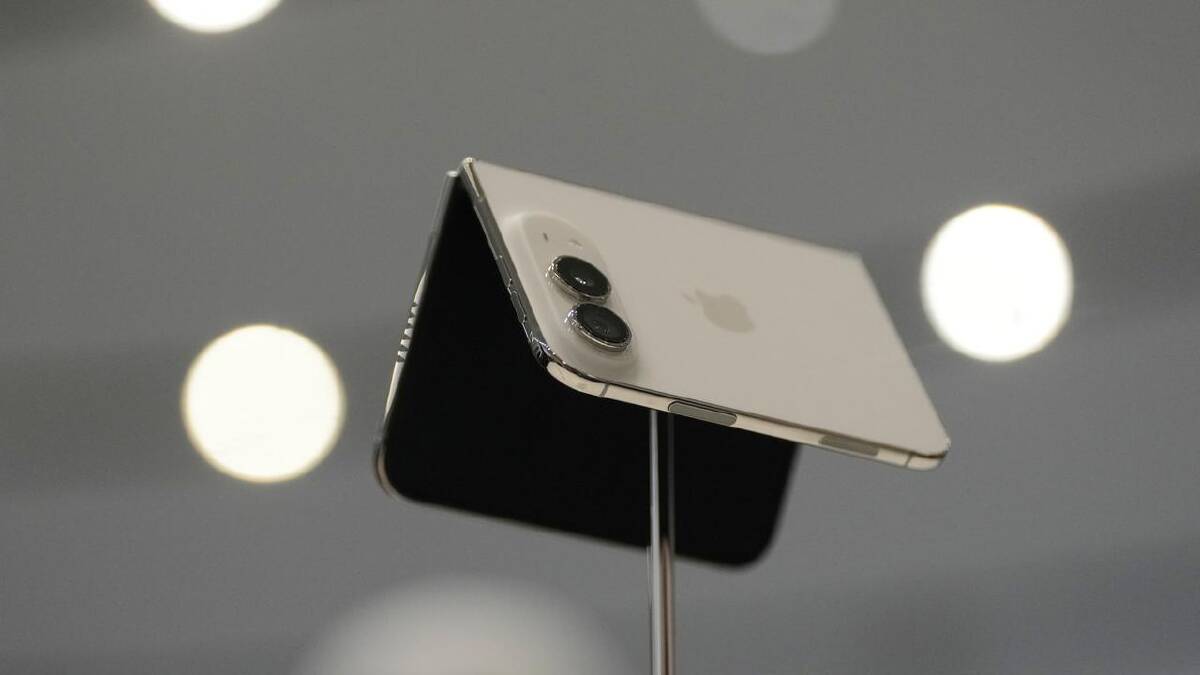
Apple has launched their foldable iPhone Duo, priced at an eye-watering $3,599.
In the smartphone market manufacturers of cheap Android-based devices such as Oppo have raised prices on some of their cheapest models.
Instead of drawing away buyers of higher-end phones, their price hikes are putting them closer to competing with Samsung’s A Series models.
The big difference is that Samsung has a much more premium brand image, so it’s going to be a very difficult time,” IDC analyst Nabila Popal said.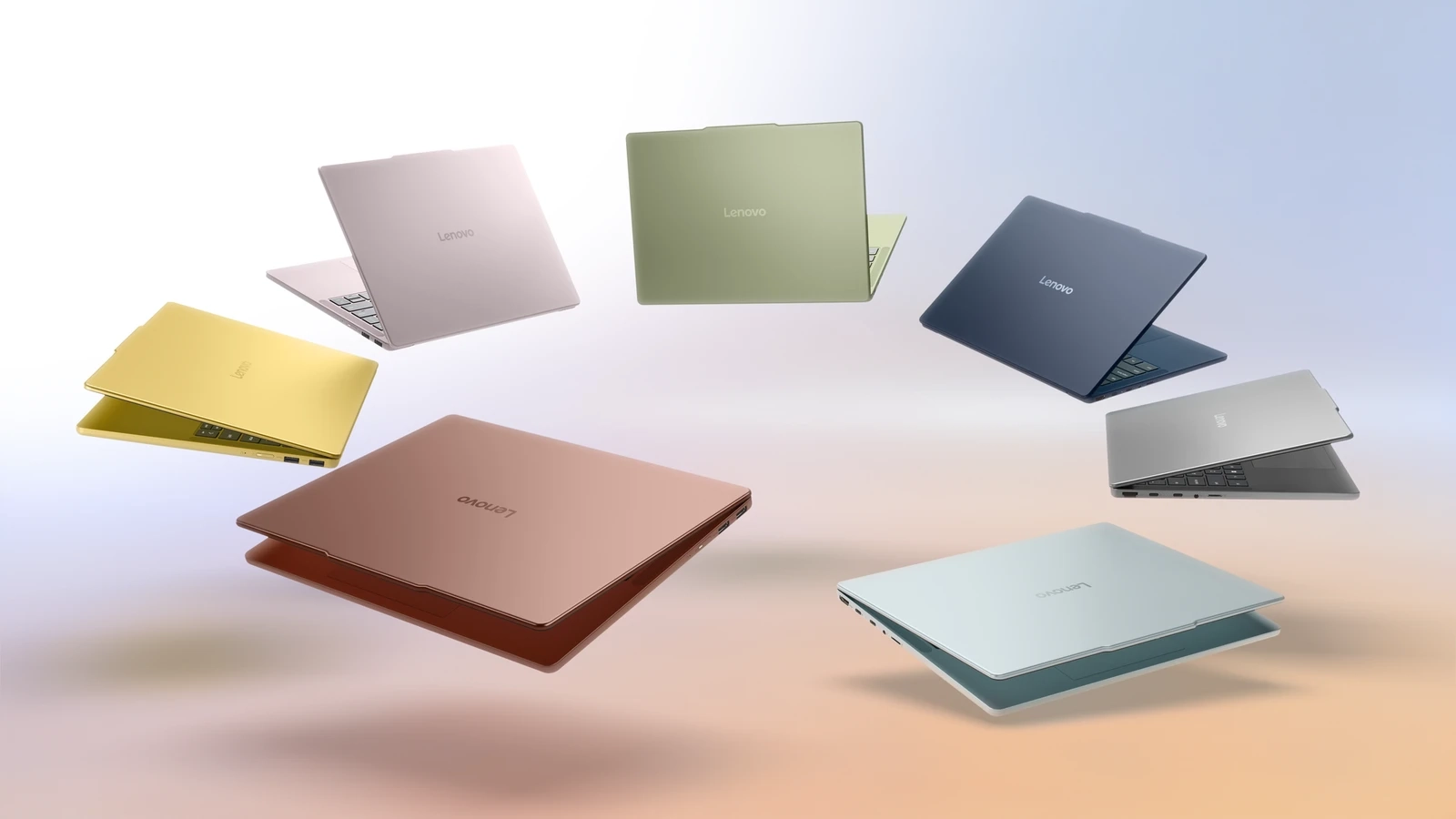
The days of the budget laptop may also be over: With less margin available to absorb higher memory costs, “the sub-$500 entry-level PC segment will disappear by 2028,” Gartner analyst Ranjit Atwal predicted earlier this year.
Dell Chief Executive Michael Dell said at an analyst conference this month that the average age of PCs people and companies own would be older, and they would defer upgrades.
Companies may wait for employees to complain that their PCs are too old, or replace them only when they stop working, he said.
Manufacturers are now moving to increase prices in an effort to benefit from higher ASP.
longer in store cycles put them under greater pressure to deliver new AI capabilities and other features compelling enough for customers to overcome the sticker shock.
“We don’t believe it’s a unit game anymore,” HP chief financial officer Karen Parkhill said told the Wall Street Journal earlier this month.
“Offering solutions that can enable AI locally at the edge is really the game right now.”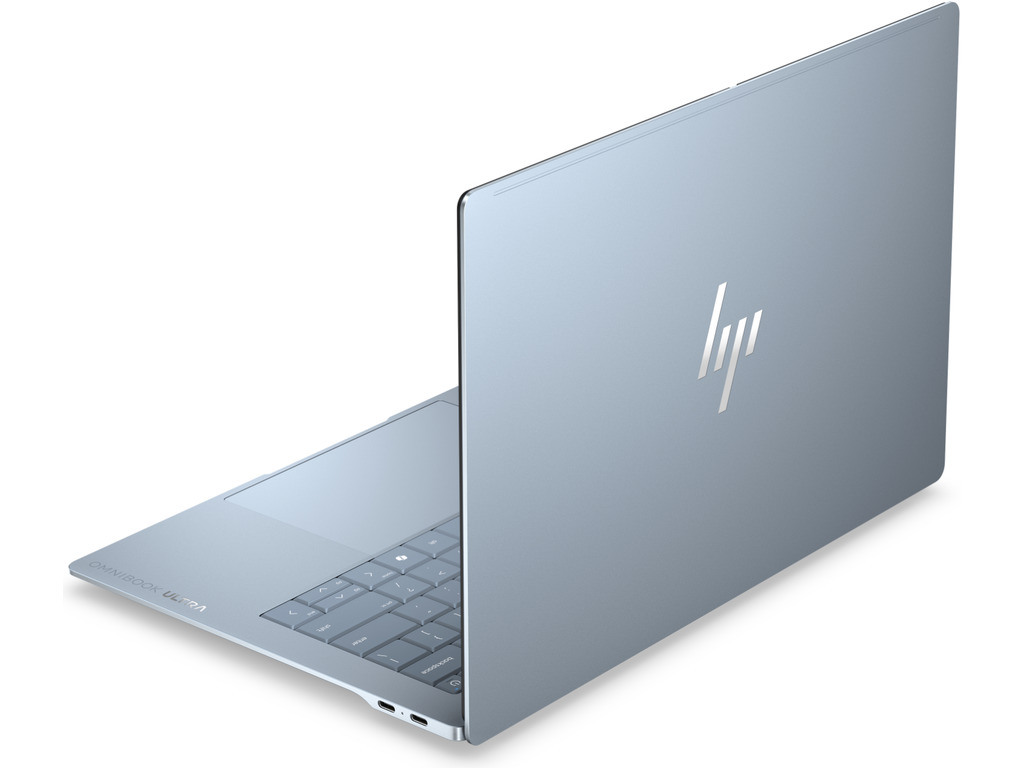
Apple has another tool in its belt to mitigate price sensitivity: It can pass on much of its price increases to carriers like Verizon and T-Mobile. These companies are offering higher trade-in credits on new iPhones because it helps them move customers onto unlimited plans that are more lucrative.
The higher promotions “largely offset Apple’s higher pricing this year,” Bank of America analysts said in a note last week.
Apple is also in a position to cater to the very high-end of the market with the Duo, which IDC expects will ship more than 17 million units by next year.
Investors haven’t had much of a problem with the higher prices. Apple’s stock is up about 26% this year, and is up 8% since launching its higher-priced phones. All the main PC makers’ stocks are also up sharply this year—and HP’s still looks especially cheap, priced at just 10 times its forward earnings.
The move toward pricier devices does come with risks, though. Apart from the added difficulty of convincing customers to upgrade, the availability of financing has become a critical factor for phone purchases. If consumers’ budgets become strained or if carriers are less willing to lend buyers a financial hand, sales could evaporate. Manufacturers are also gambling that they can fend off competition from used and refurbished devices, a market that is also growing.
With input costs soaring, though, manufacturers have little choice but to make that bet.