Oura Quietly Files for IPO as Users Revolt Over Subscription Costs, Battery Failures and Product Complaints
 David Richards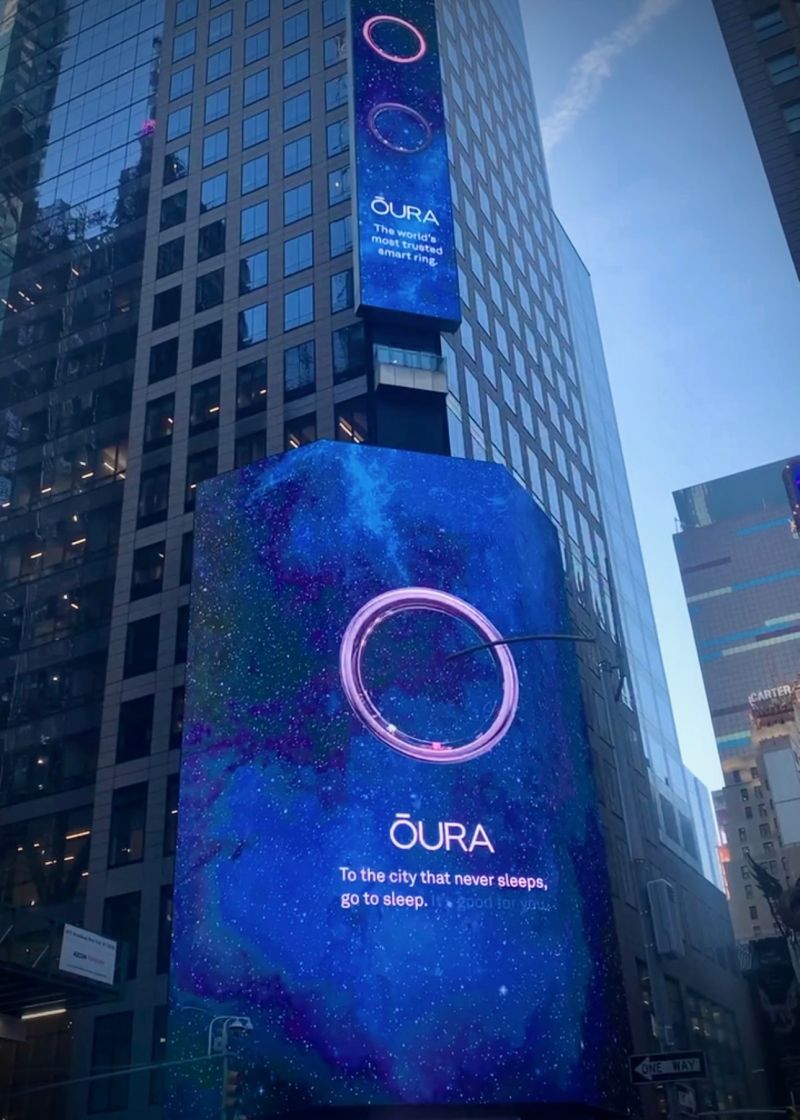
Oura Health Oy, the smart ring maker behind the problematic wearable brands has quietly filed confidential paperwork for a US initial public offering, positioning its owners and investors to potentially reap millions despite mounting consumer frustration over the company’s products and business model.
The Finnish, founded company, best known for its health, tracking rings that monitor sleep, fitness and recovery, lodged IPO documents with the US Securities and Exchange Commission in secret, with no public announcement accompanying the filing.
Why the secrecy? The company isn’t saying.
According to Bloomberg, the number of shares to be offered and pricing details have yet to be determined. Goldman Sachs, Morgan Stanley, JPMorgan Chase, Allen & Co and Jefferies Financial Group are reportedly working on the float.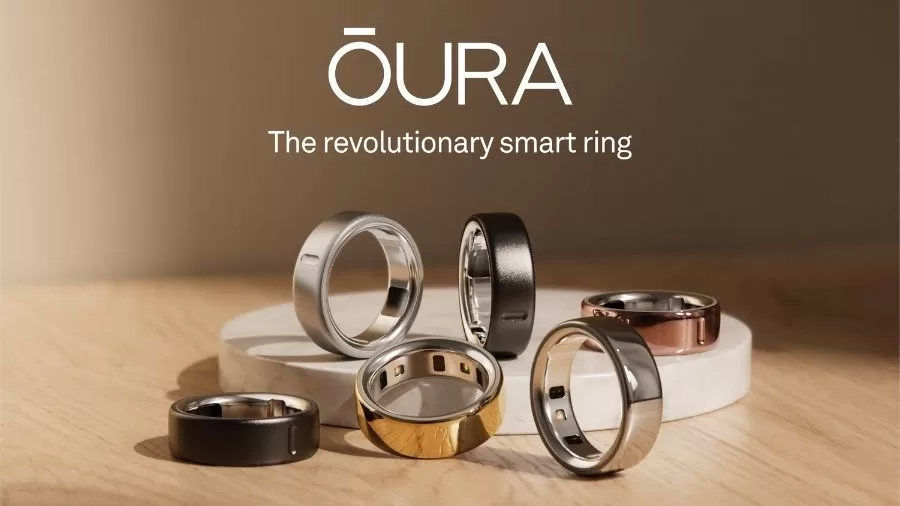
Founded in 2013, Oura operates out of San Francisco and Finland and reached a staggering US$11 billion valuation last year following an US$875 million Series E funding round.
But while investors prepare for a payday, many customers are questioning the quality and long, term value of a product that can cost up to A$695, before users are slugged with an ongoing monthly subscription fee to unlock most of the device’s functionality.
Critics claim the ring is effectively crippled without the subscription, with non, paying users limited to viewing only three basic scores and little meaningful data.
The model has drawn growing backlash from consumers who argue they are being forced into a recurring payment scheme after already paying premium hardware prices.
Oura CEO Tom Hale has defended the subscription model, claiming it funds research and development along with improved data accuracy. Many customers are unconvinced.
The complaints don’t stop there.
Across online forums and review sites, users report widespread battery degradation issues, with rings advertised as lasting up to a week on a charge deteriorating to just one or two days after months of use.
Some owners say their devices suddenly require daily charging despite initially delivering five to seven days of battery life. Others complain the ring repeatedly issues dramatic “critically low battery” warnings while still showing between 35 and 50 per cent charge remaining.
Sync failures and app glitches have also become recurring headaches for users.

Oura Ring 4.
While the device stores data locally, scores and analytics often fail to update until syncing is completed successfully. Ongoing software complaints include naps being incorrectly logged, stress tracking disappearing and Android app crashes when opening activity data.
Fitness tracking accuracy has also come under fire.
While Oura’s sleep tracking continues to attract praise, activity and workout monitoring are widely viewed as less reliable than competing devices. Strength trainers, in particular, complain the ring is uncomfortable and impractical during workouts.
Hardware durability has emerged as another flashpoint.
Users report rings that stop charging properly after only a few months, charging docks that malfunction and ring surfaces that scratch easily during normal use.
Adding to the frustration is customer support, with some consumers claiming it is almost impossible to bypass the company’s AI chatbot to reach a real person when dealing with defective hardware.
Australian customers face an additional problem, Oura has no local repair or support operation in Australia.
Despite the growing list of complaints, Oura is aggressively pushing toward public markets as investor appetite for wearable technology continues to surge.
Fitness rings remain a relatively small segment of the global wearables market compared to smartwatches, but the category is growing rapidly as consumers increasingly seek health, focused alternatives to bulky wrist devices.
The company claims momentum remains strong.
CEO Tom Hale said last September that Oura had sold 5.5 million rings globally, more than doubling the 2.5 million units sold through June 2024. The company reportedly expects revenue to hit US$1.5 billion in 2026, triple the US$500 million generated in 2024.
Whether public market investors embrace the company as enthusiastically as venture capital firms have remains to be seen, particularly as growing numbers of customers question whether Oura’s premium, priced hardware is little more than a gateway to an endless subscription stream.