OPINION: Why Chinese Government Linked Honor Smartphones Are A Risk
 David Richards
20 Nov 2025
David Richards
20 Nov 2025
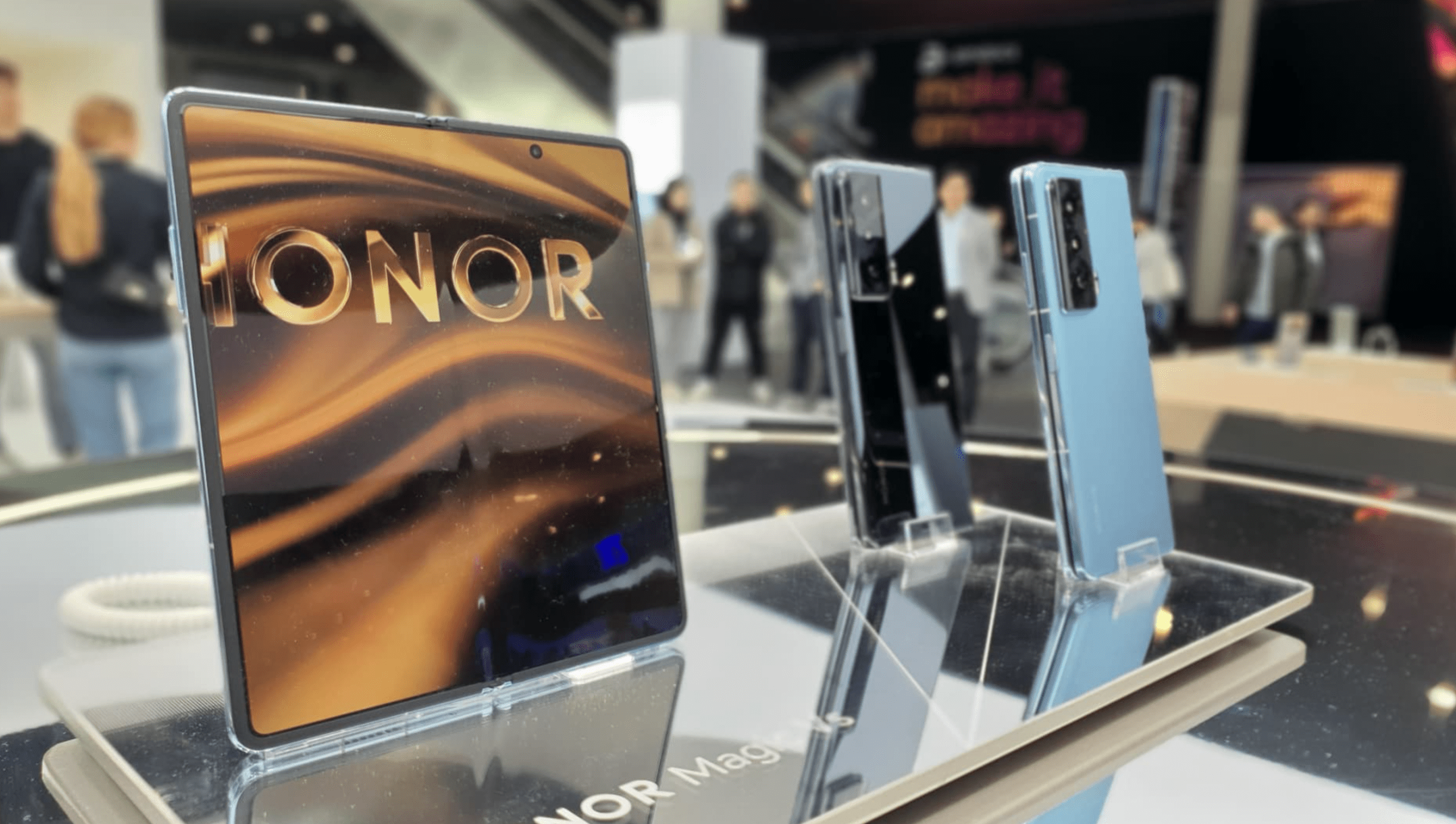
The launch of Chinese smartphone brand Honor in Australia presents significant risks for carriers and retailers, arriving at a time when concerns are being raised about mobile device certification and the lack of oversight on phones that fail to properly connect to emergency services.
These issues have prompted inquiries into Optus and TPG Vodafone following several deaths allegedly linked to emergency call failures on their networks.
While we have no knowledge of these issues with Honor smartphones we do believe that there are major risks buying a mobile device that is directly linked with a Communist Chinese State Government.
Harvey Norman—whose network provider, Optus, is already under pressure as the Australian Competition & Consumer Commission investigates the company—is preparing to stock Honor devices.
The brand’s ownership structure is contentious: Honor was once fully owned by Huawei, a company banned from Australia’s 5G and 4G infrastructure, and is now controlled by Shenzhen Zhixin, an organisation with ties to the Chinese government.
Critics argue that the company’s restructuring of Honor was designed to bypass U.S. technology restrictions imposed on Huawei.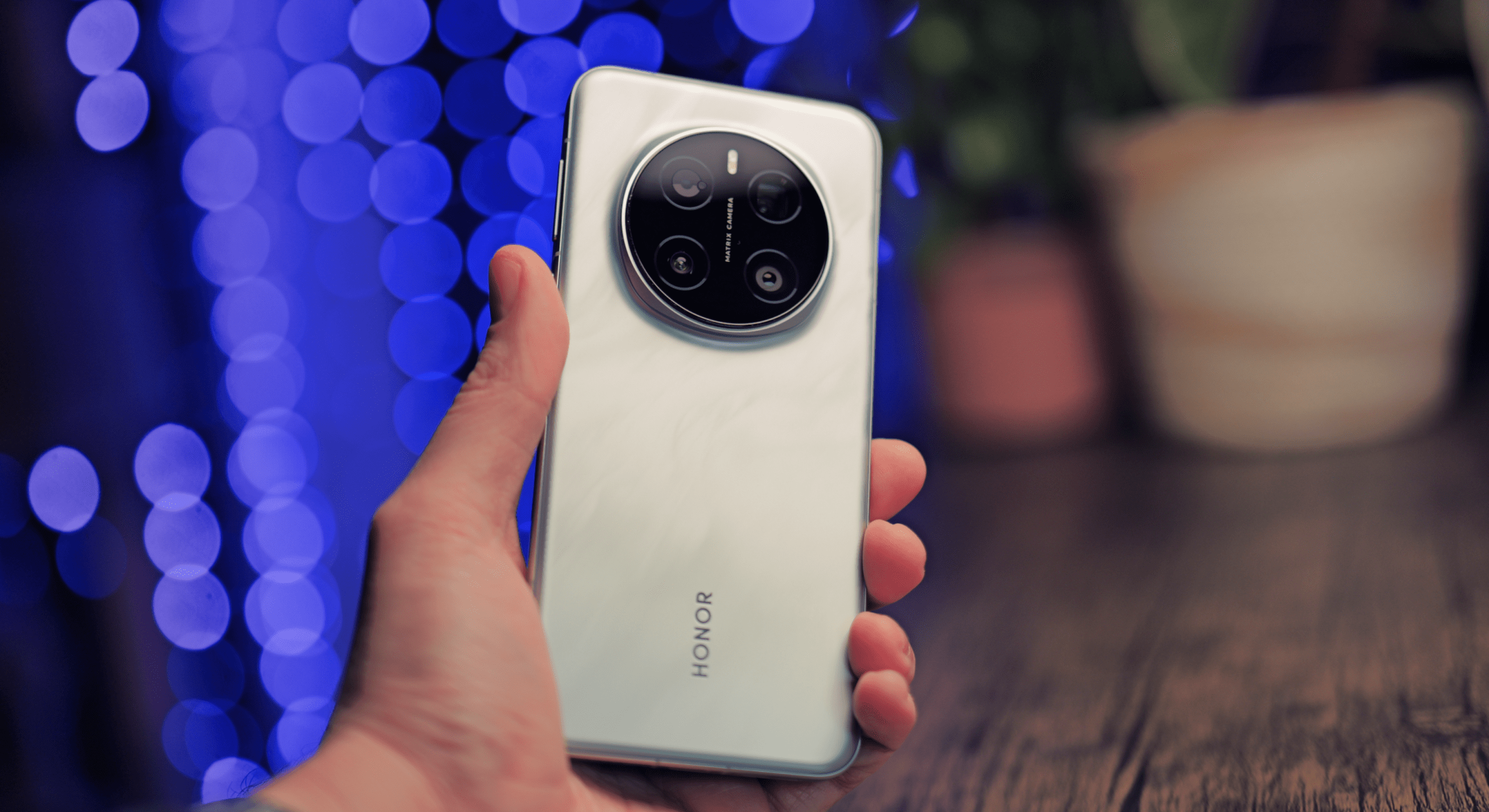
Foreign regulators, particularly in the United States, have questioned whether Shenzhen Zhixin’s government connections pose similar national security concerns to those associated with Huawei.
The Honor business was sold to a consortium led by Shenzhen Zhixin New Information Technology — a group comprising more than 30 companies connected to the Shenzhen Smart City Technology Development Group, which is controlled by the municipal government of Shenzhen under the Chinese Communist Party.
In Australia, Honor will be distributed through Shenzhen Aisidi Company another Chinese Company.
Industry insiders say Honor approached several local distributors but were unable to find a local distributor prepared to take the brand on.
Currently no major US retailers sell Honor smartphones, although some international models can be purchased through online marketplaces like Amazon in the US.
This is due to sanctions that have affected its former parent company, Huawei, Honor has had a restricted presence in the US market, which has limited its distribution in the USA where carriers are still allowing Honor devices onto their network.
One Australian government insider noted that if U.S. authorities decide Honor carries the same security risks as what Huawei did, the company could face the same supply chain constraints as Huawei.
Despite Huawei’s previous ban, Honor is set to gain direct access to Australia’s 4G and 5G networks—a development raising eyebrows within the security community.
In an ironic twist, Honor has appointed Burson as its PR agency in Australia, the same firm that previously ran global and regional communications campaigns for Huawei during its efforts to counter government restrictions.
Media organisations that criticise Huawei—or now Honor—have historically found themselves excluded from receiving company information.
Although Honor operates independently today, industry insiders argue that the company’s origins and its acquisition by a government-linked entity make future regulatory or sanctions-related risks a real possibility.
Consumers purchasing Honor smartphones connected to Australian networks may be exposed to risks should the Chinese government compel the company to introduce questionable software or system-level changes.
Open-source investigations and public reporting highlight several general risks associated with devices from manufacturers such as , including: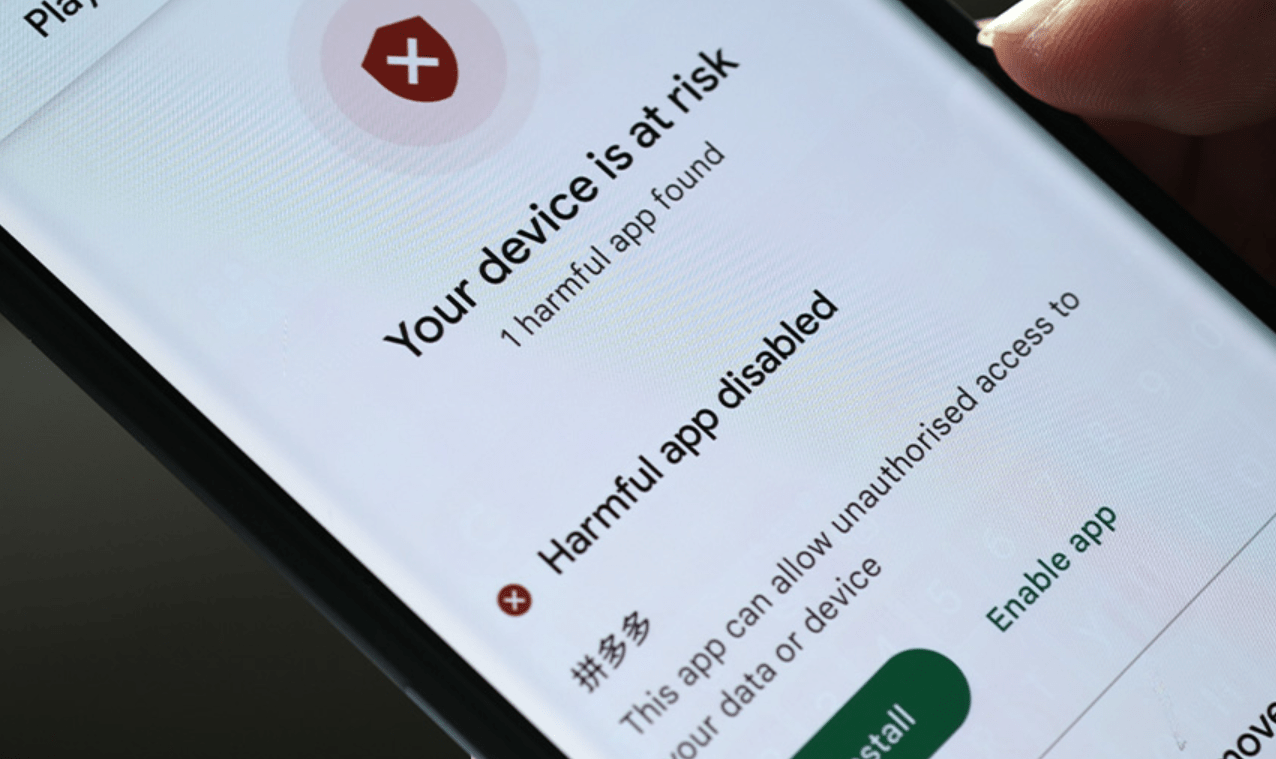
Legal Obligations to Cooperate With State Agencies
Chinese national security laws may require companies to assist government intelligence operations, creating concerns about:
Data collection beyond typical device functions
Remote access capabilities through updates
Transfer of data to servers in China, where oversight is limited
These concerns do not mean every device is used for surveillance—but the legal environment enables the possibility.
Potential Firmware or Software Backdoors
Experts warn that proprietary firmware may contain:
Hidden system-level features
Undocumented network services
Backdoor access that is difficult to detect
Closed-source firmware makes independent verification challenging.
Security Vulnerabilities and Patch Delays
Some manufacturers:
Provide slow or inconsistent security updates
Ship devices with outdated Android versions
Do not maintain older models
This increases the risk of malware, data breaches, and hacking.
Pre-installed Apps and Bloatware
Lower-cost smartphones often come with:
Preloaded apps requiring broad permissions
Persistent communication with remote servers
Embedded advertising and analytics tools
These can compromise user privacy even without malicious intent.
Former carrier executives have told ChannelNews that several devices currently sold in Australia are produced by companies with deep ties to the Chinese state. This raises ongoing concerns—perceived or otherwise—regarding data collection, transparency, and potential access vulnerabilities.
While there is no definitive public evidence that Honor devices contain backdoors, the ownership structure and geopolitical context warrant caution. Consumers should review the brand’s update policies, firmware transparency, security patch reliability, and whether the manufacturer overrides Google’s standard security protections.