Officeworks House Brand Expansion Set To Be Painful For CE Suppliers As Anko Brand Stores Opened
 David Richards
07 Dec 2025
David Richards
07 Dec 2025

Wesfarmers-owned Officeworks is accelerating its shift toward private-label products, following the strong performance of house brands in its Kmart division. In collaboration with Philippine retail giant Ayala, the Australian conglomerate has opened its first standalone Anko store in Southeast Asia — a strategic move that reflects growing confidence in the brand’s international potential.
Located in the heart of a major Philippine shopping centre, the new Anko store features bright pink signage and shelves filled with colourful merchandise spanning tableware, bedding, cosmetics, stationery, toys and more. While Wesfarmers has not announced plans to roll out similar stores in Australia, the Philippines venture highlights their expanding ambitions for the brand.
Local management reports strong early interest in products such as A$5 Christmas candles, food storage containers, pet accessories and cosmetics. The retailer aims to position Anko between 5% and 10% cheaper than Japanese competitors Muji and Nitori, both of which entered the Philippine market in 2024.
Ayala is rapidly scaling the brand across Metro Manila. The group opened its fifth store in Pasig City in November and plans to operate 10 Anko stores in the capital by the end of 2026, according to Nikkei Asia.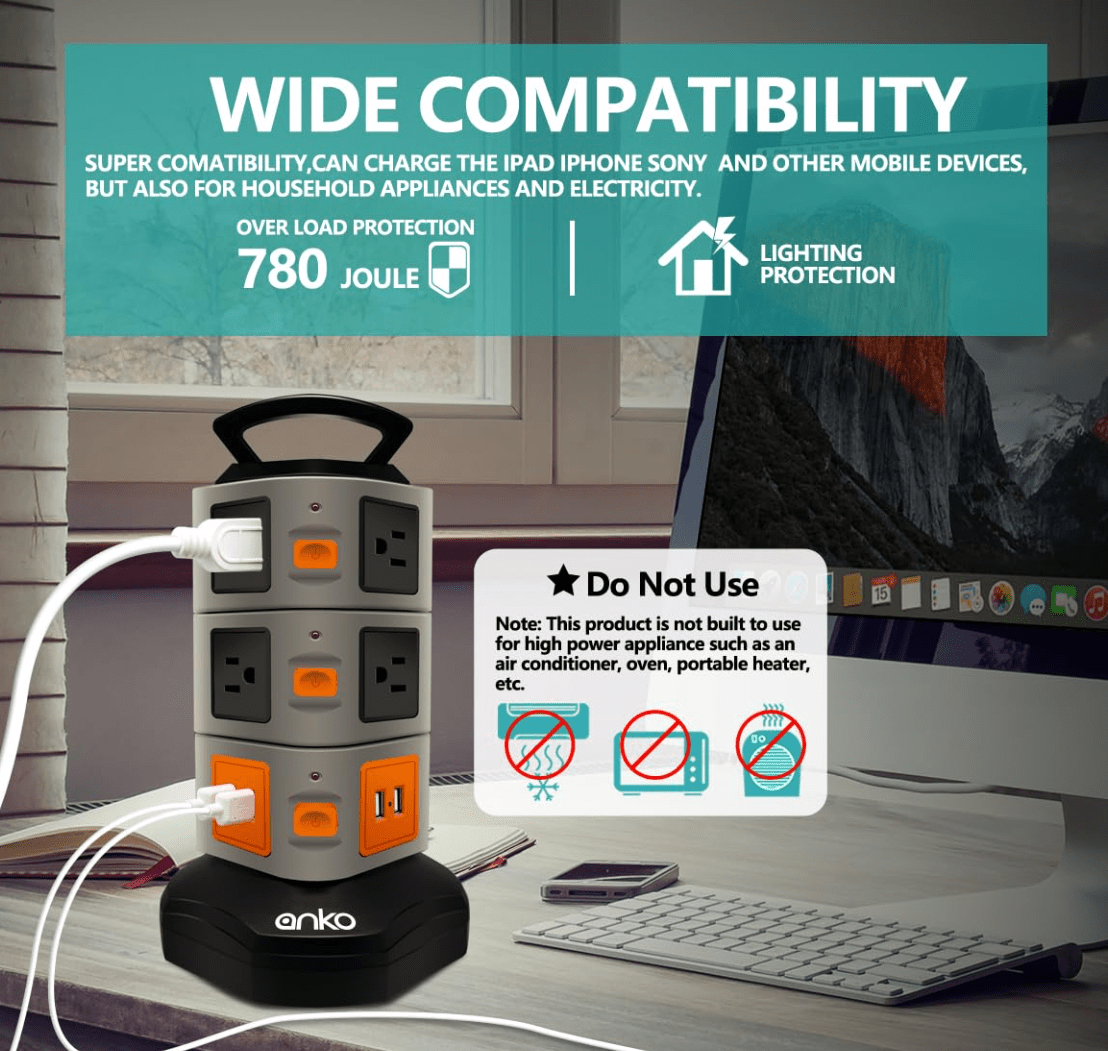
Anko is the flagship private-label brand of Kmart Australia and Target Australia — and soon Officeworks — as Wesfarmers works to reduce reliance on distributors and external suppliers. The brand spans a wide range of non-food categories including homewares, kitchenware, toys, apparel, linen, small furniture, stationery and soon consumer electronics.
Introduced to replace sub-brands such as Home&Co and Kids&Co, Anko has become dominant within Kmart. Approximately 85% of all Kmart products are now Anko-labelled. What began as a unifying internal brand has evolved into the core of Kmart’s merchandise strategy, enabling tight control over product design, supplier relationships, pricing and margins.
For Wesfarmers, Anko is not simply a private label — it is a major growth engine. Its scale across multiple product categories provides broad exposure to consumer demand while allowing the company to optimise sourcing, manage costs and streamline inventory. Anko’s success has helped reposition Kmart from a conventional discount retailer into a value-driven, design-focused chain, with its products also expanding into Target stores.
This shift has influenced other Wesfarmers businesses. Officeworks is now transitioning away from many third-party brands in favour of developing its own house branded range — a move that has contributed to restructuring within its supplier base and the departure of several senior managers.
Recognising Anko’s potential beyond Australia, Wesfarmers launched Anko Global, an initiative to supply Anko products internationally through wholesale partnerships and direct retail ventures. The Philippines partnership with Ayala is the latest in a series of global efforts. Anko-branded products have already appeared in markets including Canada (via Hudson’s Bay / Zellers), India (through Amazon and Flipkart), and various Southeast Asian retailers, with more territories expected to follow.
The international expansion model is not limited to retail stores. Wesfarmers is positioning Anko as a global sourcing and manufacturing engine, leveraging large-scale production and efficient supply chains to compete on affordability and variety. However, not all ventures have been smooth — for instance, the “Anko India” platform reportedly shut down shortly after launch, with products remaining out of stock.
Analysts say that expanding private-label brands globally is challenging. Success depends on competitive pricing, consistent supply, and the ability to adapt products to diverse consumer tastes.
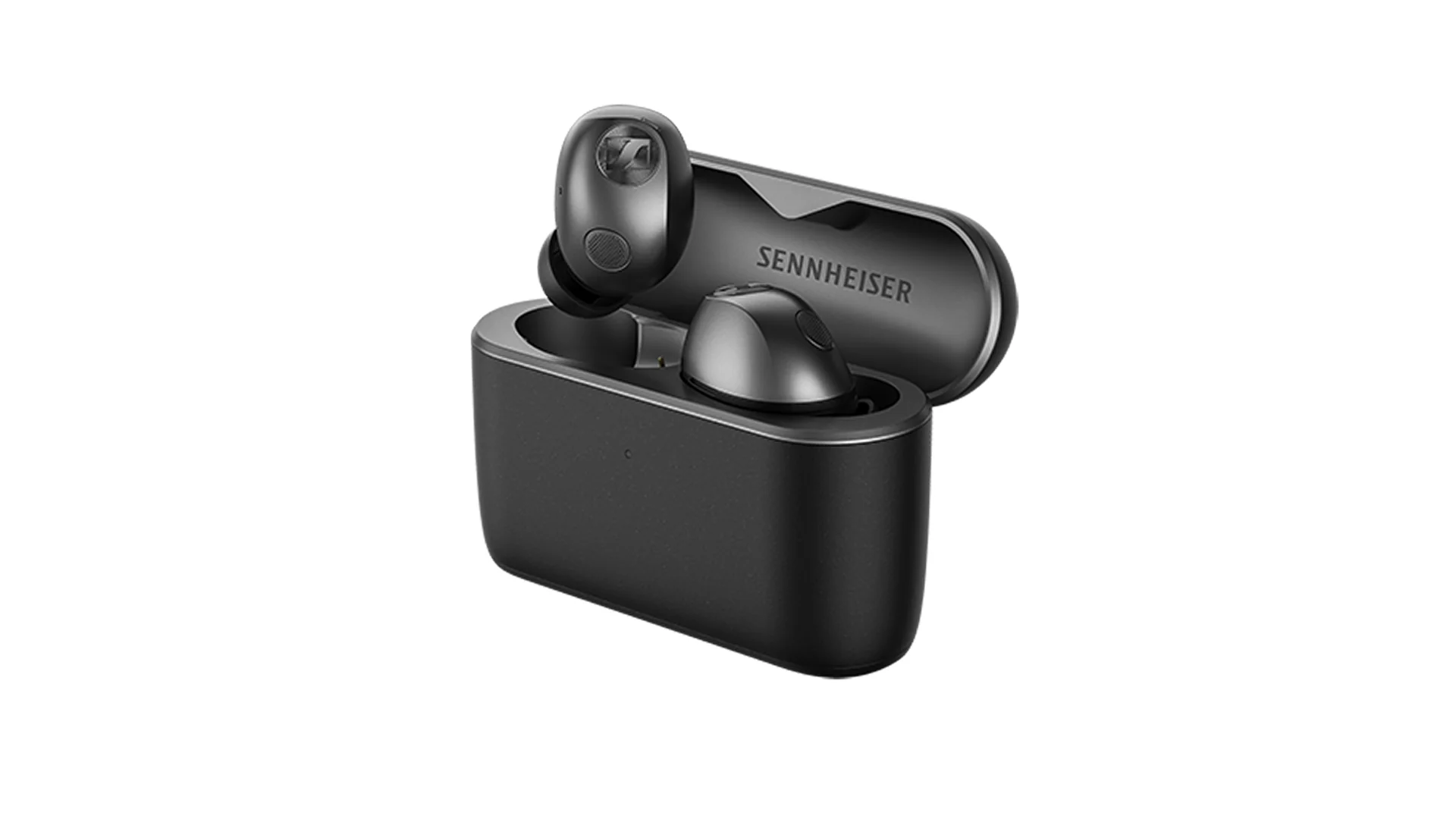
For suppliers in Australia — particularly those servicing Kmart and Officeworks — the rise of Anko has significant implications. As Wesfarmers pushes to improve margins and lessen dependence on external suppliers, several major consumer electronics vendors face reduced shelf space and contract losses.
Ultimately, Anko represents Wesfarmers’ strategy to move beyond traditional retailing toward a vertically integrated product-and-retail ecosystem. Its growing international presence signals a new direction for Australian retailers: exporting private-label brands globally using the power of scale, sourcing expertise and strategic partnerships.