Nvidia Adds A$632 Billion To Market Value In Four Days
 Varun Godinho
14 Aug 2024
Varun Godinho
14 Aug 2024
Since the start of June until earlier this month, Nvidia lost more than A$1,356 billion in stock value leading some to speculate that the AI boom was cooling. But those predictions seem shortsighted.
Now, the chipmaker’s shares have surged 17 per cent in four days, adding more than A$632 billion in market value to one of the world’s biggest companies.
Nvidia’s performance was good news for the market as a whole too, with it accounting for roughly 22 per cent of the S&P 500’s gain over that span, double the contribution of any other single stock, according to Bloomberg.
Nvidia’s latest rally – the 17 per cent must be put into context when you consider that it rallied 1,000 per cent in the 15 months prior – comes as its shares still remain down about 14 per cent from the June 18 record when it overtook Microsoft to briefly become the world’s most valuable company.
Nvidia’s quarterly earnings report is due this month. Its latest share price boom has not completely assuaged fears that tech companies are investing billions into AI technologies with not much profit to show against those investments.
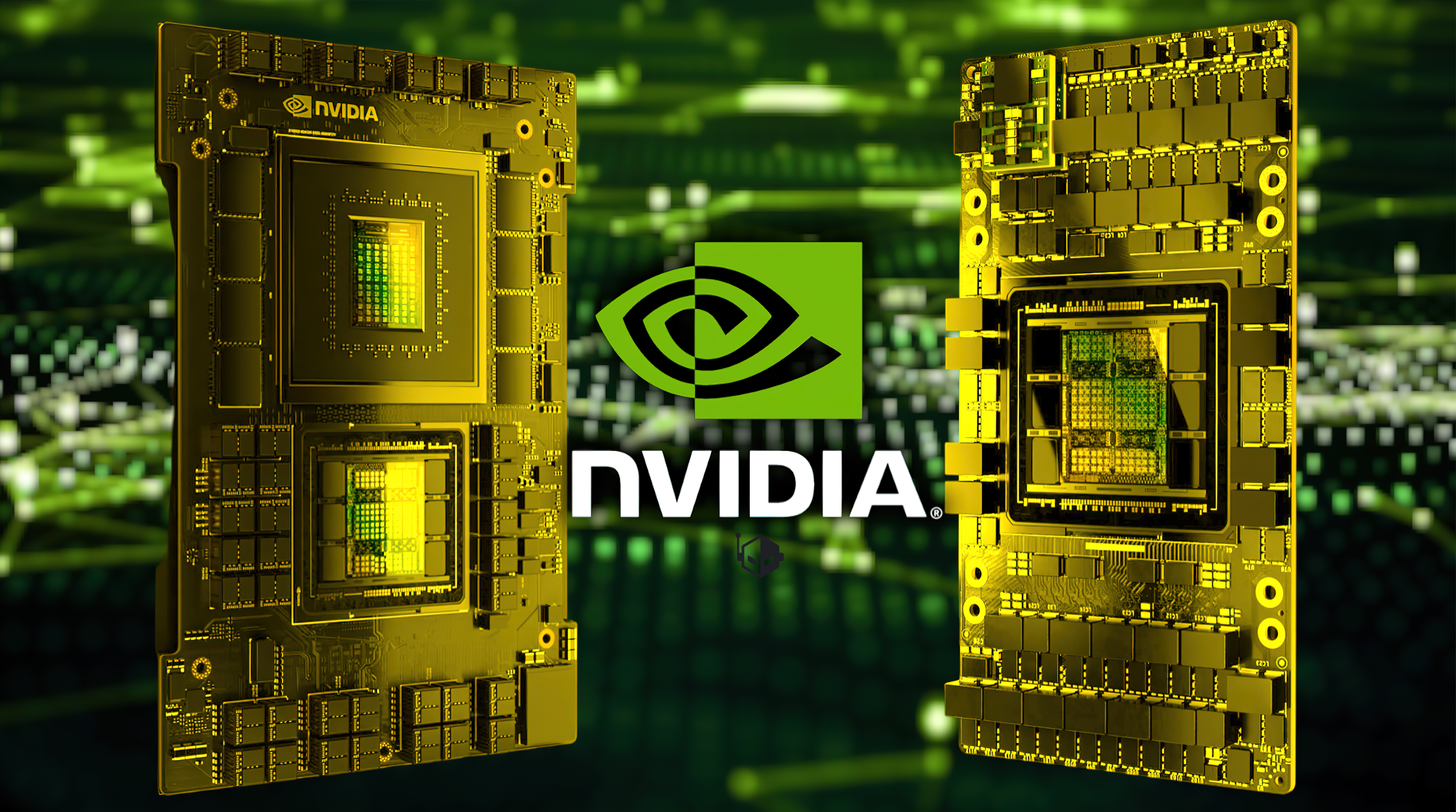
However, some of Nvidia’s largest clients including Microsoft, Amazon, Meta and Alphabet have all indicated that they plan to continue investing billions into AI infrastructure, which would mean Nvidia’s immediate future is secured.
The recent selloff had a positive outcome for some investors as it brought Nvidia’s valuation to a level that might look more appealing to them. Shares currently trade at about 36 times forward earnings, down from about 44 times in June. Overall, the Nasdaq 100 Index trades at about 25 times future earnings.
“Even if you expect competition going forward, the valuation doesn’t look expensive,” said Ivana Delevska, founder and chief investment officer of Spear Invest.
Nvidia’s Chief Executive Officer Jensen Huang recently outlined plans to put AI at the centre of the company’s technology development strategy.
The company announced a Blackwell Ultra chip for 2025 and a next-generation platform in development called Rubin for 2026.
Notably, Huang noted that the company now plans to release a new family of AI chips every year, accelerating its prior release schedule of roughly every two years.