Nvidia Taps Samsung And SK Hynix As Key AI Partners Amid Memory Race
 Joe Gallop
18 Mar 2026
Joe Gallop
18 Mar 2026

Nvidia CEO Jensen Huang has highlighted the growing importance of Samsung Electronics and SK hynix in the global AI supply chain, as both chipmakers showcased next-generation memory technologies at the company’s GTC 2026 conference.
The spotlight at this year’s event in San Jose fell on high-bandwidth memory (HBM) – a critical component underpinning modern AI systems – with both Korean giants positioning themselves as key enablers of Nvidia’s next wave of infrastructure.
Samsung used the conference to debut its latest HBM4E chip, capable of speeds up to 16Gbps per pin and bandwidth of 4TB/s. The company also highlighted its broader “total solution” strategy, offering memory, storage and foundry services for Nvidia’s upcoming Vera Rubin AI platform.
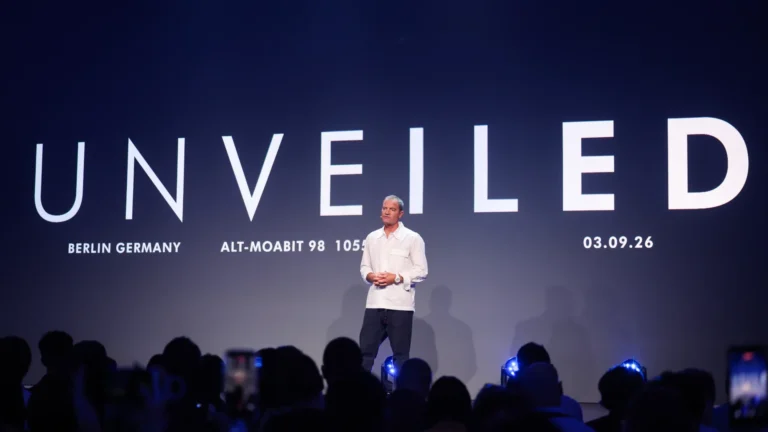
Huang (pictured) publicly acknowledged Samsung’s role in manufacturing the Groq 3 language processing unit (LPU), an inference-focused chip set to ship in the second half of 2026.
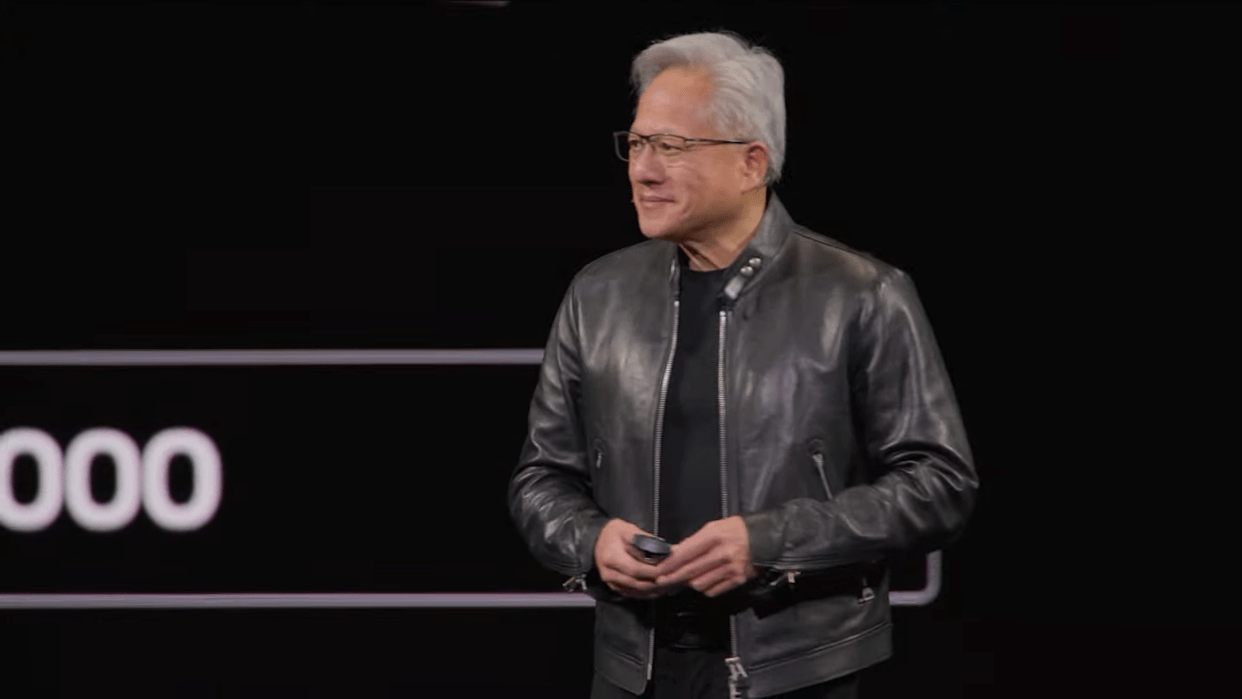
“I want to thank Samsung… they’re cranking as hard as they can,” Huang said during his keynote.
Meanwhile, SK hynix reinforced its position as a dominant supplier of AI memory, showcasing its HBM3E and next-generation HBM4 products already deployed in Nvidia GPUs. The company also demonstrated a liquid-cooled enterprise SSD developed with Nvidia, alongside systems featuring its LPDDR5X memory.
SK Group chairman Chey Tae-won (pictured below) used the event to flag a potential US listing via American depositary receipts (ADRs), aimed at attracting global investors. He also warned that a global memory chip shortage could persist until 2030 due to ongoing supply constraints.
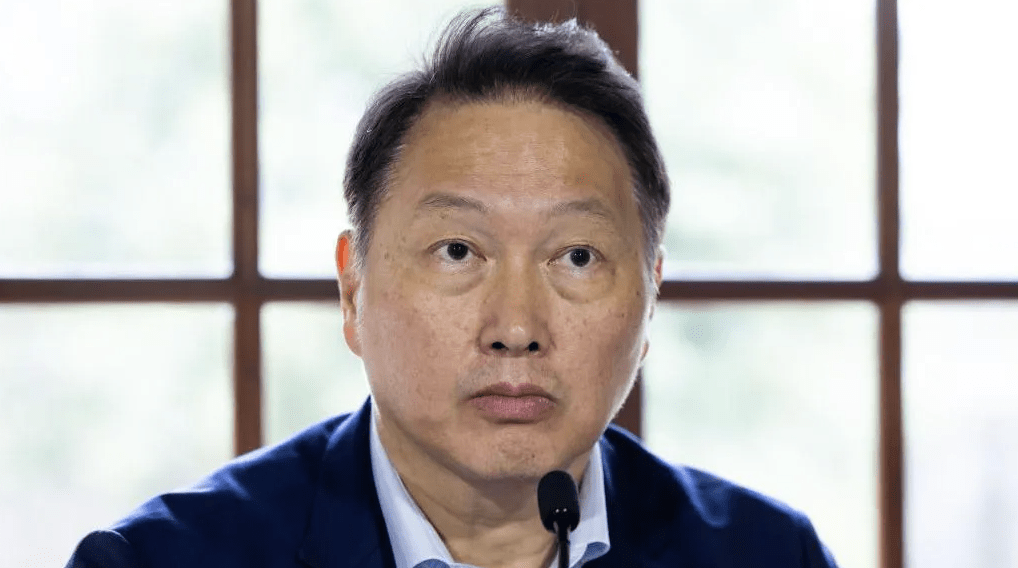
“Securing additional wafer capacity takes years,” Chey said, noting demand continues to outstrip supply by more than 20%.
The rivalry between Samsung and SK hynix is intensifying as AI infrastructure demand surges, with both companies vying for dominance in the lucrative HBM segment.
For Nvidia, the partnerships are strategic. As AI workloads scale rapidly, memory performance has become a key challenge – elevating suppliers from commodity providers to critical ecosystem partners.
With next-generation AI platforms such as Vera Rubin approaching launch, competition in memory technology is emerging as key battleground in the global semiconductor race.