Norway Moves To Restrict Smart Glasses Amid Growing Privacy Fears
 Emma Wheaton
07 Oct 2026
Emma Wheaton
07 Oct 2026

As Samsung moves to launch its first AI-powered smart glasses with built-in cameras, Norway has taken to banning smart glasses.
The emerging wearable category is facing growing scrutiny over privacy, with Norway moving towards temporary restrictions on the use of camera-equipped glasses in public places.
The Norwegian government plans to propose a temporary ban covering the use of AI glasses in a range of locations that includes parks, beaches, shopping centres, museums, schools, healthcare facilities, gyms and public events. The proposal is aimed at preventing people from being photographed, filmed or recorded without their knowledge.
Norwegian Digitalisation Minister Torgeir Micaelsen said the government was concerned about new technologies being introduced in situations where people traditionally expect not to be monitored.
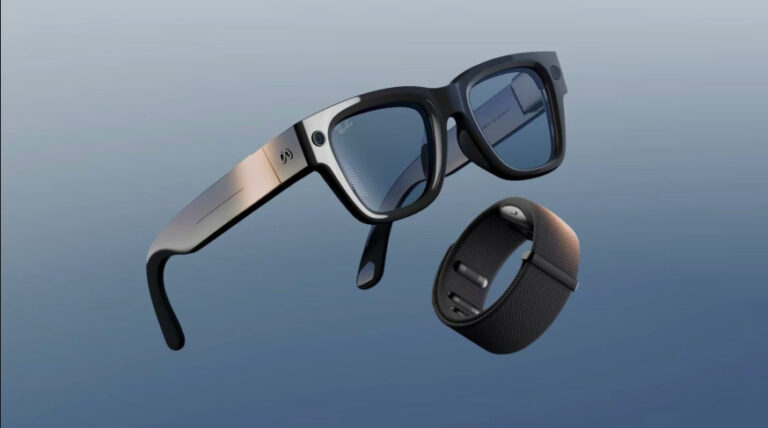
The proposed restrictions would not amount to a blanket ban on smart glasses. Private use would be permitted, while the government is also considering exemptions for vulnerable groups and socially beneficial uses. Norway plans to establish an expert group to examine the technology and help develop rules for the long term.
The move highlights the growing regulatory challenge facing technology companies as smart glasses evolve from simple connected eyewear into AI-powered devices capable of capturing images, recording audio, accessing digital assistants and, increasingly, interacting with surroundings.
Samsung is preparing to enter that market with its first AI smart glasses, developed with Google and built around the Android XR platform. The glasses are expected to launch in November and will use cameras and microphones alongside Google’s Gemini AI, with the processing connected to a Galaxy smartphone.

Meta’s Ray-Ban smart glasses have helped drive mainstream adoption of camera-equipped eyewear. Addressing the privacy concerns, the company says its glasses feature a visible LED that indicates when the camera is recording and that the camera is disabled if the indicator is covered or tampered with.
However, those safeguards have not stopped privacy concerns from escalating.
Norway’s proposed restrictions come as part of a wider international debate continues. Britain has also introduced restrictions on camera-equipped smart glasses in some settings, while cinemas have moved to restrict their use over privacy as well as film-piracy concerns. In the US, however, California recently rejected legislation that would have imposed additional penalties for secretly recording people with smart glasses in private settings.
Australia is also grappling with the issue. The federal government is considering restricting camera-equipped smart glasses in government workplaces, while there are also concerns around the use of consumer smart glasses in public facilities.
While smart glasses promise hands-free access to AI, translation, photography, calls and other functions, their ability to capture the world around the wearer creates a privacy problem that traditional smartphones do not face in quite the same way.
As Samsung prepares to join the growing market, and other companies continue to develop and produce their smart glasses devices, the challenge will be in convincing consumers of their convenience while reassuring that everyday public spaces are safe from being recorded without peoples’ knowledge.