Musk’s SpaceX Takes On Australian Regulators In Battle For Satellite Smartphone Market
 David Richards
10 Nov 2026

Elon Musk’s SpaceX is stepping up pressure on Australian communications regulators to open up valuable satellite spectrum, as the rapidly expanding Starlink operator looks to connect ordinary smartphones directly to satellites, bypassing traditional mobile towers in coverage black spots.
The move if succesful could be a boom for carriers and the likes of JB Hi Fi and Harvey Norman as consumers upgrade to satellite capable smartphones.
At the centre of the dispute is the Australian Communications and Media Authority (ACMA), which has yet to finalise how critical spectrum will be allocated, despite existing authorisations involving rival satellite operators including Amazon, Iridium and Inmarsat.
The delay is becoming increasingly contentious as Australia prepares to introduce its new Universal Outdoor Mobile Obligation (UOMO) in December 2027, which is designed to extend mobile connectivity into areas currently beyond the reach of terrestrial networks.
SpaceX wants access to the 2GHz mobile satellite service spectrum, which could play a critical role in allowing Australians to make calls, send messages and potentially access mobile data directly through satellites.
The technology could dramatically change the Australian telecommunications market, particularly in regional areas where Telstra, Optus and TPG Telecom have struggled to provide reliable coverage.
It could also provide an alternative communications service during major network outages and natural disasters.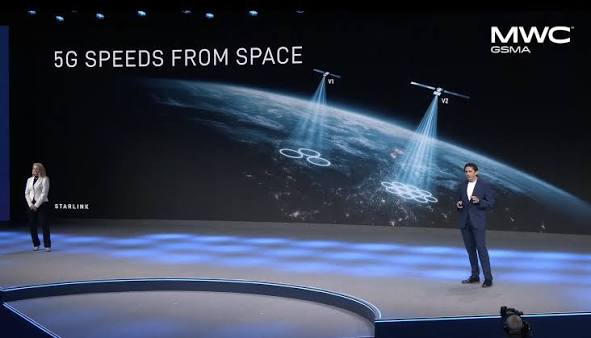
The battle has intensified following a visit to Australia this month by David Goldman, SpaceX’s vice president of satellite policy, who has called for a consistent regulatory approach that would allow satellite operators to invest in direct-to-device technology.
Goldman told The Australian that Australians should be able to remain connected wherever they are, while having greater choice of communications providers.
“Direct-to-device technology adds another layer of resilience by allowing existing mobile phones to connect via satellite when terrestrial coverage is unavailable – whether that’s in a regional mobile black spot or when an outage or natural disaster disrupts ground-based infrastructure,” Goldman said.
He argued that consistent spectrum authorisations would encourage investment, competition and better consumer outcomes.
“The priority should be getting this technology into the hands of Australians as broadly and efficiently as possible, with a framework that allows mobile operators across the market to benefit.”
Questions Over ACMA Spectrum Allocation
The intervention raises fresh questions about how ACMA intends to allocate satellite spectrum and whether its existing licensing arrangements could provide established operators with an advantage over new entrants.
SpaceX is particularly interested in the 2GHz band, which is regarded as an important potential resource for direct-to-device satellite communications.
However, ACMA has yet to reach a final decision on future licensing arrangements.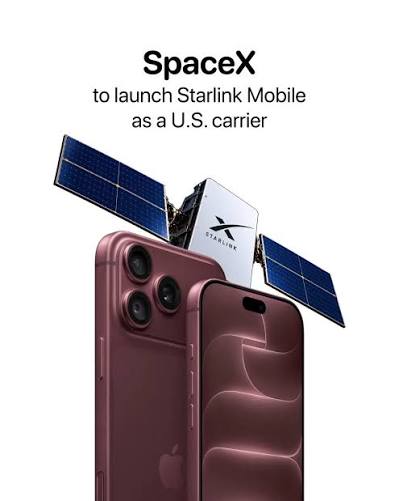
The regulator maintains that further consultation is required before it determines how the spectrum should be allocated and under what conditions.
“We are continuing to consider future licensing and allocation arrangements, including the issues raised by stakeholders since our previous consultation process,” an ACMA spokesman said.
The regulator has indicated that the spectrum allocation process will be completed ahead of the introduction of the Universal Outdoor Mobile Obligation.
“Submissions received through that process, including views on allocation, competition and appropriate licence conditions will inform the ACMA’s next steps,” the spokesman said.
ACMA also believes satellite connectivity will eventually extend beyond the 2GHz band.
“While the 2GHz MSS (mobile satellite service) spectrum is likely to be important for the delivery of the UOMO in the short term, the ACMA anticipates that satellite services will be able to use multiple spectrum bands into the future, including bands already licensed to satellite and terrestrial service providers.”
For SpaceX, the outcome could determine how quickly it can expand its direct-to-device services in Australia.
The company is already building its Starlink customer base locally and sees satellite-to-smartphone connectivity as a significant opportunity to expand beyond its existing broadband business.
Telstra And Optus Face New Satellite Challenge
Despite its ambitions, SpaceX insists it is not planning to replace Australia’s established mobile networks.
Instead, the company says it wants to work with existing operators to extend their coverage into areas where traditional mobile infrastructure is unavailable.
“Satellite connectivity is not a replacement for terrestrial networks; it complements them by providing another way for Australians to stay connected when they need it most,” Goldman said.
That position could be welcomed by Telstra, Optus and TPG Telecom, which face the prospect of satellite operators gaining greater influence over how Australians access mobile services.
In the United States, SpaceX initially partnered with T-Mobile to introduce satellite connectivity designed to eliminate mobile dead zones.
The arrangement also placed pressure on rival operators Verizon and AT&T as satellite connectivity emerged as a potential competitive advantage.
However, the development of direct-to-device technology has also raised questions about how satellite operators and traditional telecommunications companies will share customers, infrastructure and revenue.
In Australia, SpaceX is positioning its satellite network as a complementary service rather than a direct replacement for terrestrial mobile infrastructure.
The commercial implications remain significant.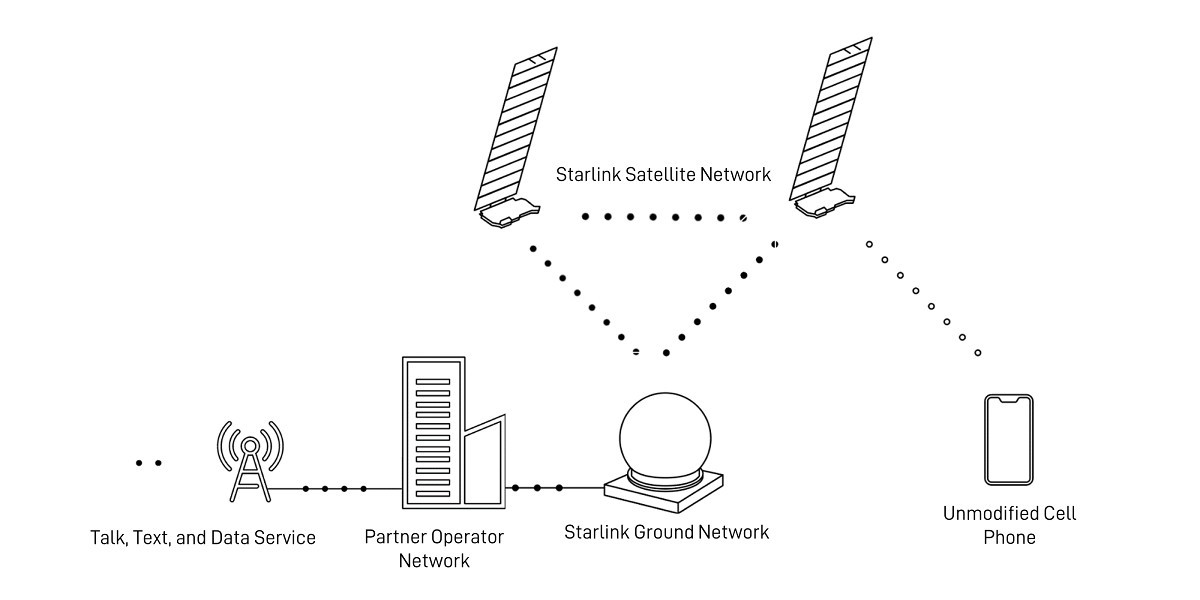
As satellite connectivity becomes more sophisticated, mobile carriers could face increasing pressure to offer nationwide coverage beyond the reach of their existing towers.
Network Outages Strengthen SpaceX’s Argument
SpaceX’s push comes as Australia’s major telecommunications operators face renewed scrutiny over network reliability, particularly failures affecting emergency communications.
Optus faces potentially substantial penalties following regulatory action connected to a September 2025 outage that disrupted emergency calling services and was linked to two deaths.
Telstra has also faced criticism following a July incident in which a software upgrade disrupted its network and affected hundreds of triple-zero calls.
These incidents have highlighted the vulnerability of communications networks that rely heavily on terrestrial infrastructure.
For SpaceX, they provide a powerful commercial argument for satellite connectivity that can operate independently of damaged or unavailable mobile towers.
Satellite services could provide an additional communications pathway during natural disasters, major network failures and emergencies in remote areas.
However, their effectiveness will depend on factors including handset compatibility, spectrum access, satellite capacity and the availability of emergency calling capabilities.
Amazon And Rival Satellite Operators Also In The Race
SpaceX is not the only company seeking a greater role in Australia’s satellite communications market.
Amazon is developing its competing satellite broadband network and has already established a relationship with the government-owned National Broadband Network operator, NBN Co.
Other satellite communications businesses, including Iridium and Inmarsat, also have existing spectrum arrangements.
The growing number of satellite operators is increasing pressure on regulators to establish a framework that supports competition without compromising existing services.
For ACMA, the challenge is determining how valuable spectrum should be shared between competing satellite and terrestrial operators.
For SpaceX, the immediate priority is securing the regulatory certainty needed to expand its direct-to-device network.
The outcome could have significant implications for Australia’s telecommunications industry, with satellite connectivity increasingly capable of extending services into areas where traditional mobile operators have been unable to provide reliable coverage.
With the December 2027 deadline approaching, ACMA’s spectrum decision could determine which satellite operators gain an early advantage in the next phase of Australia’s mobile communications market.