Motorola Makes Global Push at FIFA World Cup 2026, But Local PR Fails To Tell Anyone
 David Richards
15 Jun 2026
David Richards
15 Jun 2026
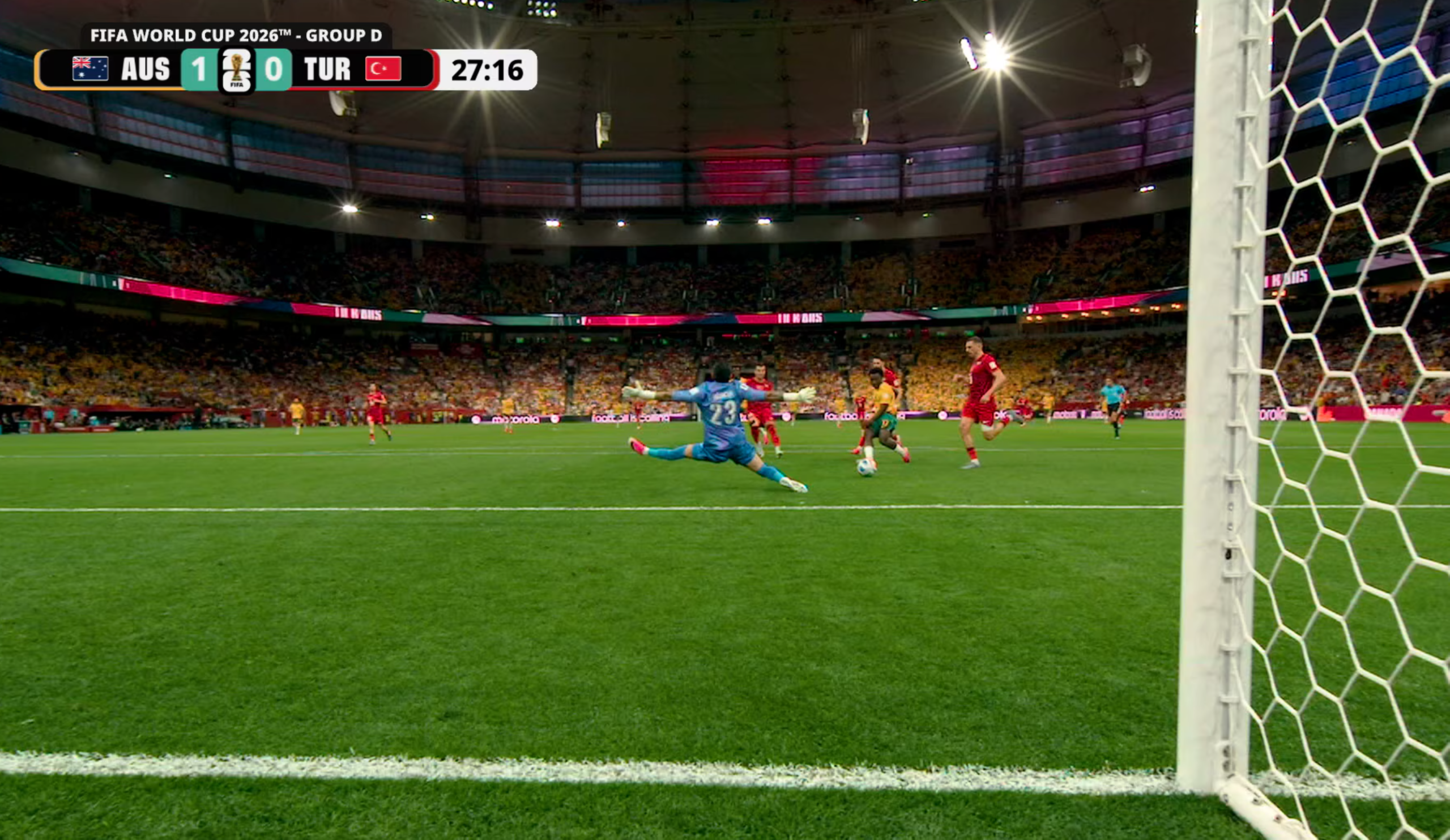
Motorola is one of the most visible brand sponsors at the 2026 FIFA World Cup being played across the United States, with the company’s branding appearing pitch side during multiple matches including the recent Australia vs Turkey game, yet the Company’s Australian PR operation has remained largely silent on the landmark sponsorship.
The Motorola presence is underpinned by a broader multi-brand deal struck by its parent company, Lenovo, which has secured the top-tier designation of Official Technology Partner of the tournament that is said to be worth tens of millions in sponsorship.
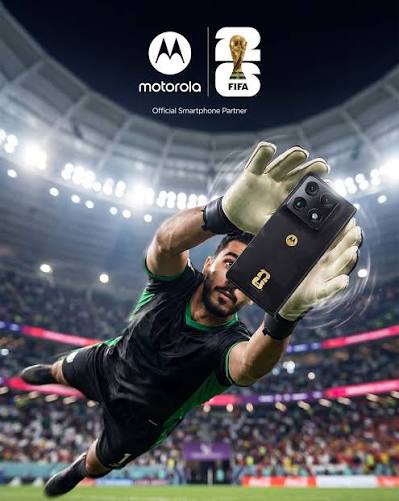
Under that arrangement, Motorola has been designated the Official Smartphone Partner of FIFA World Cup 2026, a deal analysts say punches both brands ahead of rival technology competitors on the global stage.
The partnership is operational, not merely cosmetic. More than 17,000 Motorola smartphones, alongside Lenovo ThinkPad laptops and tablets, have been deployed across host venues, training sites, and Team Base Camps, used by FIFA staff, tournament organising committees, and all 48 competing national teams for operations, logistics, and real-time communication.
Lenovo’s infrastructure footprint extends further, with the company running servers at the International Broadcast Center in Dallas and operating a Technology Command Center in Miami to manage AI broadcast feeds and crowd management systems. Sports business analysts estimate the top-tier Lenovo global package, which covers both the 2026 Men’s World Cup and the 2027 Women’s World Cup in Brazil, represents a nine-figure USD investment.
Hisense is also among the tournament’s official sponsors, with the TV and appliance brand integrated into display technology and VAR review operations using its RGB MiniLED screens.
Motorola has used the World Cup as a vehicle for dedicated hardware launches, headlined by the motorola razr FIFA World Cup 26th Edition and the motorola edge 70 fusion, both featuring exclusive tournament branding, custom wallpapers, and the official World Cup jingle as a native ringtone. Colombian music artist J Balvin has been signed to front the company’s “Football is Calling” marketing campaign, with limited-edition fan experiences tied to the partnership.
The company has also rolled out custom AI camera features for the tournament, including a smart watermark tool that automatically detects a fan’s jersey colour to stylize photos.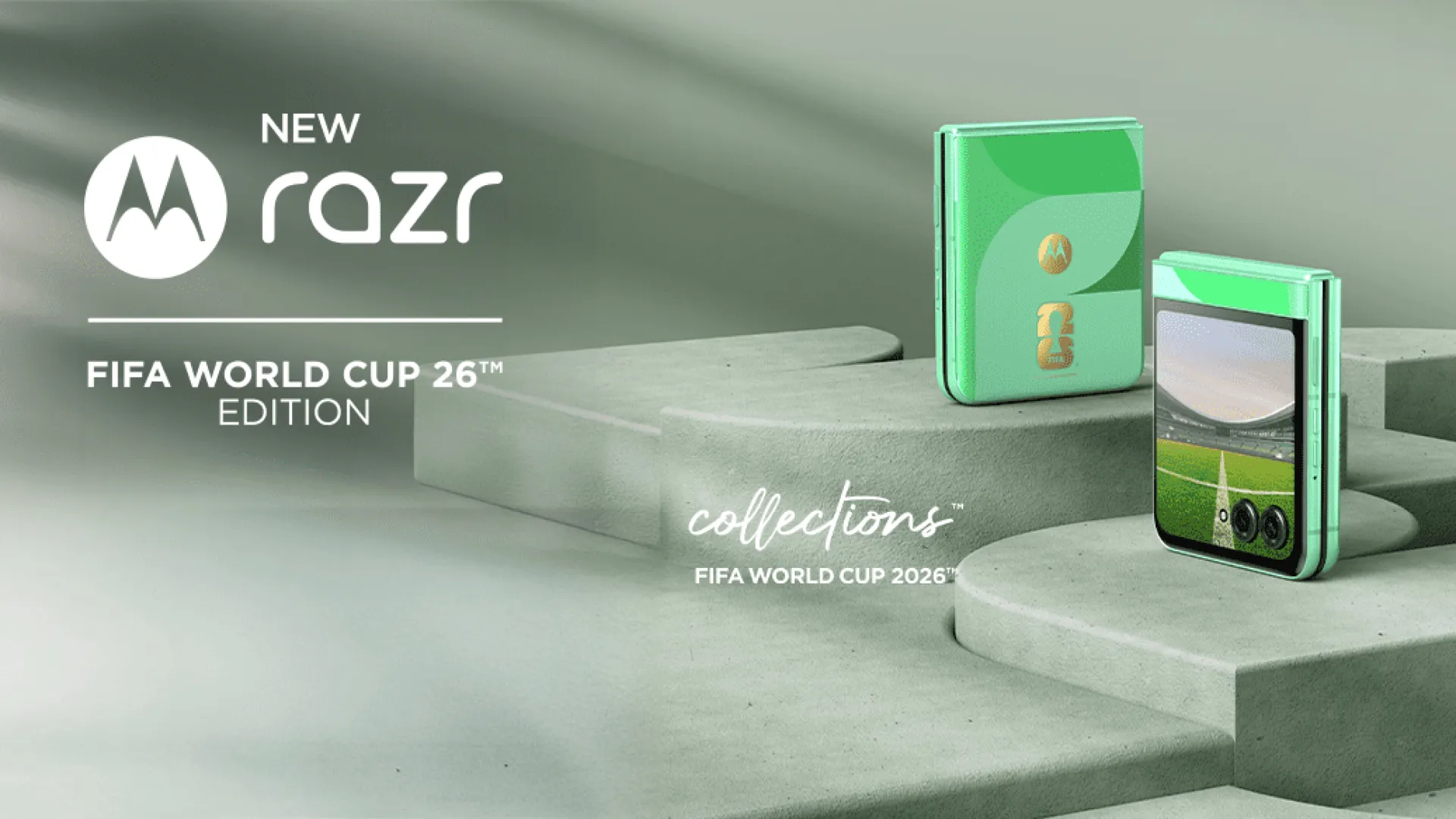
Premium Push and Margin Pressure
Beyond the World Cup activation, Motorola is pursuing an aggressive premiumisation strategy in 2026, leaning into foldables, design-led materials, and wearables in a direct challenge to Apple and Samsung. Its Edge 70 Pro and “Brilliant Collection” devices have moved away from standard plastic and aluminium frames in favour of materials including wood, wool, and Swarovski crystal integrations, alongside continuing Pantone colour partnerships.
The company is also expanding its wearables footprint with the 2026 Moto Watch, featuring health tracking powered by Polar’s fitness algorithms, and broadening its foldable range beyond the clamshell Razr into larger book-style form factors with the Razr Fold.
In Australia, Motorola is expected to push heavily into the foldable segment, supported by a premium accessories ecosystem including the Pen Ultra stylus and the Moto Tag 2, which features ultra-wideband and Google Find Hub integration.
The premiumisation drive, however, is being complicated by a global memory supercycle that has sharply driven up the cost of DRAM and NAND flash components. Motorola has responded by raising retail prices across its 2026 Razr lineup and reusing last year’s processors in some mid-tier variants, a compromise that leaves those devices exposed to performance comparisons against lower-cost competitors deploying the same approach.
Motorola has completely shifted its playbook in Australia, executing what local retail insiders call a full-scale brand relaunch.
Historically known for ruling the budget and mid-tier brackets, Lenovo-owned Motorola is now aggressively moving upmarket to challenge Apple, Samsung, and a resurgent Oppo in the premium space.
The strategy is yielding strong momentum, though the brand faces stiff headwinds as component price cycles put pressure on the market.
Today the Chinese owned Motorola is one of the fastest-growing smartphone brands in the local market.
According to IDC data Motorola’s Australian market share grew 10% over the last year, anchored by a sharp 17% spike in the early months of 2026.
This local surge contrasts with its global position, where it sits in 9th place with roughly 3% market share.
Australia has become a key battleground where its premium strategy is actively gaining traction.
In late March, Praveena Raman (Head of Motorola ANZ) announced the brand’s most expansive and premium lineup to date, pivoting heavily on design aesthetics, high-profile collaborations, and top-tier hardware specs.
│
┌───────────────────────┼───────────────────────┐
▼ ▼ ▼
Motorola Signature Edge 70 Series Moto G67
Ultra-Premium ($1,499) Premium/Slim ($699-$1,099) Budget/Mid ($499)
The Ultra-Premium Play (Motorola Signature)Retailing at $1,499 AUD, the new Motorola Signature is a direct shot at the Samsung Galaxy S26 and Apple iPhone 17 Pro. It targets the “premium elite” by undercutting them on price while boasting leading specs: