Microsoft’s A$121 Billion Xbox Gamble Unravels As More Jobs Axed And Studios Closed
 David Richards
23 Sep 2026
David Richards
23 Sep 2026

Microsoft’s massive bet on gaming is unravaling with thousands of jobs disappearing, studios being closed or restructured and Xbox revenue declining after the technology giant spent more than A$120 billion buying some of the industry’s biggest gaming businesses.
Last nights latest cuts is being seen as a desperate attempt by the US software Company to bring costs under control after poor management decisions.
Microsofts CEO Satya Nadella, has suddenly gone quiet on the drama’s unfolding at his Company despite being one of the architects of the failed strategy. 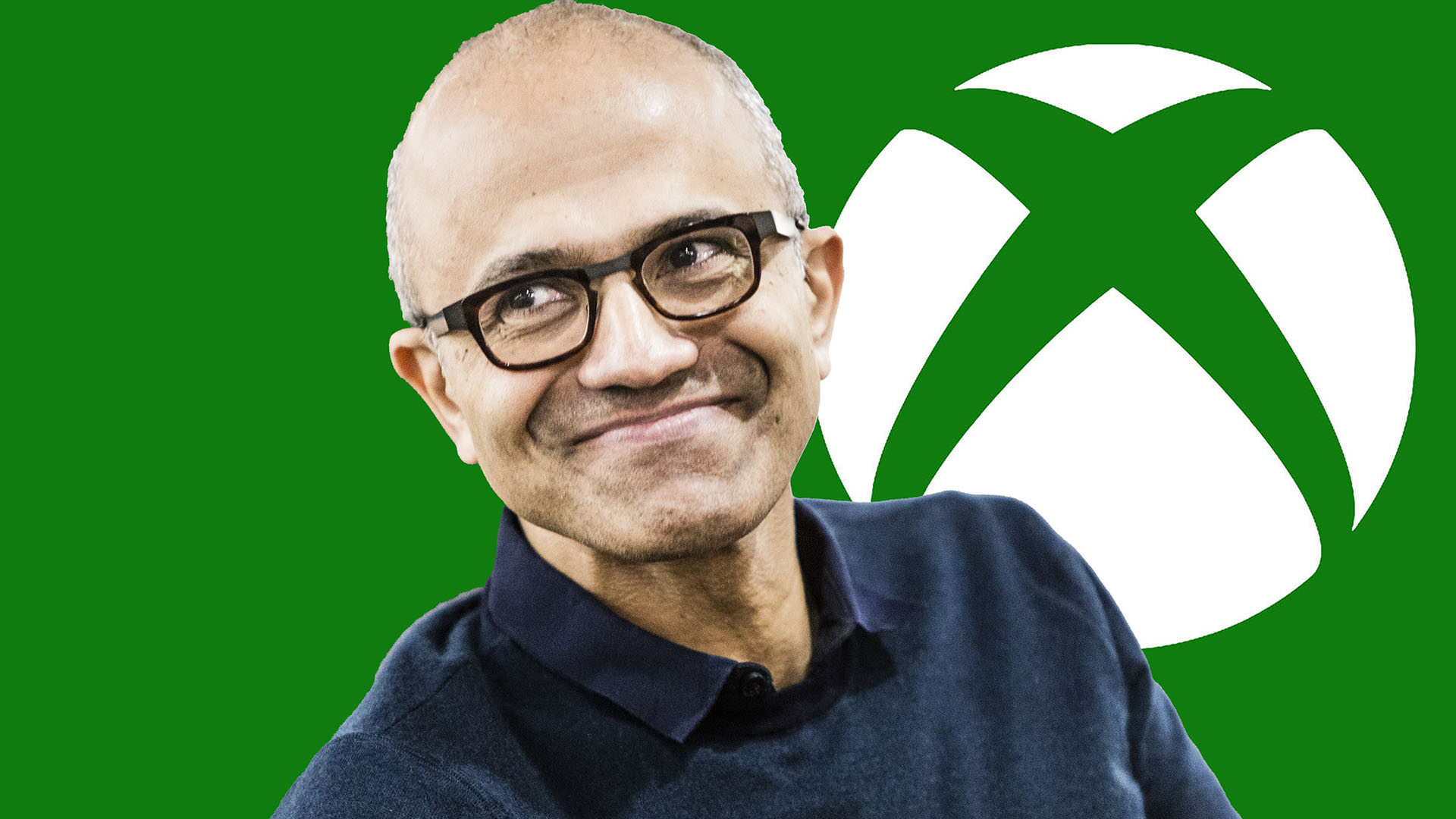
At the centre of the problem is Microsoft’s blockbuster acquisition of Activision Blizzard, owner of Call of Duty, Warcraft, Diablo and Candy Crush.
Microsoft’s accounts put the total purchase price for Activision Blizzard at US$75.4 billion, equivalent to approximately A$106 billion at current exchange rates.
Add the US$8.12 billion Microsoft paid for Bethesda parent ZeniMax Media and US$2.5 billion for Minecraft developer Mojang and Microsoft has spent approximately A$121 billion on just three major gaming acquisitions.
That figure doesn’t include billions more invested in Xbox hardware, Game Pass, cloud gaming, game development and a string of smaller studio acquisitions.
Now Microsoft is radically restructuring the gaming empire it spent years building.
The latest changes include another 268 Xbox job cuts following 1,600 layoffs in July, with Microsoft’s FY27 restructuring expected to affect thousands of Xbox positions.
More significant is what Microsoft is doing with the studios and franchises it accumulated during its acquisition spree.
Activision is taking a greater role in Microsoft’s gaming operations, including development involving Halo, the franchise synonymous with Xbox since Microsoft’s first console launched in 2001.
Microsoft is also consolidating development operations, while several studios accumulated during the expansion of Xbox have either been closed, spun out, sold or subjected to restructuring.
The retreat follows years in which Microsoft aggressively acquired developers as it attempted to challenge Sony’s PlayStation and build Game Pass into the dominant subscription platform for gaming.
In 2018 Microsoft acquired or established a string of studios including Ninja Theory, Undead Labs, Compulsion Games and The Initiative.
Then came ZeniMax and Bethesda in 2021, bringing Fallout, Doom, The Elder Scrolls and Arkane into Microsoft.
The biggest gamble arrived with Activision Blizzard.
Microsoft initially valued the transaction at US$68.7 billion before subsequently recording a total purchase price of US$75.4 billion.
But within months of finally completing the Activision transaction in October 2023, Microsoft started cutting jobs.
Around 1,900 gaming employees were axed in January 2024, affecting Activision Blizzard, ZeniMax and Xbox.
Another 650 gaming jobs were eliminated in September 2024 as Microsoft continued integrating Activision.
Microsoft then closed Arkane Austin, Alpha Dog Games and Tango Gameworks, although Tango was subsequently acquired by South Korea’s Krafton.
The cuts have continued as Microsoft attempts to reduce duplication and extract returns from one of the biggest acquisition programs in technology history.
The financial performance of Xbox is adding to the pressure.
Microsoft reported that Xbox content and services revenue fell 10% in its June 2026 quarter.
Xbox operating income fell 14%, while Microsoft also disclosed impairment charges associated with the gaming operation.
The Company has warned that Xbox content and services revenue is expected to decline again, while Xbox hardware sales are also expected to fall year on year.
That is a significant reversal from the expectations surrounding the Activision deal.
Microsoft argued that buying Activision would accelerate its gaming strategy across consoles, PCs, mobile devices and cloud gaming while substantially strengthening Game Pass.
Instead, Microsoft is now trying to extract greater efficiency from an enormous collection of developers and intellectual property while the traditional Xbox hardware business struggles.
The restructuring also raises questions about the original strategy of spending tens of billions acquiring independent development businesses only to subsequently consolidate, close or restructure parts of those operations.
Microsoft does have enormously valuable gaming assets.
Call of Duty remains one of the world’s biggest gaming franchises, Minecraft is a global phenomenon and Bethesda controls franchises including Fallout and The Elder Scrolls.
Activision’s King operation also gives Microsoft a substantial position in mobile gaming through Candy Crush.
The problem is converting those assets into sufficient growth to justify what Microsoft spent acquiring them.
Microsoft’s gaming acquisition bill for Activision, Bethesda and Mojang alone is approximately A$121 billion at current exchange rates.
After spending that money building one of the world’s biggest collections of gaming studios and intellectual property, Microsoft is now cutting thousands of jobs, consolidating development teams and restructuring the very Xbox empire those acquisitions were supposed to transform.
What was once Microsoft’s massive expansion into gaming has become a massive exercise in consolidation.