Microsoft Shuts Down Xbox Movies & TV Store, Ends Digital Video Sales
 Isabella Alexiou
21 Jul 2025
Isabella Alexiou
21 Jul 2025

Microsoft has quietly shut down its Movies & TV purchasing service across Xbox consoles and Windows PCs, ending the ability to buy or rent digital movies and television shows through the company’s native storefront.
The closure, announced through an updated support page, represents another step away from Microsoft’s previous multimedia entertainment strategy.
“Microsoft no longer offers new entertainment content for purchase, including movies and TV shows, on Microsoft.com, Microsoft Store on Windows, and the Microsoft Store on Xbox,” the company stated.
Users can continue accessing previously purchased content through the Movies & TV app on their devices, with downloads remaining in accounts and playing at maximum supported resolution.
The service closure prevents users from transferring purchased content to other platforms, though Microsoft noted that US customers can utilise Movies Anywhere, a service that synchronises movie purchases across different storefronts to avoid platform lock-in.
This option provides some portability for existing libraries but requires separate registration and is limited to supported titles.
Microsoft confirmed that third-party streaming and purchasing applications, including Prime Video and Apple TV, will continue operating normally on Xbox and Windows stores.
The company also stated it will not provide refunds for previous purchases, meaning existing content remains accessible, but investment in the Microsoft ecosystem cannot be recovered.
The Movies & TV service originated as Xbox Video in 2012, replacing the Zune Video Marketplace that Microsoft had operated since 2006.
The platform represented Microsoft’s attempt to compete with Apple’s iTunes Store and Amazon’s digital video offerings during the height of digital media purchasing popularity.
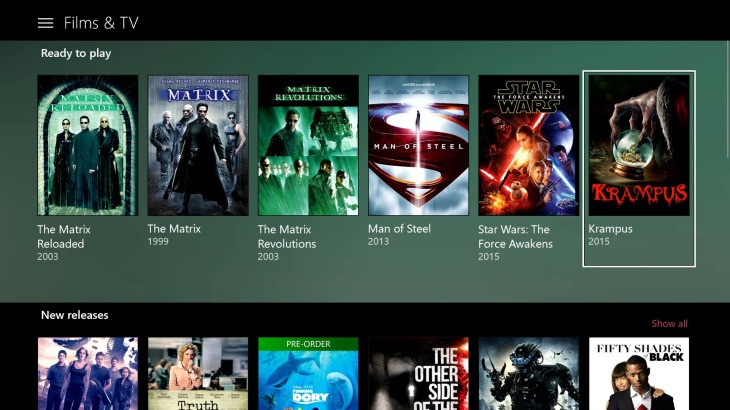
The closure marks the definitive end of Microsoft’s multimedia entertainment ambitions that peaked with the Xbox One console launch in 2013.
The company positioned that console as an all-in-one multimedia hub, emphasising television integration, entertainment apps, and digital media purchasing alongside traditional gaming functionality.
Microsoft’s retreat from digital video sales reflects broader industry shifts toward subscription streaming services rather than individual content purchases.
Companies like Netflix, Disney+, and Amazon Prime Video have largely displaced transactional video-on-demand services as consumers prefer monthly subscription models over per-title purchases.
The decision also aligns with Microsoft’s refocused strategy, emphasising cloud gaming, subscription services like Xbox Game Pass, and platform openness rather than proprietary content ecosystems.
The company has increasingly positioned Xbox as a gaming-first platform while reducing emphasis on broader entertainment functionality.
For affected users, the service shutdown highlights the risks of digital content purchases tied to specific platforms.
While existing libraries remain accessible, the inability to transfer content underscores the temporary nature of digital ownership when companies discontinue services or change business models.
Industry observers note that Microsoft’s exit from digital video sales leaves the market increasingly concentrated among Apple, Amazon, Google, and Vudu, with most major technology companies now viewing subscription streaming partnerships as more viable than operating competing transactional video services.
The Movies & TV store closure follows Microsoft’s pattern of discontinuing consumer-focused digital services that fail to achieve significant scale, including previous shutdowns of Groove Music, Windows Phone, and various social networking initiatives that competed with more established platforms.
Users seeking to maintain access to their purchased content libraries should ensure their Movies & TV app remains installed and functional, as Microsoft has not indicated plans to maintain the viewing application indefinitely following the store closure.