Freezer Hacking Spreads to US As Pentagon Investigates Suspected Cyberattacks
 Emma Wheaton
10 Nov 2026
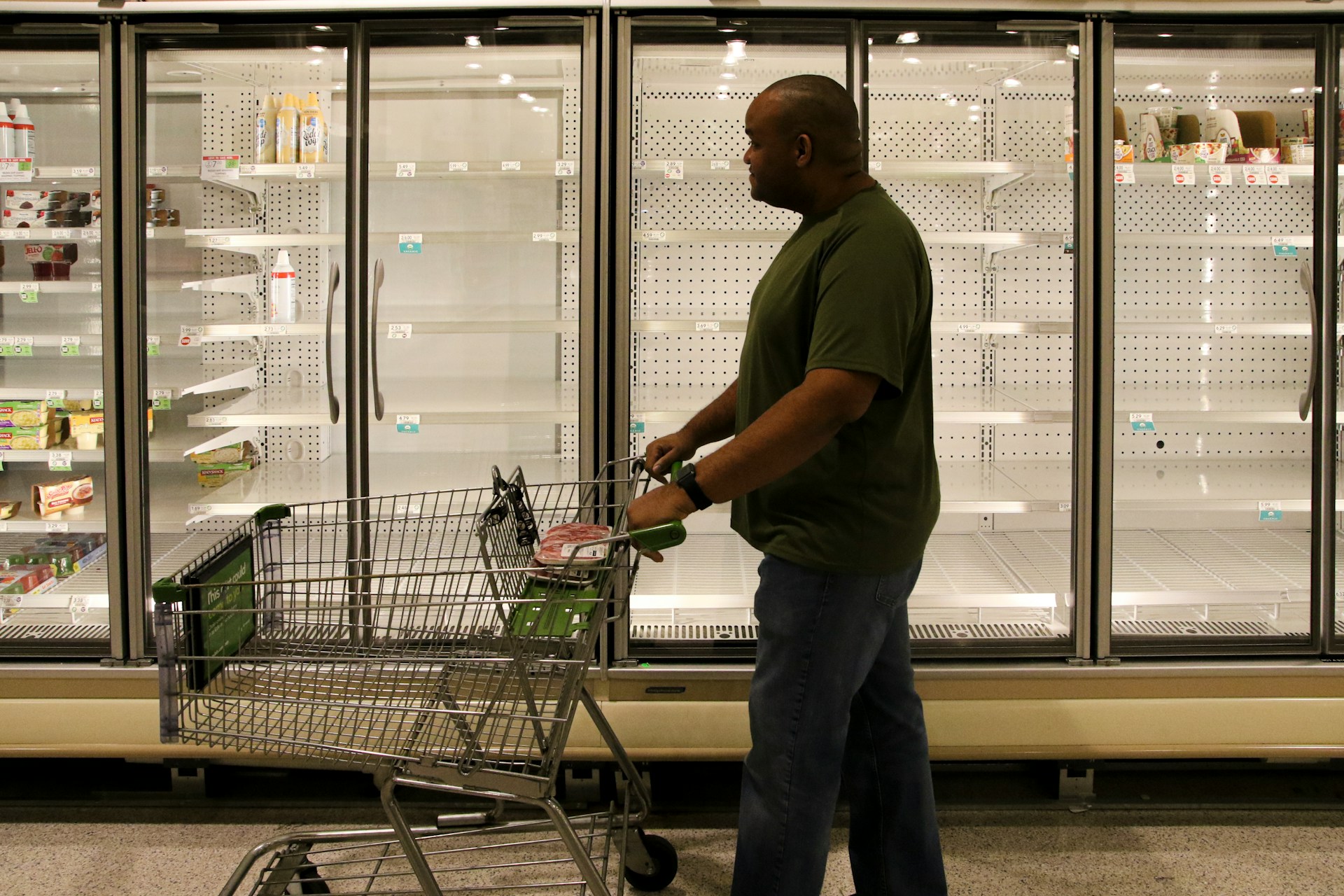
The Pentagon is investigating a series of mysterious freezer failures at US military bases amid growing concerns that cybercriminals are targeting internet-connected refrigeration systems following a number of attacks targeting supermarkets across Europe.
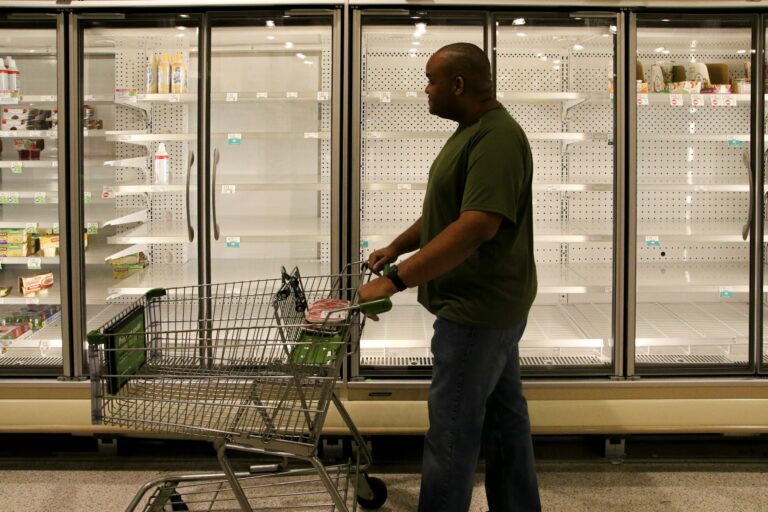
At least six US military commissaries, which supply groceries to military personnel and their families, experienced refrigeration failures in August, with freezers unexpectedly switching into defrost mode and temperatures rising high enough to spoil food.
According to reports, US military investigators are examining whether hackers remotely accessed refrigeration control systems. Authorities have not yet established if a cyberattack did occur, or identified those responsible.
The investigation involves US Cyber Command, the Army Criminal Investigation Division and the Defense Criminal Investigative Service. US investigators are also working with French law enforcement over similar incidents in Europe.
The Pentagon has not disclosed the full extent of the investigation or confirmed whether the military incidents are connected to the European supermarket attacks.
Hackers remotely manipulated refrigeration systems at hundreds of French supermarkets in October, forcing temperatures to climb as high as 50 degrees Celsius.
Major retail groups including Carrefour, Intermarché, E.Leclerc and Monoprix were among those targeted, with huge quantities of food destroyed. Some locations also reported fires and the financial damage was estimated to reach tens of millions of euros.
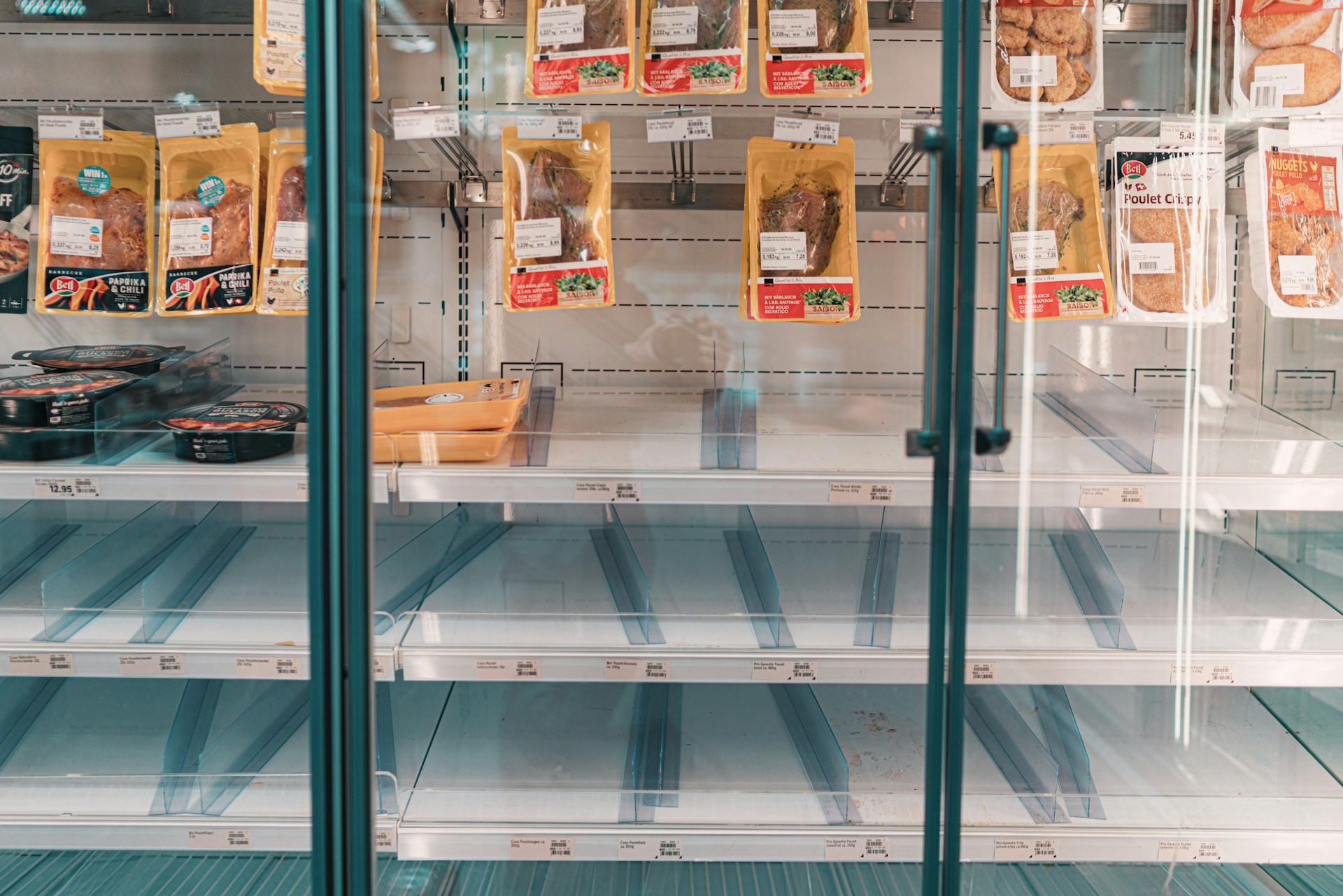
Another wave of attacks followed, affecting supermarkets across at least seven European countries, including Belgium, Sweden, Ireland, Luxembourg, the Netherlands, Estonia and Finland.
The attacks reportedly allowed intruders to remotely adjust refrigeration temperatures, with one Belgian supermarket forced to dispose of approximately €100,000 worth of food.
The incidents have raised concerns about the security of operational technology used to control essential equipment across supermarkets, warehouses and food distribution networks.
Internet-connected refrigeration systems mean technicians can remotely monitor refrigeration temperatures, adjust settings and manage defrost cycles.
However, it can also create opportunities for hackers.
Danish refrigeration technology manufacturer Danfoss has been linked to some of the European incidents, with affected systems reportedly including older equipment no longer receiving security updates. However, investigators have not established that a specific vulnerability or controller was responsible for every incident.
Records from Naval Air Facility El Centro in California identified a Danfoss refrigeration control system, although there is no confirmation that the same equipment was involved in the suspected military breaches.
Two months after the initial US incidents, their cause has yet to be made publicly known.