Microsoft Gaming Sales Slump as Xbox Hardware Struggles Despite Billion-Dollar Investments
 David Richards
31 Oct 2025
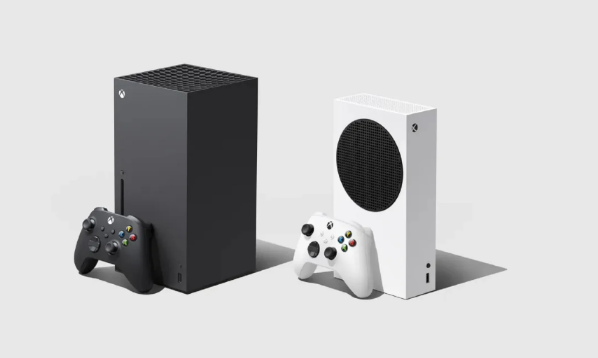
Microsoft has poured billions into expanding its gaming division, but the strategy appears to be faltering as competition from Nintendo’s Switch and the growing shift toward PC gaming continue to erode Xbox sales.
In its financial results for the first quarter of FY26, Microsoft reported a 2% drop in overall gaming revenue and a near 30% decline in Xbox hardware sales, highlighting a widening gap between software success and hardware performance.
As of September 30, the company’s broader financial picture remains strong:
- Revenue: US$77.7 billion (up 18% year-on-year)
- Net Income: US$27.7 billion (up 12% year-on-year)
- More Personal Computing (incl. Xbox): US$13.8 billion (up 4% year-on-year)
The company’s growth continues to be driven by its Cloud and AI businesses, which surged 28% to US$30.9 billion. However, the sharp 29% drop in Xbox hardware sales has created challenges for both Microsoft and retailers such as EB Games and JB Hi-Fi in Australia, where demand for consoles has softened.
While the More Personal Computing segment rose modestly, Microsoft said gaming revenue declined primarily due to weaker console sales. This was partially offset by a 1% increase in Xbox content and services, driven by growth in Game Pass subscriptions and strong third-party title performance.
“We delivered a strong start to the fiscal year, exceeding expectations across revenue, operating income, and earnings per share,” said Microsoft CFO Amy Hood. “Continued strength in the Microsoft Cloud reflects growing customer demand for our differentiated platform.”
Looking ahead, Microsoft expects second-quarter revenue between US$79.5 billion and US$80.6 billion, representing growth of 14–16%. However, the company forecasts a low to mid-single-digit decline in Xbox content and services revenue due to fewer first-party releases compared to last year, though this may be partly offset by higher subscription income.
The results come amid price hikes across Microsoft’s gaming division. In October, the company announced a second round of console price increases in the US, citing “macroeconomic factors,” with rises ranging from US$20 to US$70. The price of Xbox Game Pass also jumped 50%, while development kits reportedly increased 33% to around US$2,000.
Despite the slump, Xbox president Sarah Bond confirmed that next-generation hardware is already in development in partnership with AMD.
“We saw an opportunity to innovate in a new way and give gamers another choice,” Bond said. “We’re always listening to what players and creators want — when there’s demand for innovation, we’re going to build it.”