Microsoft Bets Big on Surface Comeback Amid Slumping Sales and Consumer Backlash
 David Richards
21 May 2026
David Richards
21 May 2026
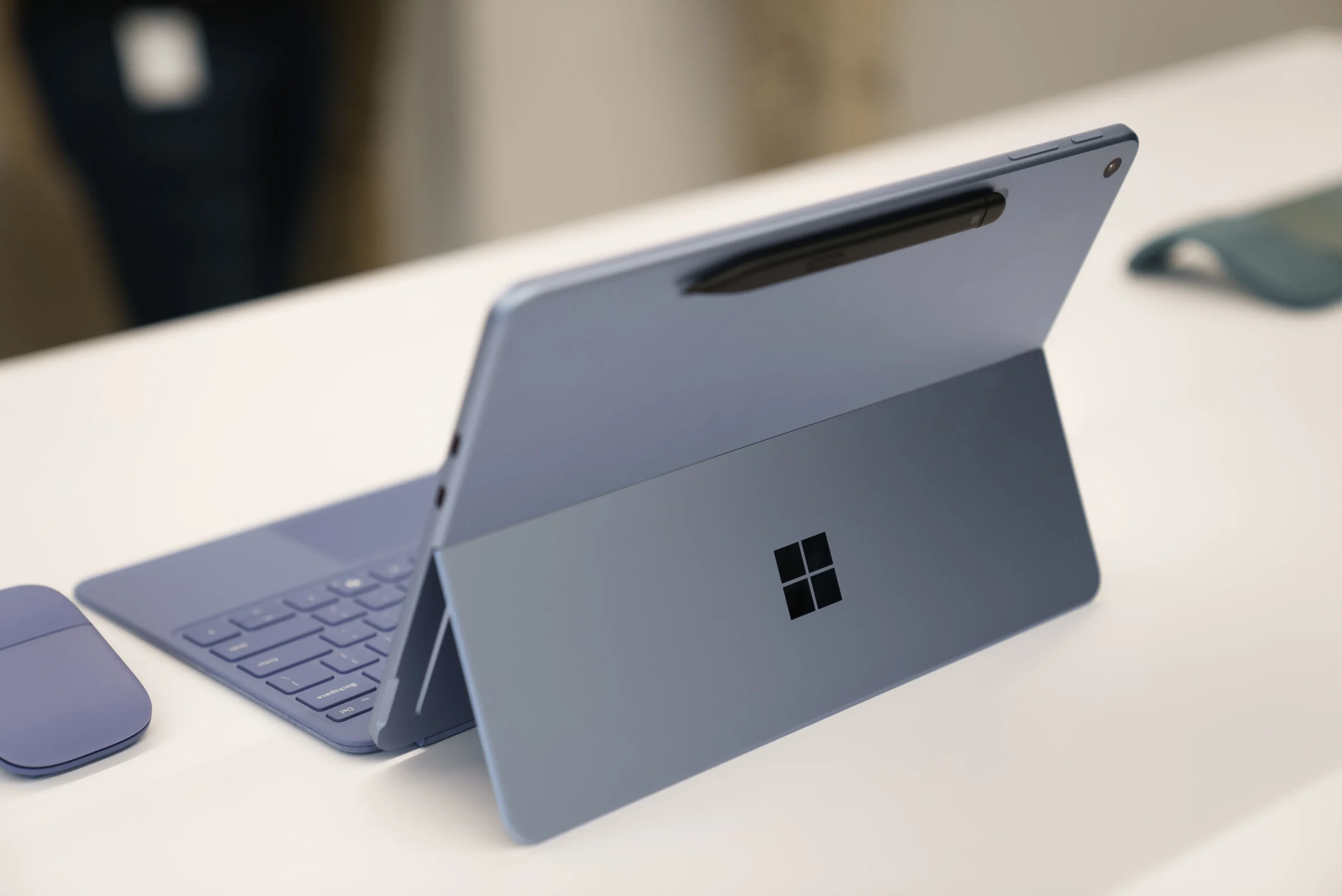
Despite mounting problems, Microsoft is making another attempt to convince consumers to buy a Surface notebook after a major slump in demand and a wave of complaints about past models in both Australia and overseas.
The struggling software giant, whose shares are down more than 10% year to date, also appears to have quietly abandoned ARM processors, returning instead to Intel.
The new Surface Pro and Surface notebooks will house Intel’s latest Core Ultra Series 3 processors, with similar models powered by Qualcomm’s new Snapdragon X2 processors tipped to follow later this year.
Once a darling of consumer electronics retailers across Australia, the Surface brand is now navigating a brutal stretch marked by declining revenues and a growing chorus of consumer complaints about past models.
Analysts point to three key drivers behind the revenue collapse: price hikes, global supply disruptions, and a damaging complaints history.
Sales cratered further after Apple completely disrupted the budget and mid-range notebook market with the release of the MacBook Neo in Australia.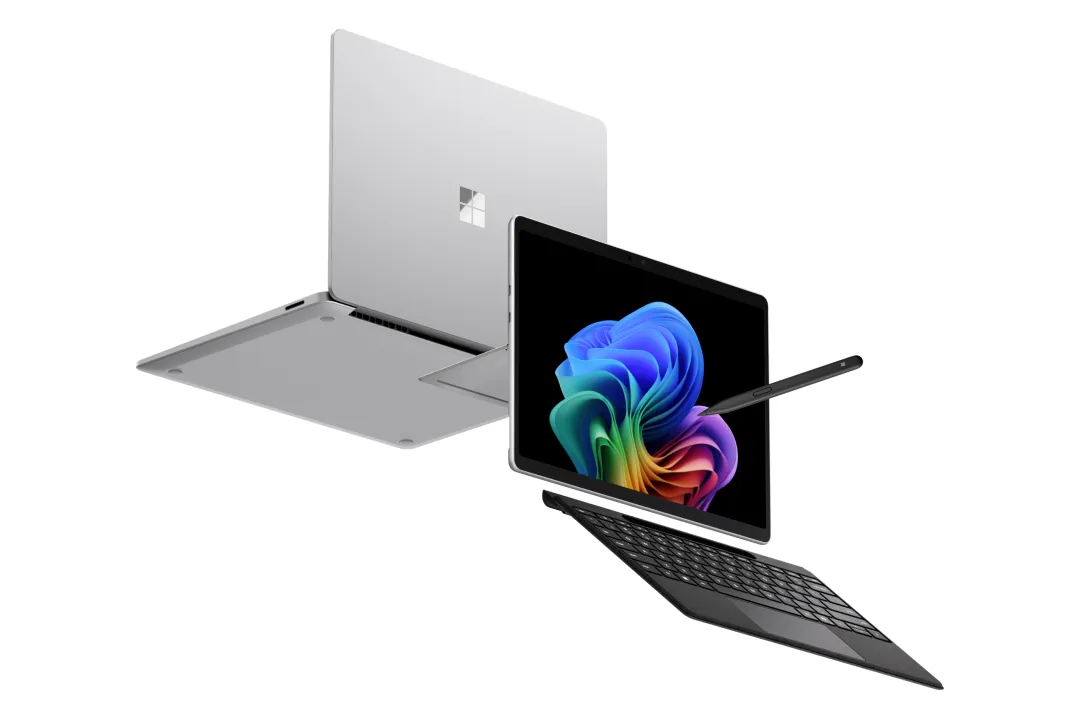
Microsoft, by contrast, aggressively raised hardware prices, with entry-level Surface devices surging in cost in Australia. Tech reviewers were blunt, labelling Surface notebooks “overpriced” and offering “little value.” The brand is now routinely described as “stagnant,” “boring,” and “overpriced.”
As sales collapsed, Microsoft began axing products, including the Surface Duo, Surface Studio, and the unreleased Surface Neo.
Product reliability issues compounded the damage.
In a desperate bid to match Apple’s M-series chips, Microsoft pushed heavily into ARM architecture via Snapdragon processors, a move that triggered persistent app compatibility failures across legacy software, specialist developer tools, and certain graphics drivers, causing ongoing glitches and crashes.
Users on official support forums have repeatedly flagged rapid battery degradation, with some reporting a 13% drop in design capacity in under a year, compounded by poor thermal performance under moderate workloads and significant performance lag.
Persistent Windows 11 bugs have only deepened consumer frustration across Australia, including broken search indexing after consecutive boots, random Wi-Fi dropouts on mesh networks, and erratic trackpad behaviour while charging via USB-C, all undermining what Microsoft markets as a premium experience.
Against that backdrop, Microsoft is now launching the Surface Pro 12, officially branded the Surface Pro for Business 13-inch (12th Edition), in Australia shortly. The base configuration includes an Intel Core Ultra 5 processor, 16GB of RAM, 256GB of storage, and a 13-inch PixelSense LCD display. Business buyers chasing higher-end specs, including an Intel Core Ultra 7, up to 64GB of RAM, and up to 1TB of storage, will pay a steep premium. The top-spec model is priced at over $5,000.
The design of the Surface Pro 12 is visually indistinguishable from its predecessor, the Surface Pro 11, retaining the same two USB-C ports with Thunderbolt 4 support.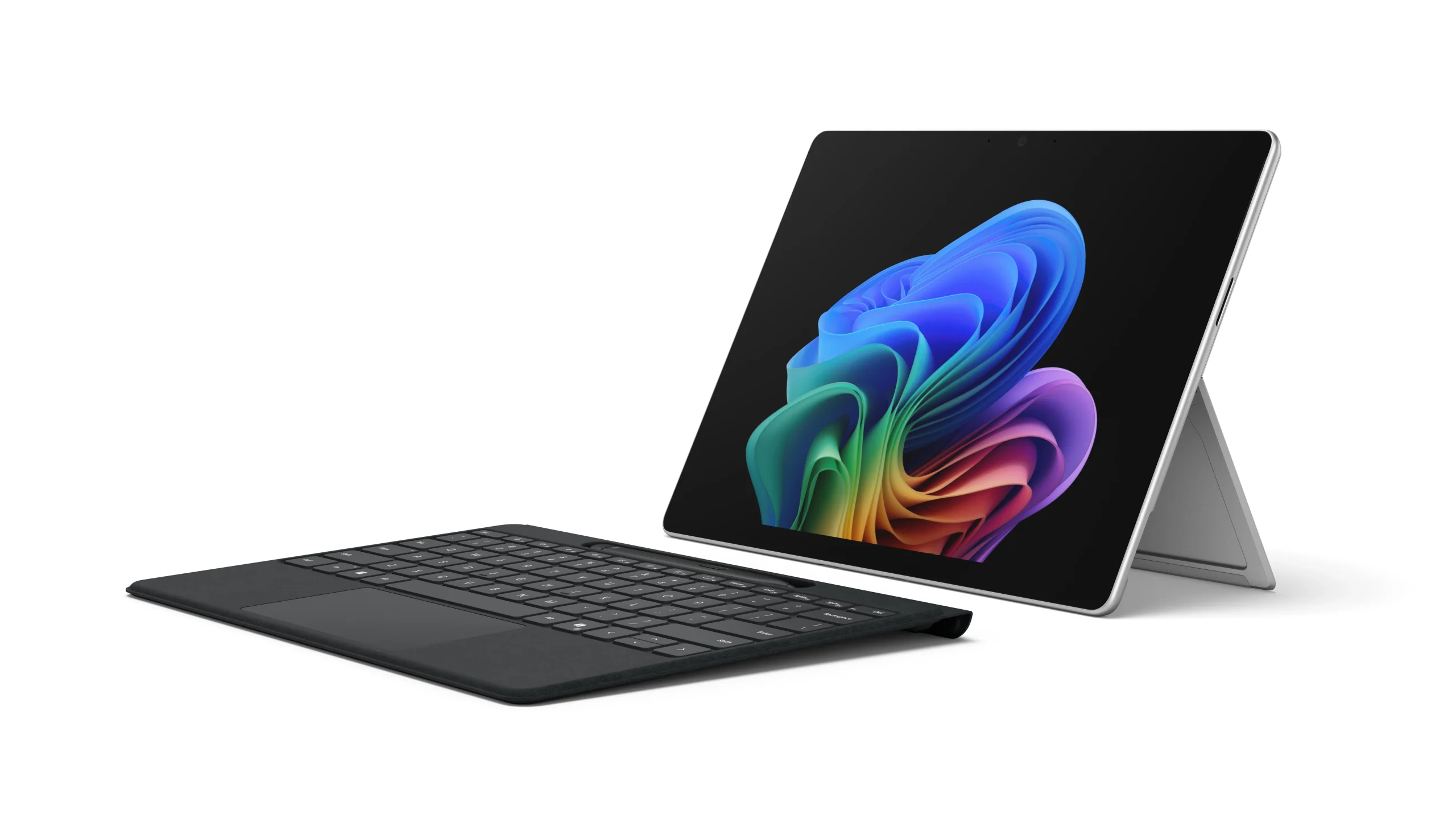
Microsoft is also launching two new Surface notebooks targeting business customers. The Surface Notebook 8, officially the Surface Notebook for Business in 13.8-inch and 15-inch variants (8th Edition), ships alongside a smaller 13-inch model, confusingly labelled the Surface Notebook for Business 13-inch (1st Edition). Both run on Intel’s Core Ultra Series 3 chips.
The Surface Notebook 8 retains the same design as its predecessor but gains what Microsoft describes as an “advanced haptic touchpad,” delivering subtle haptic feedback near close buttons, alignment cues during drag and resize actions, and step indicators on on-screen sliders. Windows 11 carries native support for the feature, with third-party developer integration underway.
The 13.8-inch Surface Notebook 8 also introduces an optional integrated privacy screen for the first time, though observers note it falls well short of the sophisticated privacy display found on Samsung’s Galaxy S26 Ultra. And while the Surface Pro 12 gains an optional OLED display, the Notebook 8 remains limited to a standard LCD panel.
Industry observers warn that the steep pricing across all three new devices signals what consumers can expect when Microsoft eventually unveils its consumer-focused Surface lineup later this year.