Meta Acquires Limitless To Expand AI Wearables Portfolio
 April Ossington
08 Dec 2025
April Ossington
08 Dec 2025
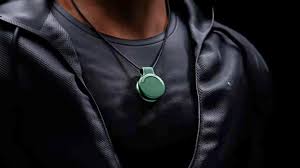
Meta has purchased Limitless, a start-up known for creating artificial intelligence powered pendants, as the company deepens its interest in wearable technology that constantly listens for user interaction. The move suggests Mark Zuckerberg intends to broaden Meta’s hardware ambitions beyond its ongoing work with smart glasses.
Limitless, which counts Andreessen Horowitz and OpenAI chief executive Sam Altman among its prominent backers, produces a small AI device that can be worn on a chain or fastened onto clothing. The pendant operates as a hands-free assistant with the ability to capture and process spoken information.
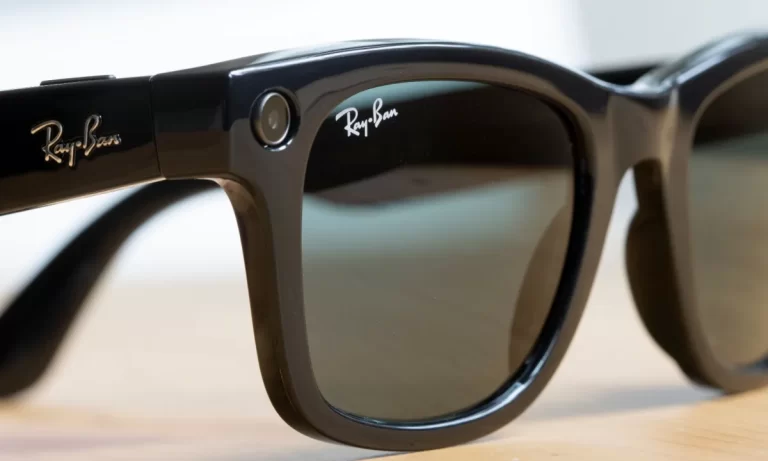
Until now, Meta’s primary focus in wearable AI has centred on smart glasses. Zuckerberg has repeatedly said he believes glasses could eventually replace smartphones as the main way people engage with translation tools, voice assistants and other AI services. The acquisition indicates Meta is now exploring alternative form factors as part of its broader strategy.
This development follows recent comments from Zuckerberg emphasising the importance of wearables in Meta’s long-term goal of creating what he describes as personal superintelligence. Limitless stated that it shares this vision and confirmed that its team will be joining Meta to help develop future devices.
Earlier in the week, Zuckerberg revealed that Meta is establishing a new design division inside Reality Labs, its virtual and augmented reality unit. The team will be led by Alan Dye, a high-profile designer previously at Apple. Zuckerberg said he believes the industry is entering a period where AI glasses and related products will transform everyday interaction with technology.
Shortly after these announcements, Meta said it would reassign some of its metaverse resources toward AI wearables. Investors responded positively, with Meta’s share price rising nearly three and a half per cent.
Meta’s entry into the wearable AI pendant market places it among a growing list of companies exploring devices that function without traditional screens. OpenAI is collaborating with former Apple designer Jony Ive on a small handheld device that responds to voice and environmental cues, while several Silicon Valley start-ups are testing always-active AI companions. The category has become contentious because many of these products listen continuously, raising concerns about security and data protection.
Friend, a pendant made by a start-up of the same name, has been criticised for unsettling behaviour and an overly sarcastic tone. Another company, Humane, sold an AI pin backed by Sam Altman, but the project was abandoned after widespread performance problems. Amazon recently purchased Bee, a young company working on an AI bracelet.
The Limitless pendant can record and transcribe conversations instantly and allows users to search those transcripts through its app. The company, previously called Rewind, marketed the device as a tool that uses AI to support concentration, organisation and memory. Limitless has raised more than USD 33 million, which is roughly AUD 50 million, from investors. Although the product will remain supported for at least twelve months, the company will no longer accept new customers.
Meta and Limitless did not release financial details of the acquisition. Limitless had a public valuation of USD 367 million in 2023, equivalent to approximately AUD 550 million.
Meta welcomed the team publicly, saying it is pleased to have Limitless on board as it works to accelerate development of AI enabled wearables.