LG Fights Tech Leaks and Sales Slump as Pressure Mounts in Global TV Market
 David Richards
20 Oct 2025
David Richards
20 Oct 2025

LG Electronics’ TV business is facing growing pressure amid falling sales, rising competition, and fears that its proprietary W-OLED technology is being leaked to Chinese rivals. The South Korean giant has written to its manufacturing partners, urging them to tighten information security and prevent further leaks.
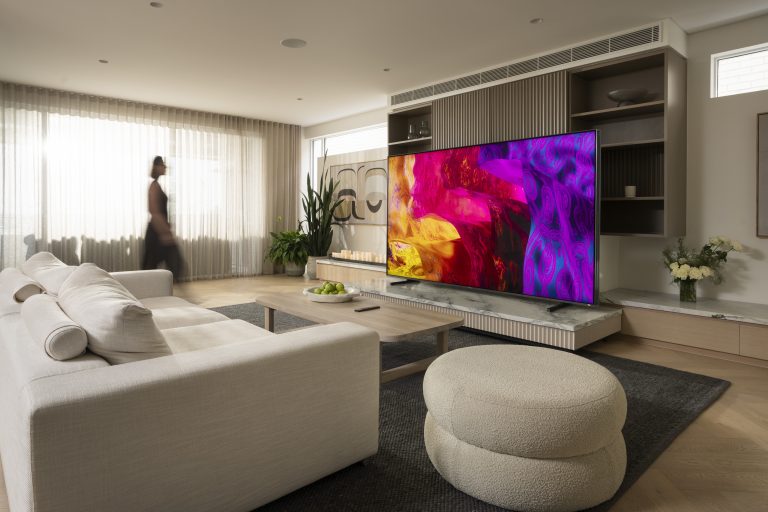
Australian retailers told ChannelNews that LG’s local TV operation is “seriously faltering,” with the company’s aggressive discounting of what should be premium OLED models eroding margins and damaging its global brand.
LG has been cutting prices in an attempt to compete with Samsung and Hisense, both of which are pushing advanced LED models that deliver similar picture quality at a lower cost to produce and buy.
Earlier this month, LG Display—already battling heavy losses—formally warned suppliers to protect W-OLED technologies and reinforce data security. These suppliers have long worked with LG on developing the W-OLED platform, which remains LG’s main differentiator in the premium TV market.
Industry sources say LG’s biggest concern is Chinese display powerhouse BOE, which is running a W-OLED pilot line in Hefei.
The Gen 8.5 line can produce around 2,000 substrates per month—small in scale but sufficient to supply limited quantities top grade W-OLED panels.
Recently BOE reportedly pitched its W-OLED panels to Samsung, prompting questions about whether large-scale TV panel production could follow. Samsung currently sources its OLED panels from LG Display.
Next year, LG will face fresh competition from Sony, which has showcased its new RGB-OLED TV technology to Australian retailers during visits to Japan. Retailers are pushing for the new models to launch before the 2026 AFL and NRL finals, while also calling on brands to end the cycle of heavy discounting soon after product launches. “Some brands are destroying ASP just to move volume,” one major retailer said.
Sources suggest that major Australian retailers—including Harvey Norman, JB Hi-Fi, and The Good Guys—would welcome a shake-up in premium TV offerings. Traditionally, new TVs are launched around April or May each year.
According to TheElec in South Korea, several LG Display partners confirmed that the company’s recent warnings about technology leaks were highly unusual, raising suspicions that some information may have already been compromised.
W-OLED, or White OLED, differs from QD-OLED by using a single layer of white light-emitting diodes rather than blue diodes combined with quantum dots to generate colour.
The clampdown on leaks comes as LG faces slowing demand across both its premium OLED range and its mid-tier LED models, which are now manufactured by TCL following LG’s sale of its Chinese LED factories. In response, LG has initiated cost-cutting programs, voluntary redundancies, and a shift toward business-to-business and direct-to-consumer strategies.
Despite its long-standing reputation for high-end display technology, LG’s TV division is steadily losing market share to Samsung and Hisense, weighed down by rising component costs and a narrowing focus that has reduced its revenue in key markets such as Australia.