Latest GDP Figures Reveal Economy Is Crawling
 Varun Godinho
04 Sep 2024
Varun Godinho
04 Sep 2024

Australia’s economy grew by just 0.2 per cent in the June quarter, and 1.5 per cent in the 2023-2024 financial year, according to data released on Wednesday by the Australian Bureau of Statistics (ABS).
“Excluding the Covid-19 pandemic period, annual financial year economic growth was the lowest since 1991-92 – the year that included the gradual recovery from the 1991 recession,” said Katherine Keenan, ABS’ head of national accounts.
GDP per capita was down for the sixth consecutive quarter, falling 0.4 per cent.
The main driver of economic growth over the past year was increased federal government spending, which hit an equal record 11.8 per cent of GDP last quarter.
The only time federal government spending has been this high was in the early stages of the Covid-19 pandemic.
Treasurer Jim Chalmers defended the latest performance adding that it was government spending that was fuelling growth. “Two-thirds of the OECD have seen their economy go backwards at least one quarter, so in the context of a really difficult global economic environment, any growth in our economy is welcome growth,” he told reporters.
“Now, without government spending or without government spending growth, there’s been no growth in the economy at all.”
In May though the RBA warned that the rapid rise in government spending was one of the factors prolonging high inflation. Chalmers has seen to be critical of RBA Governor Michelle Bullock’s decision to keep the cash rate unchanged at 4.35 per cent.

Chalmers said that higher interest rates guided by the central bank were “smashing” the economy, though he added that it does not amount to the government telling the RBA what to do.
The RBA lifted the cash rate 13 times, from 0.1 per cent to 4.35 per cent, which has led to hefty additional amounts added on to loan repayments for millions of borrowers.
The RBA has left the cash rate at 4.35per cent since last November, and it has signalled that it intends to do so for the rest of the year as it aims to use it as a measure to tame inflation.
Inflation which sits at 3.8 per cent, is above the RBA’s 2-3 per cent target band. “To get on top of inflation, we and the RBA have slightly different objectives but they are aligned when it comes to seeing inflation moderate further and faster,” noted Chalmers.
Spending on discretionary categories fell in the June quarter as the cost of living crisis intensified. Household spending fell 0.2 per cent detracting 0.1 percentage points from GDP growth.
Taking advantage of the end-of-year sales, furnishings and household equipment rose (+4 per cent). This was partly offset by food (-1 per cent) with households spending less on groceries.
Australians cut back on air travel in June, which caused spending on transport to fall for the first time since September 2021.
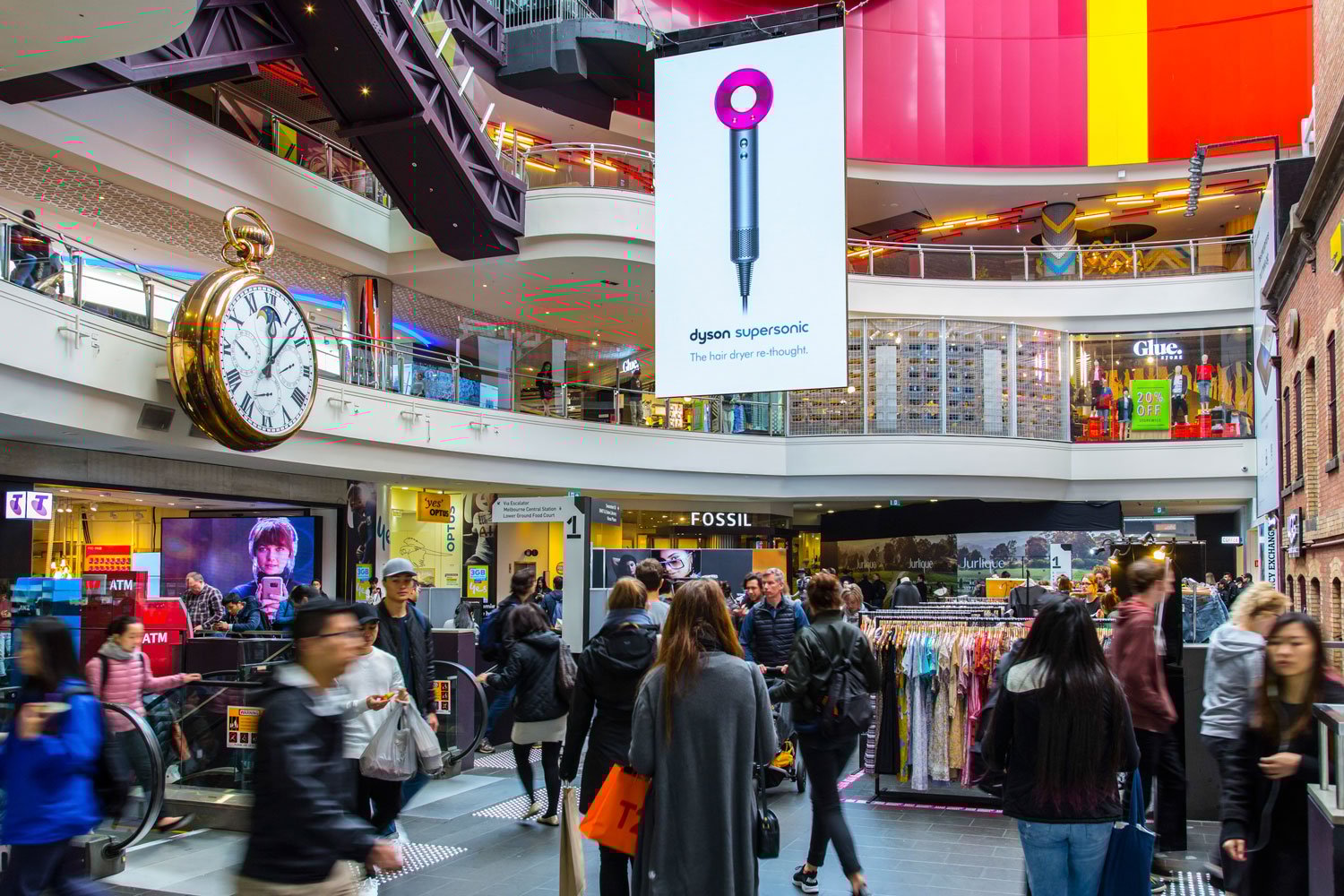
Australian Retailers too are now forecasting a downbeat outlook for the remainder of the year amid slowing consumer spending. The ABS noted that retail trade for July 2024 was unchanged from June. That figure was not in line with expectations among analysts who expected a 0.3 per cent rise in retail trade in July after growth of 0.5 per cent in both June and May.
Residential home-building activity has also been slowed by high interest rates, contracting 3 per cent over the past year. Construction costs are believed to have risen as much as 40 per cent since 2019. This has put significant pressure on builders who were locked into fixed-price contracts and who were subsequently forced to absorb additional costs.