Judges Reduce Intel’s EU Antitrust Fine
 April Ossington
11 Dec 2025
April Ossington
11 Dec 2025

Intel notched a modest yet meaningful success in its long dispute with European regulators after judges in Luxembourg reduced the penalty imposed for its past conduct toward computer manufacturers. The fine, originally reinstated by the European Commission, has now been lowered following a fresh assessment by the General Court.
The panel confirmed that the Commission was justified in punishing Intel for offering payments to encourage PC makers to reduce or postpone systems featuring AMD processors. However, the judges argued that the financial punishment did not accurately reflect how limited the misconduct actually was.
The penalty has been cut from 376 million euros to 237 million euros. This is roughly AUD 626 million reduced to AUD 395 million. The court said the Commission had failed to account properly for the narrow timeframes and relatively small number of products involved.
The ruling stated that a fair assessment had to take account of the “limited material scope” of the practices in question, rather than assuming a broader impact.
The court underlined that the arrangements with HP, Acer and Lenovo represented only a minor portion of Intel’s overall business. The deals affected a small set of product lines and ran only for certain periods. When examined through this more restrained lens, the original financial sanction was deemed disproportionate.
This case began with one of the EU’s most high-profile competition actions. In 2009, the Commission imposed a record 1.06 billion-euro fine on Intel, alleging that the company had used its dominance in processors to push AMD out of crucial markets. Rebates, preferential treatment and covert payments were all cited as tactics used to keep manufacturers loyal.
Intel launched a lengthy counter-offensive in the courts. After the General Court initially upheld the penalty in 2014, the Court of Justice sent the matter back in 2017, insisting on a deeper review of whether Intel’s rebate schemes truly excluded competitors.
That re-examination in 2022 saw the majority of the Commission’s claims collapse. The court found insufficient proof that Intel’s rebate structures had harmed competition. Only three direct payments to HP, Acer and Lenovo remained in play. These were labelled “naked restrictions” because they involved straightforward inducements to delay or cancel devices built with AMD chips.
Even after that setback, the Commission issued a new decision in 2023. It reinstated the 376 million-euro penalty based solely on the three remaining restrictions. Intel challenged the figure again, arguing that it was excessive, poorly justified and partly outside the EU’s jurisdiction.
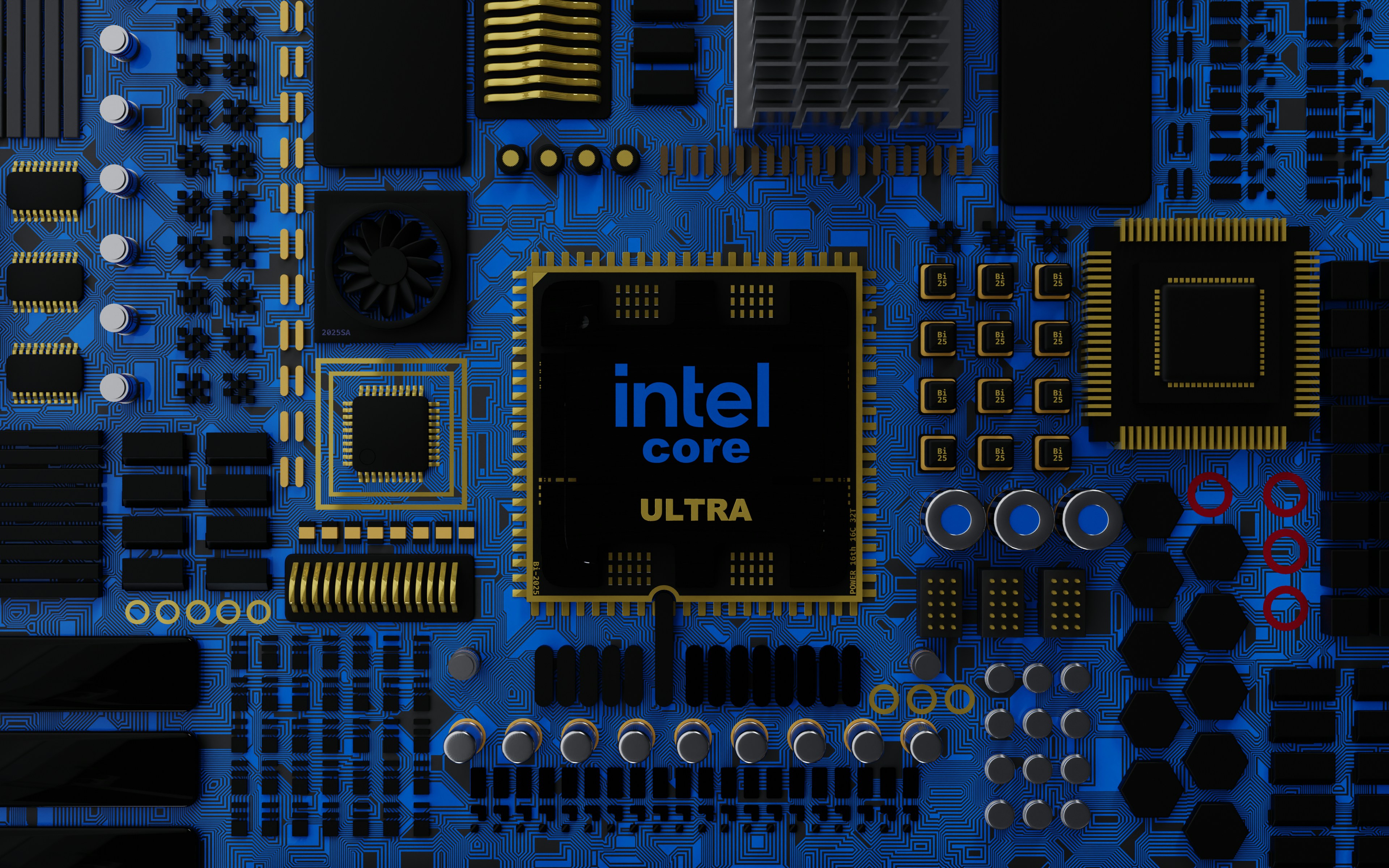
In the space of two months, Intel gone from being widely unloved to Belle of the ball
Most of Intel’s objections were dismissed this week. The judges ruled that the Commission did not need to reopen the entire case or present fresh charges. They also rejected Intel’s claim that some agreements fell outside EU authority, noting that jurisdiction had already been established in earlier rounds.
Where the court sided with Intel was on the size of the fine. The judges scrutinised the timeline and the limited number of machines affected. They highlighted gaps between the deals, as well as Intel’s own internal figures showing a much smaller reach than the Commission had portrayed. On that basis, the fine was trimmed by thirty seven per cent.
Dr Magali Eben of the University of Glasgow said the judgment does not signal a fundamental shift in EU competition law. According to her, the decision largely reaffirms existing principles while adjusting the fine to reflect the actual harm caused. She observed that the ruling mostly validates the Commission’s position, aside from the financial reduction, and predicted continued academic debate over the meaning of “naked restrictions”.
A spokesperson for the European Commission said it had taken note of the ruling and emphasised that the core findings from 2023 had been upheld. Officials plan to study the judgment carefully before determining their next steps.
Intel responded more positively. A company representative welcomed the court’s recognition of several of Intel’s arguments, calling the reduced figure a substantial improvement. Under the decision, the Commission is required to pay half of Intel’s legal expenses.
Both sides now have two months to decide whether to appeal to the EU’s highest court. Intel has said it is reflecting on its options.