Is Tim Cook Weakness Running Apple Set to Be Exposed Following As New Heir Apparent Emerges
 David Richards
23 Jan 2026
David Richards
23 Jan 2026
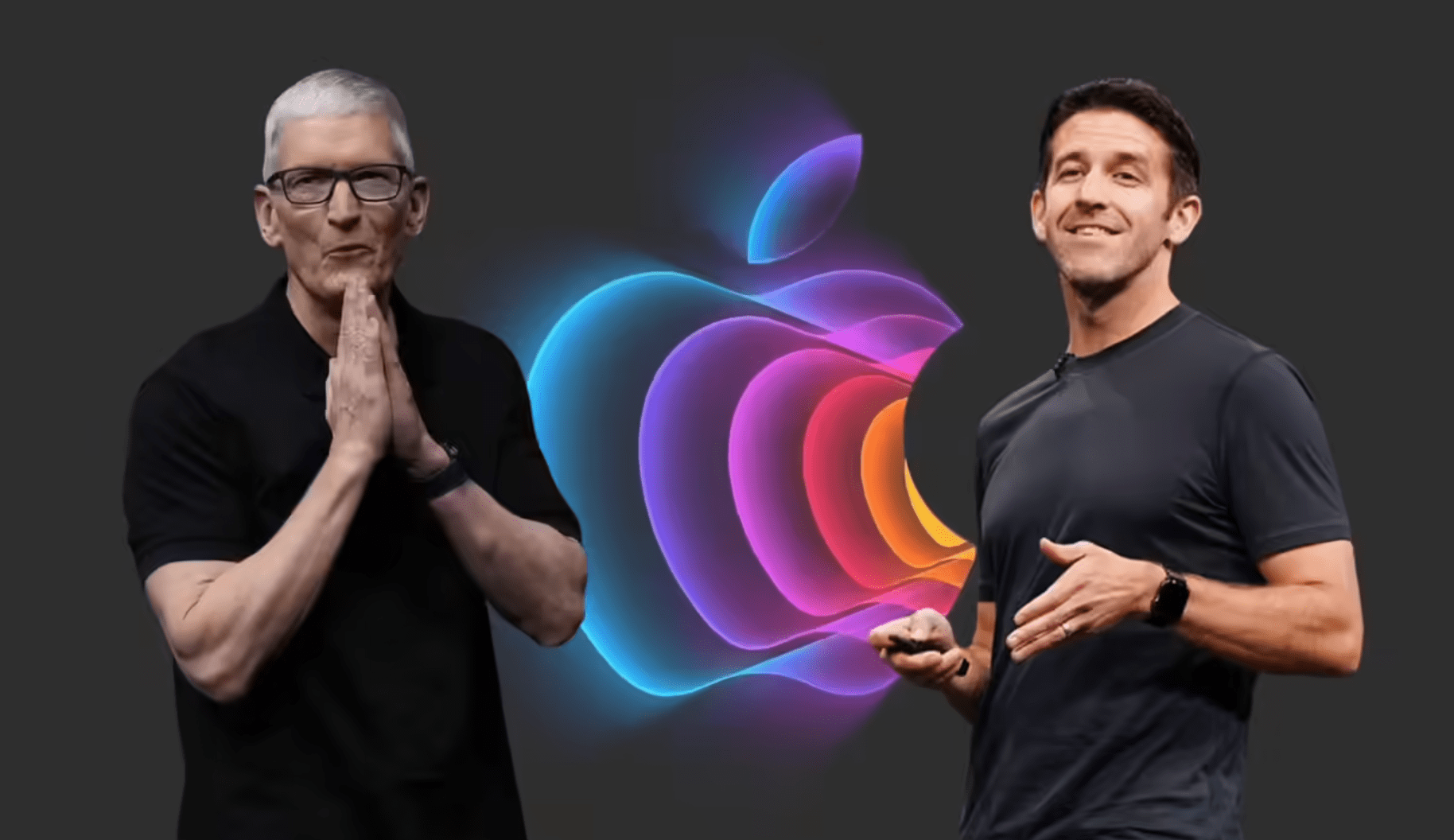
Apple is approaching a pivotal moment as Chief Executive Tim Cook, a logistics-focused executive who rose through IBM and Compaq before joining Apple, nears what could be the final chapter of his tenure—raising questions about whether the company is prepared to reignite the kind of product-led innovation that once defined it.
Cook, who has led Apple since 2011, oversaw one of the most financially successful periods in the company’s history, transforming it into a $3 trillion powerhouse. But critics argue that Apple’s recent growth has leaned heavily on refinements of products and platforms created during the Steve Jobs and Jony Ive era, rather than on breakthrough innovation.
During Cook’s leadership, Apple has not introduced a category-defining device on the scale of the iPod, iPhone, or iPad. The company has also lagged rivals in artificial intelligence, voice recognition, and next-generation form factors such as foldable devices, according to industry analysts.
That could soon change.
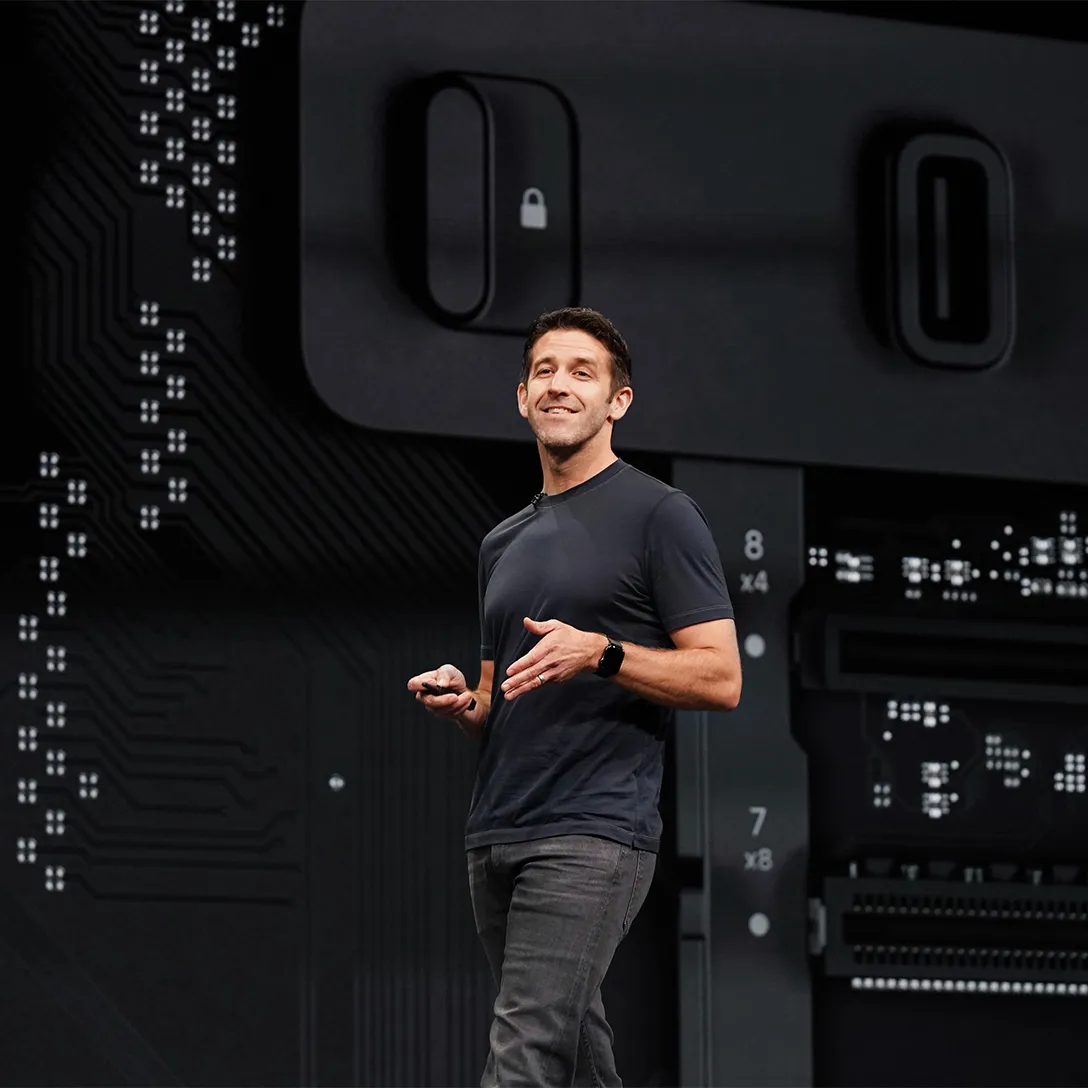
Apple hardware chief John Ternus is increasingly seen by insiders as a leading candidate to eventually succeed Cook. Just before the end of last year, Ternus’ role was quietly expanded to include oversight of design and development, according to people familiar with the matter—a responsibility once central to Jobs and later Ive.
The move has fueled speculation that Apple is repositioning itself toward a more design- and product-driven leadership model.
“The success of Apple has always been tightly linked to how its products look, feel, and integrate hardware with software,” said one former Apple executive. “That philosophy weakened after Jobs.”
The integration of design and software was forged during Jobs’ exile from Apple in the late 1980s, when he founded NeXT after being forced out following power struggles with then-CEO John Sculley. While NeXT’s hardware failed commercially, its operating system proved revolutionary. Apple acquired NeXT in 1996 for $429 million, a deal that brought Jobs back to the company and laid the foundation for macOS and, later, iOS.
Jobs returned as interim CEO in 1997 and soon after took the permanent role, ushering in Apple’s modern renaissance.
Since Jobs’ death in 2011, Apple’s design leadership has gradually fragmented. Jony Ive, Jobs’ longtime design partner, departed in 2019. Cook himself oversaw design between 2015 and 2017, a period some insiders describe as lacking clear creative direction.
According to Bloomberg, Ternus is now internally described as the “executive sponsor” of all design at Apple, acting as a bridge between the design teams and senior leadership. While the design organization still technically reports to Cook, Apple employees cited by Bloomberg describe the arrangement as unusual and potentially indicative of shifting power dynamics.
At 50, Ternus is the youngest member of Apple’s executive team, giving him a long potential runway should a transition occur.
Still, there is no indication Cook is preparing to step aside. The 65-year-old CEO remains highly visible on the global stage, including appearances alongside political and business leaders at events such as the World Economic Forum in Davos.
Meanwhile, competitive pressure is mounting. Ive has reportedly partnered with OpenAI and raised more than $1 billion in funding, with speculation that he is developing AI-driven consumer devices that could challenge Apple directly.
For Apple, the question is whether the company can once again place a visionary product leader at the helm—or whether operational excellence alone will be enough to define its next era.