iPhone 17 Pro Succeeds Through Hardware While Apple Lags in AI and AR
 Isabella Alexiou
22 Sep 2025
Isabella Alexiou
22 Sep 2025

Apple’s iPhone 17 Pro and Pro Max have emerged as the company’s strongest upgrades in years, delivering meaningful improvements without relying on AI hype, while Meta’s new Ray-Ban Display glasses showcase the competitive threats looming in Apple’s future.
According to Bloomberg’s Mark Gurman, the iPhone 17 Pro models deserve mention alongside milestone devices like the iPhone 4, 6, X, and 12, achieving this through engineering improvements rather than revolutionary features.
Unlike the iPhone 16’s failed “super-cycle” narrative built on delayed and underwhelming Apple Intelligence features, the iPhone 17 Pro succeeds through tangible improvements:
- Enhanced battery life on Pro Max models
- New 8x zoom capability
- Reduced overheating issues after abandoning titanium
- Vastly improved selfie camera
- Better overall performance
The devices have generated strong retail turnout globally, with most purchases focused on Pro models.
The iPhone Air, while attracting early adopters with its ultra-thin design, faces mainstream resistance due to battery concerns, single speaker, and premium pricing.
Apple has effectively sidestepped the AI race, not by choice but necessity.
With AI features lagging behind Google, Samsung, and Chinese competitors, and no meaningful updates until March’s revamped Siri, Apple is sitting out current competition.
Gurman suggests this unintentional strategy may benefit Apple, allowing AI to mature into table-stakes technology before re-engaging, though this must change for next year’s updates.
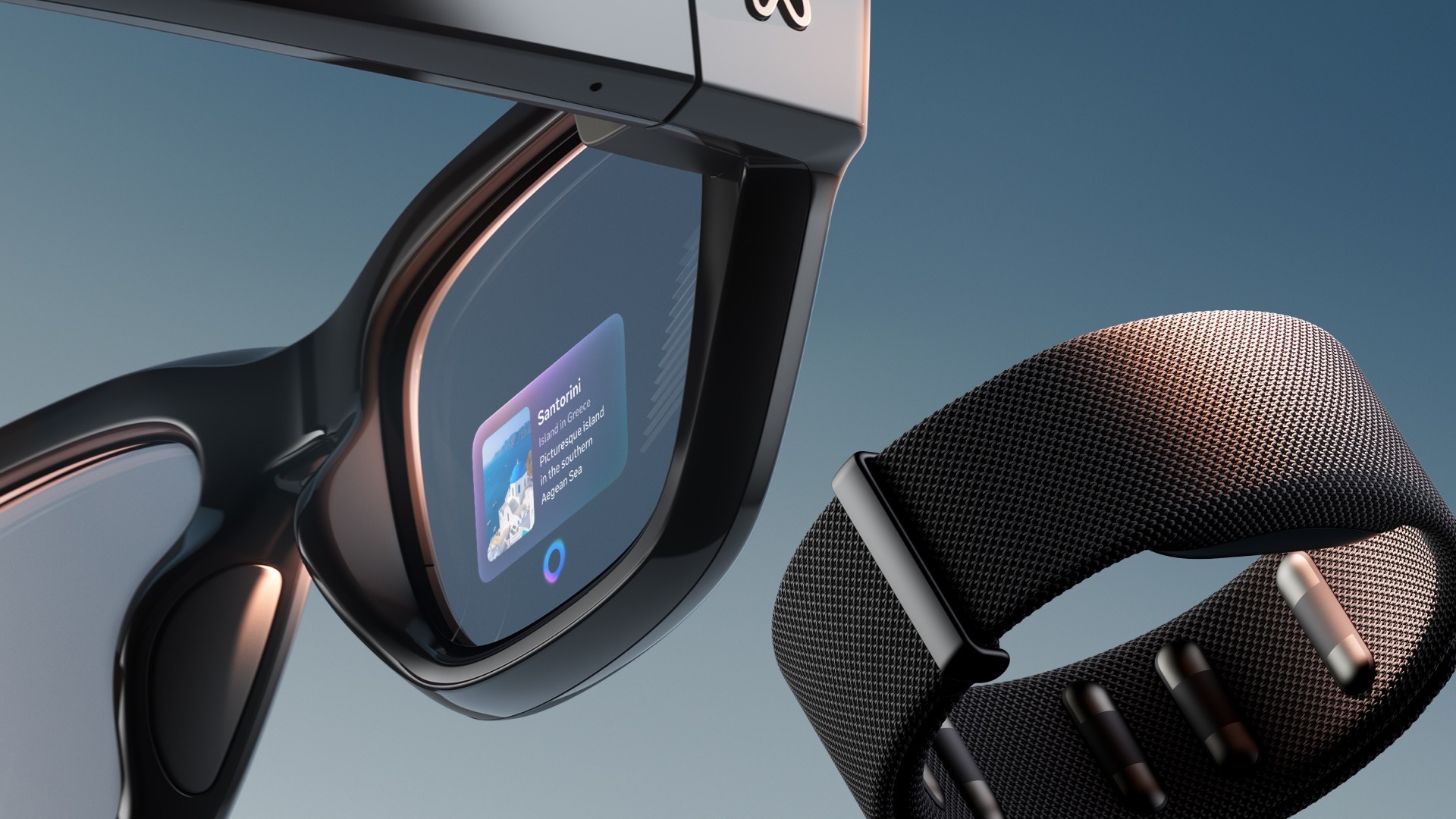
Meta’s new Ray-Ban Display glasses, priced at USD $800 (approximately $1,200), represent a significant competitive threat.
Features include:
- 20-degree field of view display in right lens
- Photo/video preview capability
- Text, call, and video chat functionality
- Instagram Reels integration coming soon
While lacking an app store, these glasses convinced Gurman that display glasses will become “a core consumer device before the end of the decade,” highlighting Apple’s two-year lag in the category.
After years of resistance, Apple plans to introduce touch screens with the next MacBook Pro redesign in late 2026/early 2027.
The shift responds to:
- Stagnant iPad sales despite major updates
- Skyrocketing Mac sales from Apple silicon
- Touch screens becoming standard on Windows laptops
- Consumer demand for touch interfaces
The move represents a strategic reversal from Apple’s long-standing position against merging iPad and Mac capabilities.
Apple’s near-term pipeline includes:
- 2026: Foldable iPhone (expected $3,000+), described as “two titanium iPhone Airs side-by-side”
- 2026: Display-less smart glasses
- 2027: Redesigned all-screen iPhone
- 2028: First true AR wearable
The critical test arrives around 2028 when Meta, Google, and OpenAI will have established AI-first devices and AR glasses in market.
For Australian consumers, the iPhone 17 Pro ($1,999) offers compelling upgrades for those with older devices.
However, the landscape is shifting:
- Meta’s aggressive hardware pricing (selling below cost)
- Chinese manufacturers advancing rapidly in AI
- New device categories emerging beyond smartphones
The iPhone 17 Pro demonstrates the iPhone’s continued relevance through traditional hardware excellence rather than AI innovation.
While Apple has delivered a strong upgrade cycle, questions remain about long-term competitiveness as rivals push AI-first devices and new form factors.
Gurman notes the iPhone “remains the hub of consumers’ digital lives” but questions whether Apple can reinvent itself before competitors successfully shift key tasks beyond smartphones.
The next three years will prove critical as Apple races to catch up in AI and AR while defending its smartphone dominance.
For now, the iPhone 17 Pro validates Apple’s hardware-first approach, but the company’s AI lag and Meta’s display glasses preview a future where the smartphone’s centrality is no longer guaranteed.