Vicinity Centres Flags Softer Retail Spending Despite Strong Earnings Outlook
 April Ossington
21 Aug 2026
April Ossington
21 Aug 2026
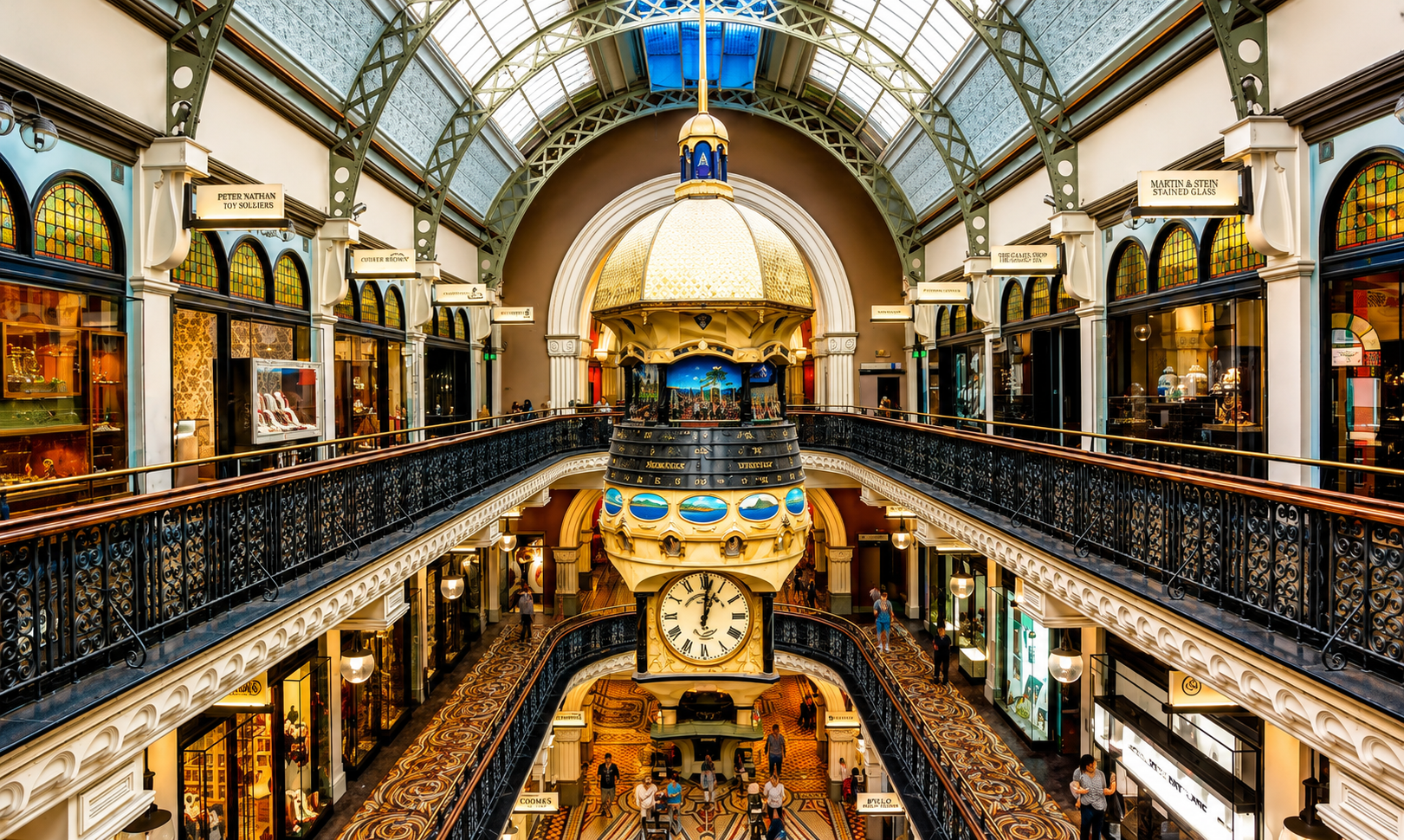
Vicinity Centres has warned that weaker consumer confidence is beginning to show across its shopping centre portfolio, with sales growth slowing noticeably in the second half of the financial year.
The retail property group, which operates 47 centres, said cost-of-living pressures, higher interest rates, inflation and broader economic uncertainty had weighed on household spending.
Sales across Vicinity’s centres rose 4.2 per cent in the first half of the year before easing to 2.3 per cent in the second half.
The slowdown was more pronounced among speciality retailers, where sales growth fell from 5.2 per cent to 1.8 per cent.
Chief executive Peter Huddle said recent interest rate increases had contributed to softer consumer confidence.
“Clearly, there’s been some cost of living increases associated with three interest rate rises, predominantly over the second half … that obviously has an impact on consumer confidence to a certain degree,” he said.
Huddle said Vicinity was also watching the relationship between falling residential property values and household spending, although he said sales performance remained relatively consistent across the portfolio.
“We’re clearly conscious of the fact that value within house prices has a positive correlation with consumer confidence, and then there is obviously a correlation to consumer expenditure from there,” he said.
Despite the slowdown in shopping activity, Vicinity delivered a stronger financial result for the year.
Funds from operations rose 3.9 per cent to $700.1 million, placing the result near the upper end of the group’s guidance.
Vicinity also reported stronger leasing conditions, with leasing spreads reaching 4.2 per cent compared with 2.5 per cent in the previous financial year.

The company said reduced development of new retail space and continued population growth were supporting demand from retailers looking for quality locations.
Full-year earnings reached 15.21 cents per security, while the group’s distribution increased from 12 cents to 12.4 cents per security.
For the 2027 financial year, Vicinity is forecasting earnings of between 16.0 cents and 16.2 cents per security, representing growth of 5.3 per cent to 6.6 per cent.
Chief financial officer Adrian Chye said the company remained confident about the outlook despite softer consumer conditions.
“We are guiding to a really strong earnings outlook of 6 per cent growth, and for us that’s a much stronger than normal growth outlook for earnings,” he said.
Vicinity expects average leasing spreads of about 3 per cent in the coming year, lower than the level recorded in 2026.
Development activity is also expected to support earnings as redeveloped centres return more tenants to operation.
The company has completed the $625 million redevelopment of Chatswood Chase in Sydney and expects the redevelopment of Galleria in Perth to be completed and opened by November.
Vicinity has also expanded through acquisitions, including the $351 million purchase of Eastern Creek Quarter in western Sydney.
The group also acquired the remaining 75 per cent interest in Uptown in Brisbane’s CBD for $212 million, with the transaction settling on 14 August.
At the same time, Vicinity remains open to further asset sales where opportunities arise.
Huddle said the company had sold about 16 assets over the past three years, using proceeds to fund acquisitions, redevelopment work and upgrades across the portfolio.
One asset, Box Hill North, remains on the market, while Vicinity could consider selling or introducing joint-venture partners into other properties where it sees an opportunity to improve portfolio quality.
The company said most of its planned asset divestment program had now been completed.