Intel Confirms Massive Global Job Cuts Future of Australian Operation Unclear
 David Richards
25 Jul 2025
David Richards
25 Jul 2025
Intel has announced plans to cut its global workforce to 75,000 by the end of 2025, raising questions over the fate of its Australian operations which is basically a sales marketing operation.
The U.S. chipmaker has already begun winding down activities in several countries. Overnight, Intel confirmed it will cancel planned projects in Germany and Poland, while consolidating its assembly operations in Vietnam and Malaysia.
The sweeping cuts come despite Intel’s previous efforts to court investment from the Australian Government. The company once pitched a proposal for a local manufacturing plant with a price tag exceeding $1 billion—a move firmly rejected by the then Liberal Coalition government.
Once a dominant force in chipmaking for notebooks and desktop PCs, Intel has struggled to keep pace with rivals such as Nvidia, AMD, and TSMC. A key misstep was failing to anticipate the explosive demand for AI-focused semiconductors, a market now largely controlled by Nvidia.
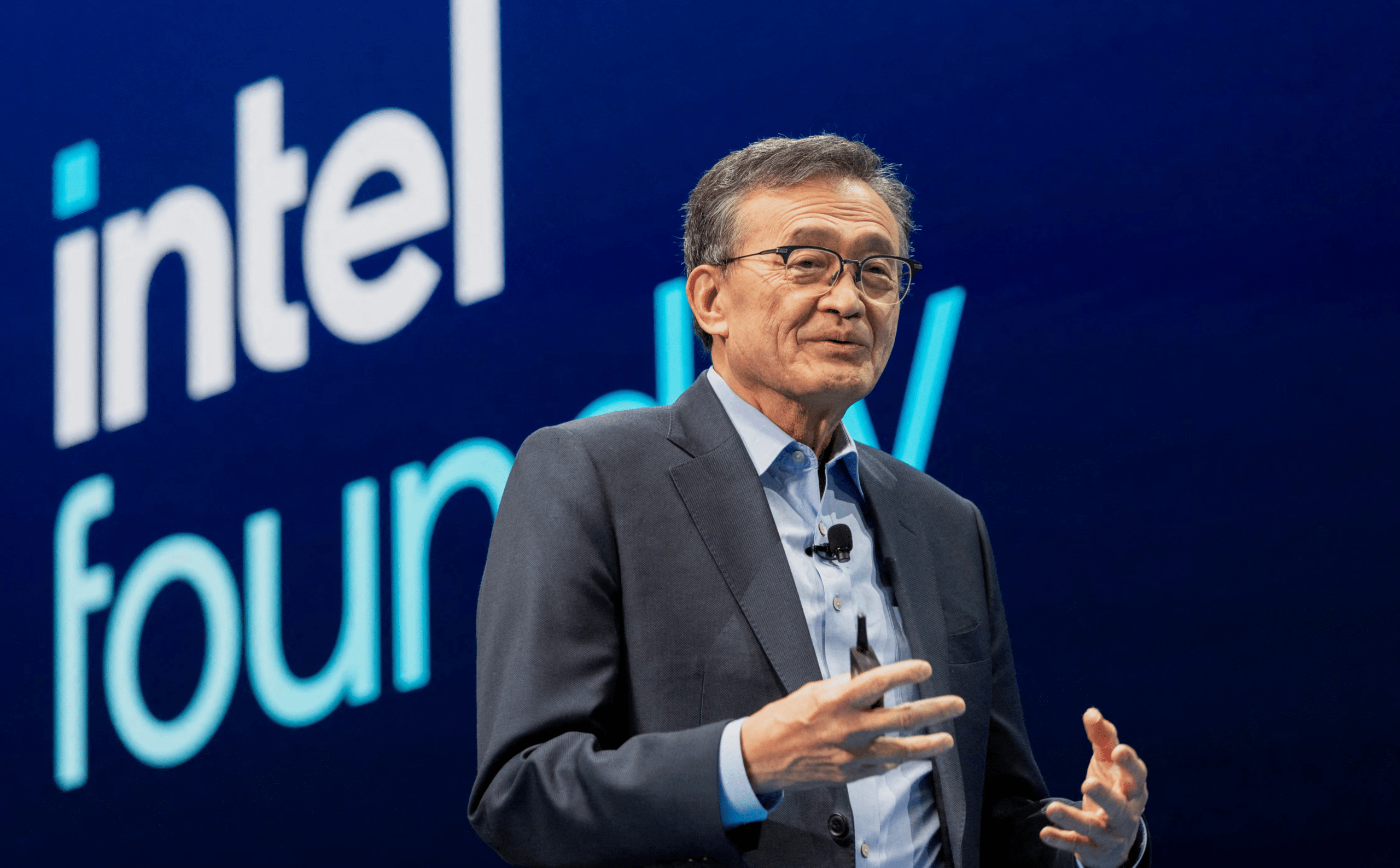
Intel CEO Lip-Bu Tan
“There are no more blank checks,” Intel CEO Lip-Bu Tan wrote in a memo to employees. “Every investment must make economic sense.”
Despite the internal restructuring and downsizing, Intel shares rose in after-hours trading. The company reported June quarter revenue of $12.9 billion—flat year-over-year but above Wall Street expectations.
However, the outlook remains mixed. Intel forecasted a third-quarter loss of 24 cents per share—steeper than analysts’ expectations of an 18-cent loss—despite projecting revenue between $12.6 billion and $13.6 billion, with a midpoint of $13.1 billion, also above consensus estimates.
Investors have pushed Intel shares up 14% this year, banking on Tan’s leadership to reverse years of underperformance. But uncertainty looms, especially as global trade tensions and macroeconomic pressures weigh on PC market growth. According to IDC, PC shipments grew 6.5% in the June quarter, though much of this was driven by front-loaded orders.
While semiconductors remain exempt from major tariffs imposed during the Trump administration, customer hesitation and cost-cutting are curbing demand.
Intel’s adjusted second-quarter loss was 10 cents per share, compared to analysts’ expected profit of 1 cent. On an unadjusted basis, the loss widened to 67 cents per share—more than double market estimates of a 26-cent loss.
As part of its broader strategic shift, Tan is moving away from the costly 18A chip process championed by predecessor Pat Gelsinger. Instead, Intel is now betting on its 14A technology to win large external contracts. The company also sold a 51% stake in its Altera programmable chip unit in April for $4.46 billion.
Intel said restructuring efforts—including the job cuts—added $1.9 billion to its second-quarter costs.
With major changes already underway globally, attention now turns to whether Intel’s Australian division will survive the axe as the company pushes forward with one of the most significant restructures in its history.