IKEA Launches 20+ Matter-Compatible Smart Home Devices to Replace Zigbee Lineup
 Isabella Alexiou
10 Jul 2025
Isabella Alexiou
10 Jul 2025

IKEA is making its biggest push into smart home technology with the announcement of more than 20 new Matter-compatible products launching in January 2025, positioning itself as one of the first major retailers to bring the open interoperability standard to mainstream consumers.
The Swedish furniture giant is also rebooting its audio offerings following the end of its Sonos partnership, starting with two new Bluetooth speakers available this year.
”Bringing Matter to our products means we are taking a big step in the right direction, offering compatibility across brands, and lowering the threshold for people to get started,” said David Granath, range manager at IKEA of Sweden.
The move represents a strategic shift from the company’s previous Zigbee-based smart home ecosystem to the more open Matter standard developed by Apple, Amazon, Google, Samsung, and other tech giants.
The January launch will include new smart bulbs, plugs, sensors, remotes, buttons, and air-quality monitoring devices, including temperature and humidity monitors, all designed to replace existing functions in IKEA’s smart home lineup.
These Matter-over-Thread products will work directly with any compatible smart home ecosystem, including Apple Home, Amazon Alexa, Google Home, Samsung SmartThings, and Home Assistant, eliminating the need for IKEA’s proprietary hub or app.
IKEA has updated its Dirigera smart home hub with beta software that transforms it into a Matter Controller and activates its Thread radio, making it a Thread border router capable of connecting to and controlling any compatible Matter device.
The hub now supports Matter 1.4 and Thread 1.4, enabling energy monitoring and the ability to join existing Thread networks while maintaining backward compatibility with IKEA’s existing Zigbee devices.
The company is preserving Zigbee’s Touchlink functionality, allowing point-to-point device pairing without apps or hubs, ensuring older Zigbee remotes can control newer Thread bulbs and vice versa.
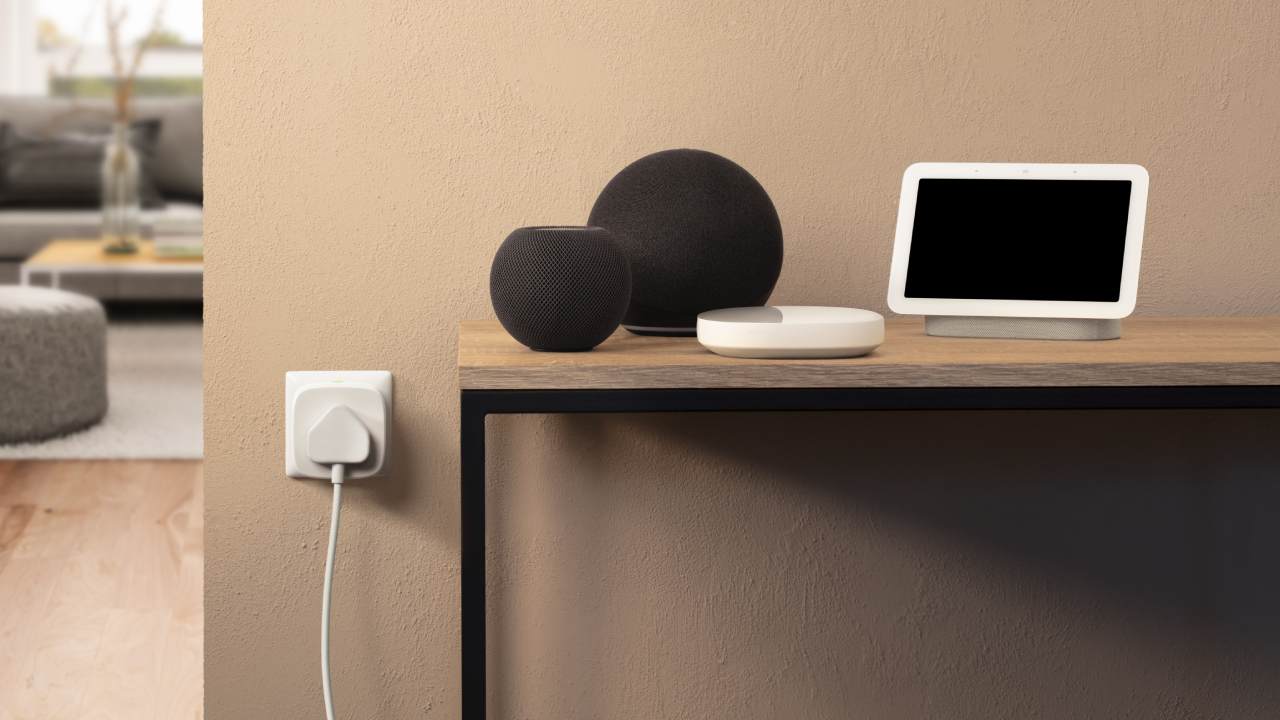
This approach maintains the simplicity that IKEA customers expect while transitioning to more advanced technology standards.
Pricing for the new Matter devices will be comparable to or lower than existing products, which start under $10, reinforcing IKEA’s commitment to affordability in smart home technology.
“The premium to make a product smart is not that high anymore, so you can expect new product types and form factors coming,” Granath explained.
“Matter unlocks interoperability, ease of use, and affordability for us.”
In the audio category, IKEA is introducing the $50 NATTBAD speaker, designed to resemble a vintage radio and available immediately, along with the BLOMPRAKT table speaker-lamp hybrid coming in October.
These devices support features like multi-speaker setup and Spotify Tap, marking IKEA’s first new speakers since ending its partnership with Sonos earlier this year.
The transition to Matter represents a potentially risky move as the standard has faced fragmentation and adoption challenges since its launch.
However, Granath believes IKEA’s mainstream appeal makes it an ideal catalyst for broader Matter adoption.
“IKEA is a good catalyst for the mass market, as we’re not aiming for the techy people; we can make it affordable and easy enough for the many people,” he said.
The company’s approach reflects lessons learned from working with Zigbee and Sonos over recent years, combined with its involvement in founding and developing the Matter standard.
Additional product categories will arrive in April and beyond, potentially including Matter-over-Wi-Fi products as IKEA continues expanding its smart home ecosystem.
IKEA’s full embrace of Matter positions the company to significantly influence smart home adoption among mainstream consumers who prioritise simplicity and affordability over advanced technical features.
The open standard approach allows customers to choose their preferred smart home ecosystem while benefiting from IKEA’s competitive pricing and design aesthetic.