IFA 2026: AMD Teases Major AI Announcements For Opening Keynote
 Joe Gallop
31 Aug 2026
Joe Gallop
31 Aug 2026
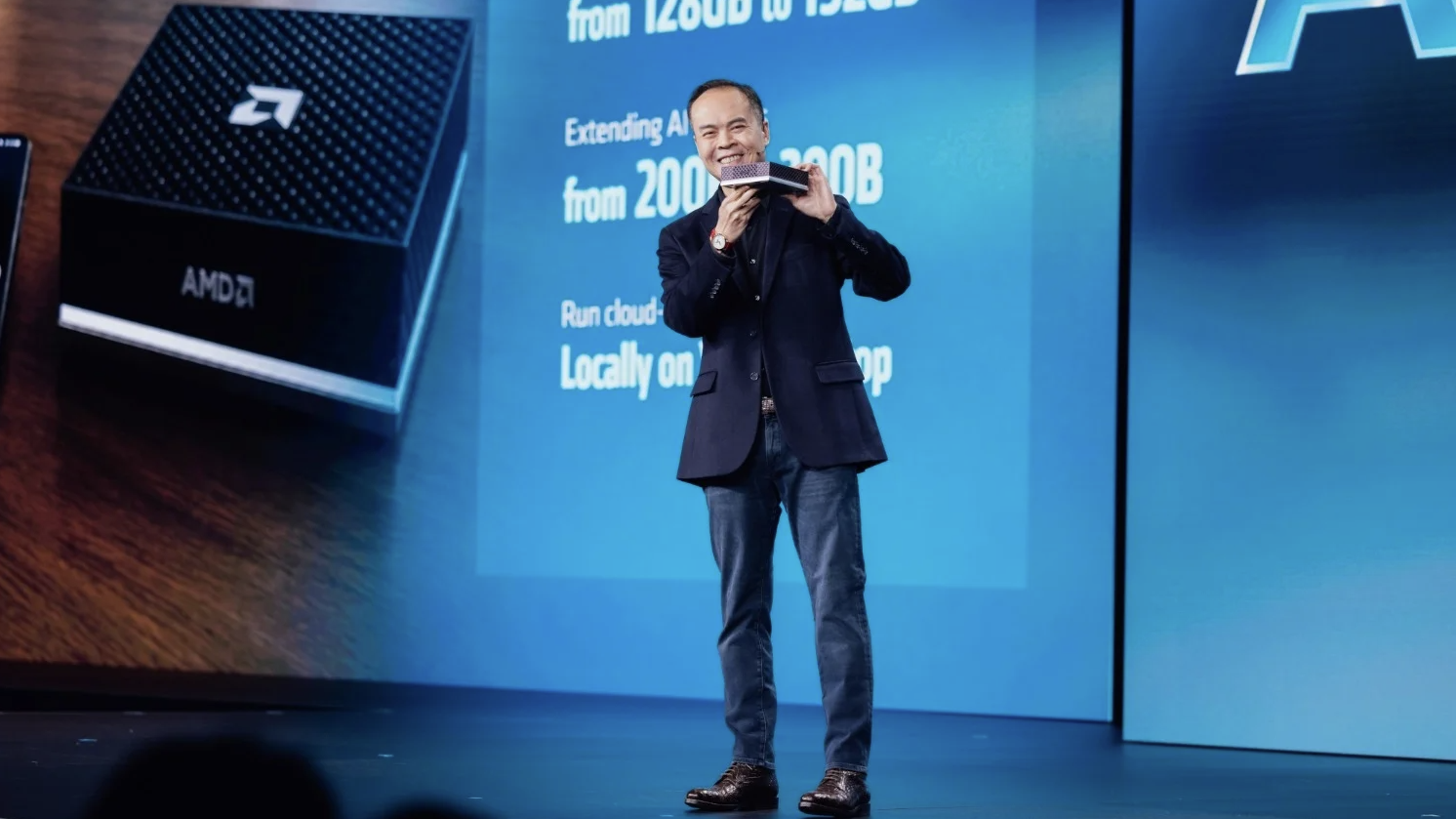
AMD will open IFA 2026 with a keynote focused on personal AI, potentially setting the stage for the launch of its Ryzen AI Max Pro 400 processors.
Jack Huynh, AMD’s senior vice president and general manager of its Computing and Graphics Group, will deliver the keynote, titled ‘The Era of Personal AI: The Future of Imagination’, at the Innovation Stage in Berlin on September 4.
The presentation begins at 11am local time, or 7pm AEST.
AMD has not confirmed which products will appear, saying only that Huynh will share the company’s vision for the next era of computing and discuss how AI could transform the relationship between people and technology.
However, speculation is building that AMD will use the event to reveal availability details for its Ryzen AI Max Pro 400 series.

AMD outlined the processors ahead of Computex 2026 and indicated they would begin shipping during the third quarter. With September marking the end of that window, IFA could provide a logical launch platform.
The flagship Ryzen AI Max Pro 400 chips are expected to offer as many as 16 Zen 5 CPU cores, clock speeds reaching 5.2GHz and up to 40 RDNA 3.5 graphics compute units.
Systems could also support as much as 192GB of unified memory, positioning the platform for demanding local AI models and professional workloads. The unusually large memory pool could make the chips a direct competitor to compact AI development systems such as Nvidia’s DGX Spark, which has 128GB.

AMD may also provide updates on its FidelityFX Super Resolution technology. The company is extending its FSR 4 ‘Redstone’ features across multiple generations of Radeon architecture while developing the next-generation FSR ‘Diamond’ platform.
A preview of AMD’s upcoming Zen 6 processors is also possible, although no major desktop CPU or graphics card launch has been confirmed.
IFA Management chief executive Leif Lindner said AMD’s return reflected the growing importance of high-performance computing, graphics and AI across consumer devices.