IDC Distances Itself From Robot Vacuum Market Claims As Revived iRobot Prepares Australian Comeback
 David Richards
17 Jun 2026
David Richards
17 Jun 2026
As Dreame and Roborock continue to battle over who can claim the title of Australia’s number one robotic vacuum brand, both citing IDC market data to support their position, ChannelNews has confirmed that IDC does not collect appliance or robotic vacuum cleaner sales data in Australia.
Industry sources have told ChannelNews that the figures being referenced stem from shipment claims supplied by the Chinese manufacturers themselves, raising fresh questions about the credibility of the market leadership claims being made by several brands operating in Australia.
The revelation follows similar claims made by Ecovacs just 12 months ago, when the Chinese manufacturer also promoted IDC data to position itself as the country’s leading robotic vacuum brand.
Now, an established name with new owners is preparing to challenge all three major Chinese players.
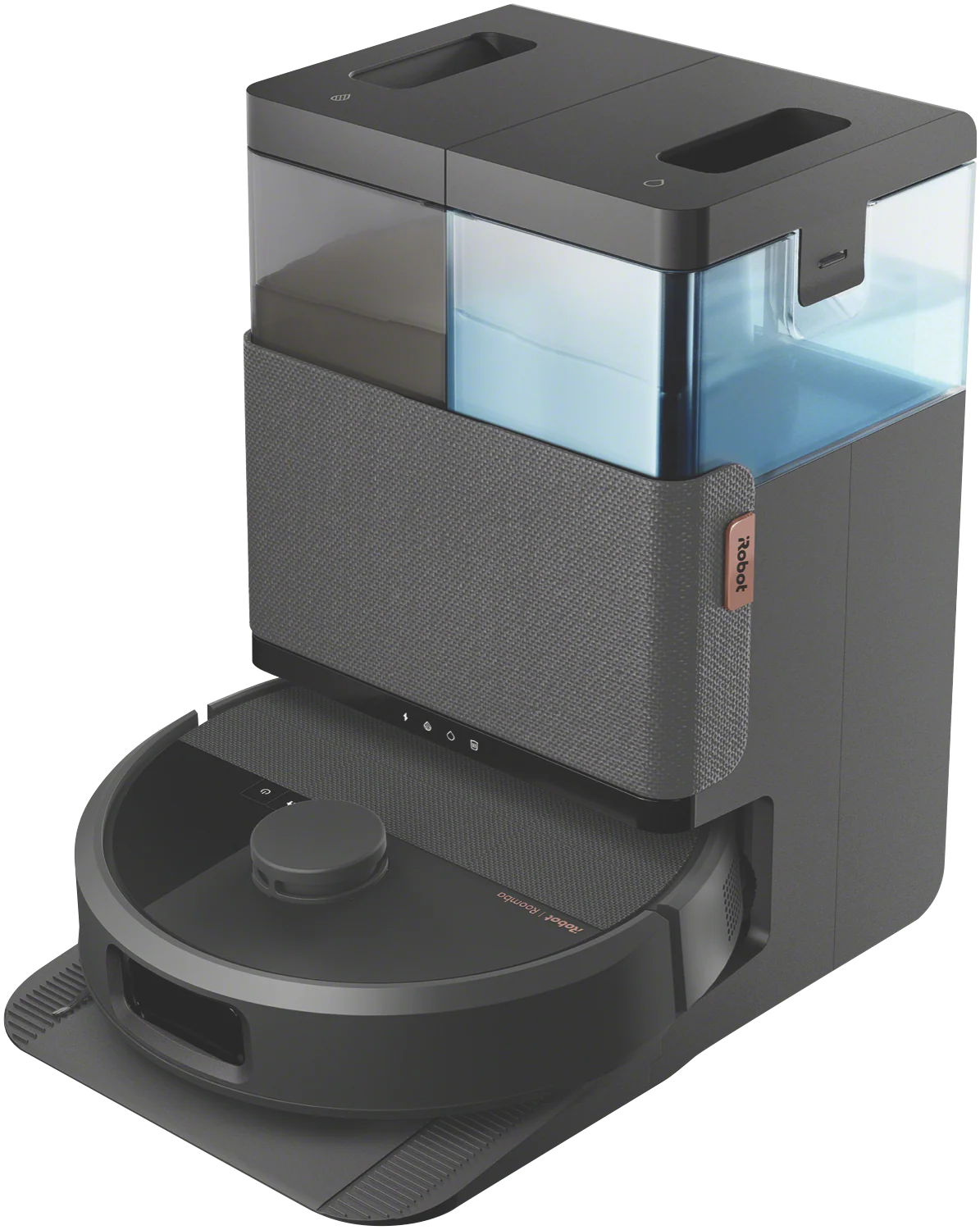
iRobot, the pioneering US robotics company that effectively created the consumer robotic vacuum category through its Roomba brand, is set for a major relaunch in Australia with a completely new range of products, new technology and the backing of one of the world’s largest robot vacuum manufacturers.
The return comes after a turbulent period for the company, which saw Amazon’s proposed takeover blocked by regulators before iRobot ultimately entered bankruptcy proceedings.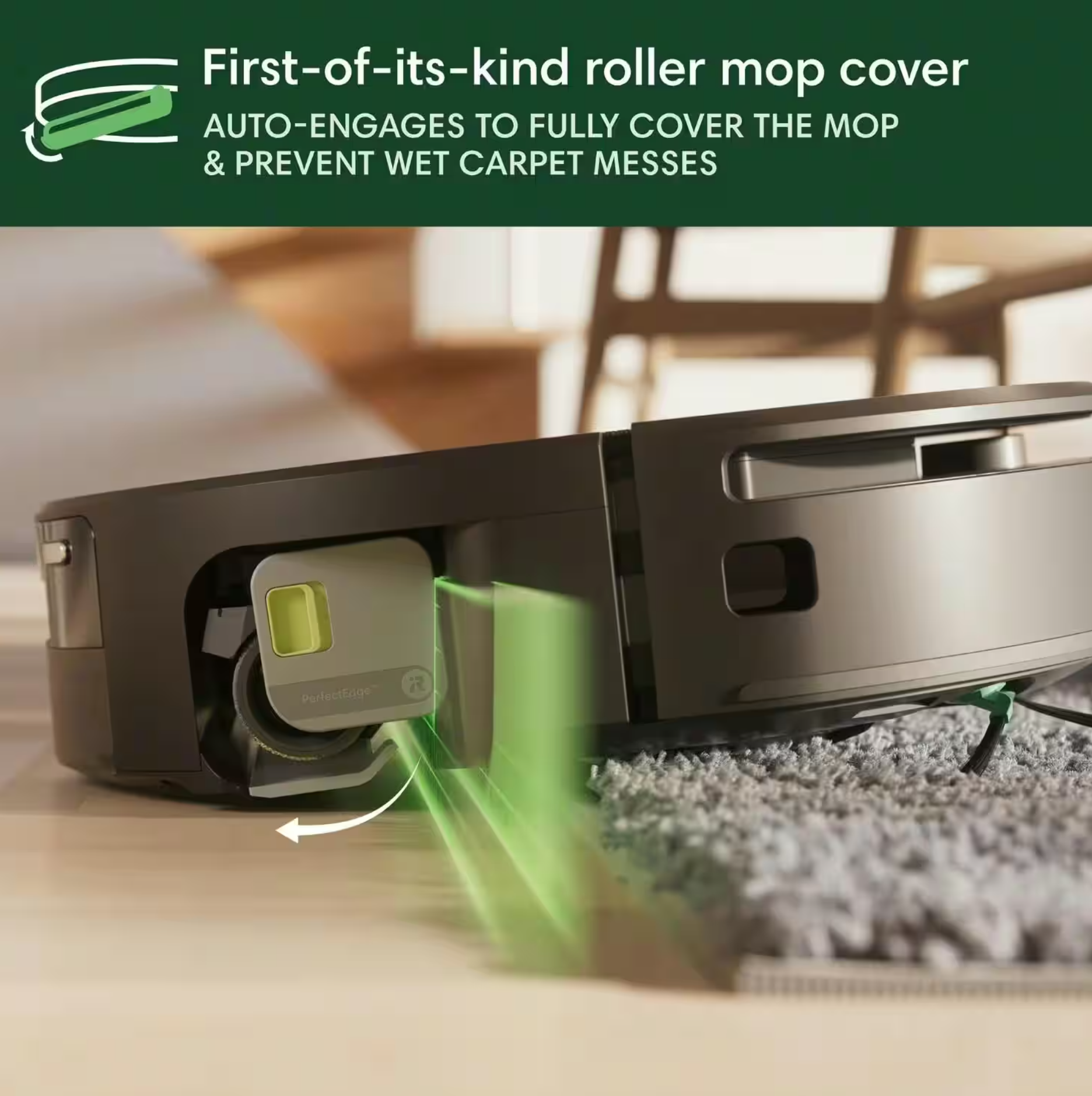
Today, iRobot has emerged from restructuring under new ownership and with significant financial backing.
The company is now privately owned by Shenzhen PICEA Robotics Co Ltd and Santrum Hong Kong Co., Limited, collectively known as Picea, which acquired 100 per cent of iRobot through a court approved restructuring process.
The deal was formalised after iRobot filed a prepackaged Chapter 11 bankruptcy plan in December 2025.
Importantly, Picea was no stranger to the business.
The Chinese manufacturer had already been producing Roomba products as a contract manufacturing partner while simultaneously building products for major competing brands, including Shark, Dyson, Eufy and 3i.
As one of iRobot’s largest creditors, Picea converted approximately US$254 million in claims into full ownership of the company, wiping out existing shareholders in the process.
Picea operates major research, development and manufacturing facilities across China and Vietnam and is regarded as one of the largest robotic vacuum manufacturers in the world.
Company executives say the restructured iRobot will focus on accelerating innovation, expanding its smart home ecosystem and delivering next generation robotics products designed specifically for Western markets.
In Australia, iRobot products continue to be distributed by Melbourne based iXL Home.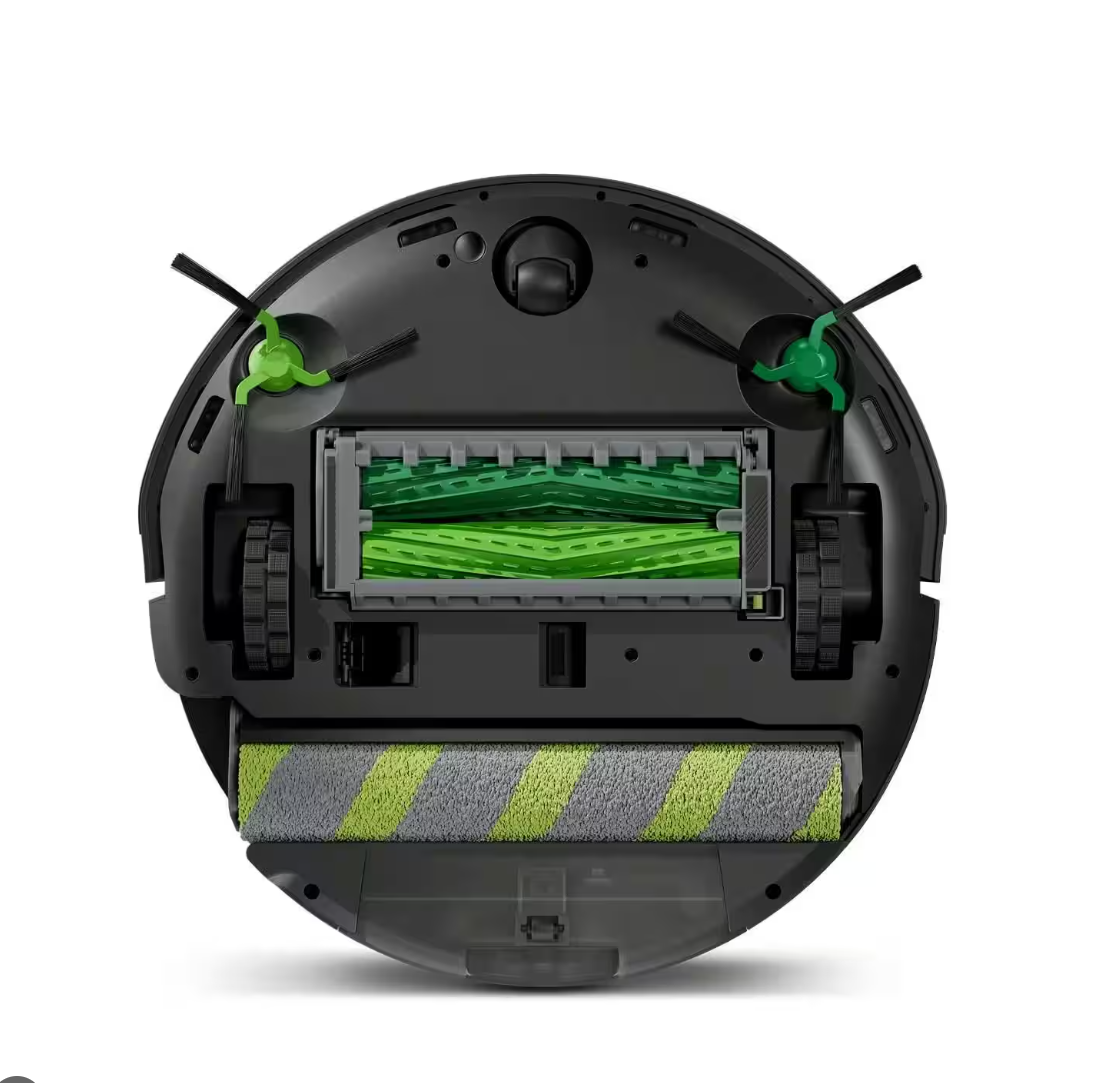
ChannelNews understands that an all new iRobot range is already in production, with products expected to launch locally during the second half of this year.
Future Roomba models scheduled for release in 2026 are also understood to be in production.
Despite the ownership change, iRobot has retained its US workforce and continues to operate from its American headquarters.
The company’s relaunch comes at a time when concerns surrounding data security and privacy have intensified across the robotic vacuum sector.
Questions have been raised by regulators and privacy advocates regarding Chinese manufactured robotic vacuum cleaners equipped with Wi Fi connectivity, cameras and advanced mapping technology, including products sold by Roborock, Dreame and Ecovacs.
In response, the new owners have established a dedicated US based data protection entity known as iRobot Safe.
According to the company, the independent subsidiary has been created specifically to protect Western consumer data and strengthen global data governance practices.
Industry observers view the move as a direct response to growing concerns about Chinese connected devices collecting and processing sensitive household information.
Whether the creation of iRobot Safe will satisfy regulators and critics remains to be seen.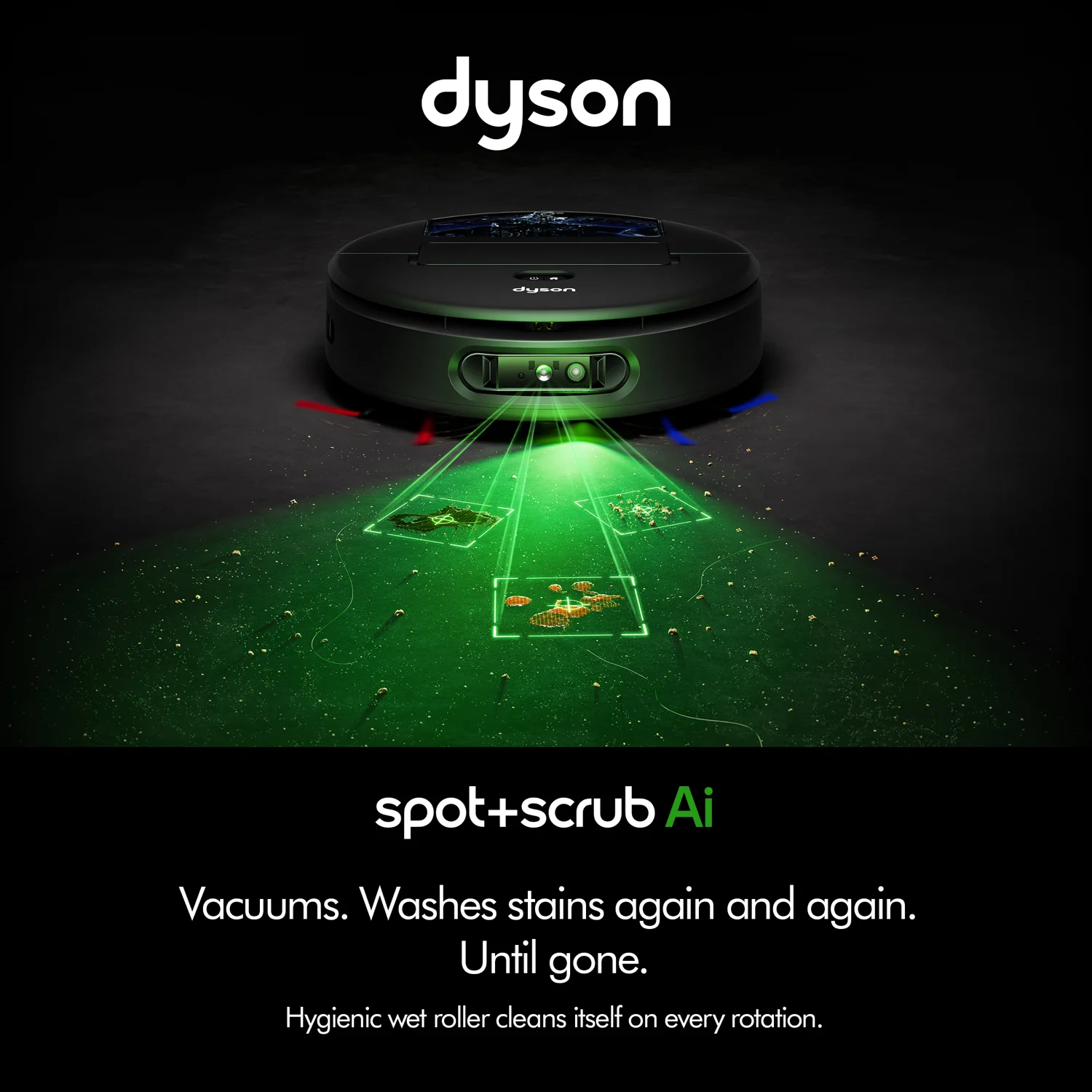
Meanwhile, reports have emerged that PICEA is also manufacturing robotic products for Dyson, including the company’s newer Spot & Scrub AI robotic cleaning systems.
PICEA is believed to have manufactured more than 20 million robotic vacuum cleaners globally and employs more than 7,000 staff, making it one of the largest and most influential companies operating behind the scenes in the rapidly expanding robot vacuum market.
With Chinese brands facing increasing scrutiny over market share claims and data privacy concerns, the return of iRobot could set the stage for one of the most significant battles the Australian robotic vacuum market has seen in years.