HP Amits A 35% Surge In PC Components Is Coming Retailers Set To Be Hit
 David Richards
26 Feb 2026
David Richards
26 Feb 2026
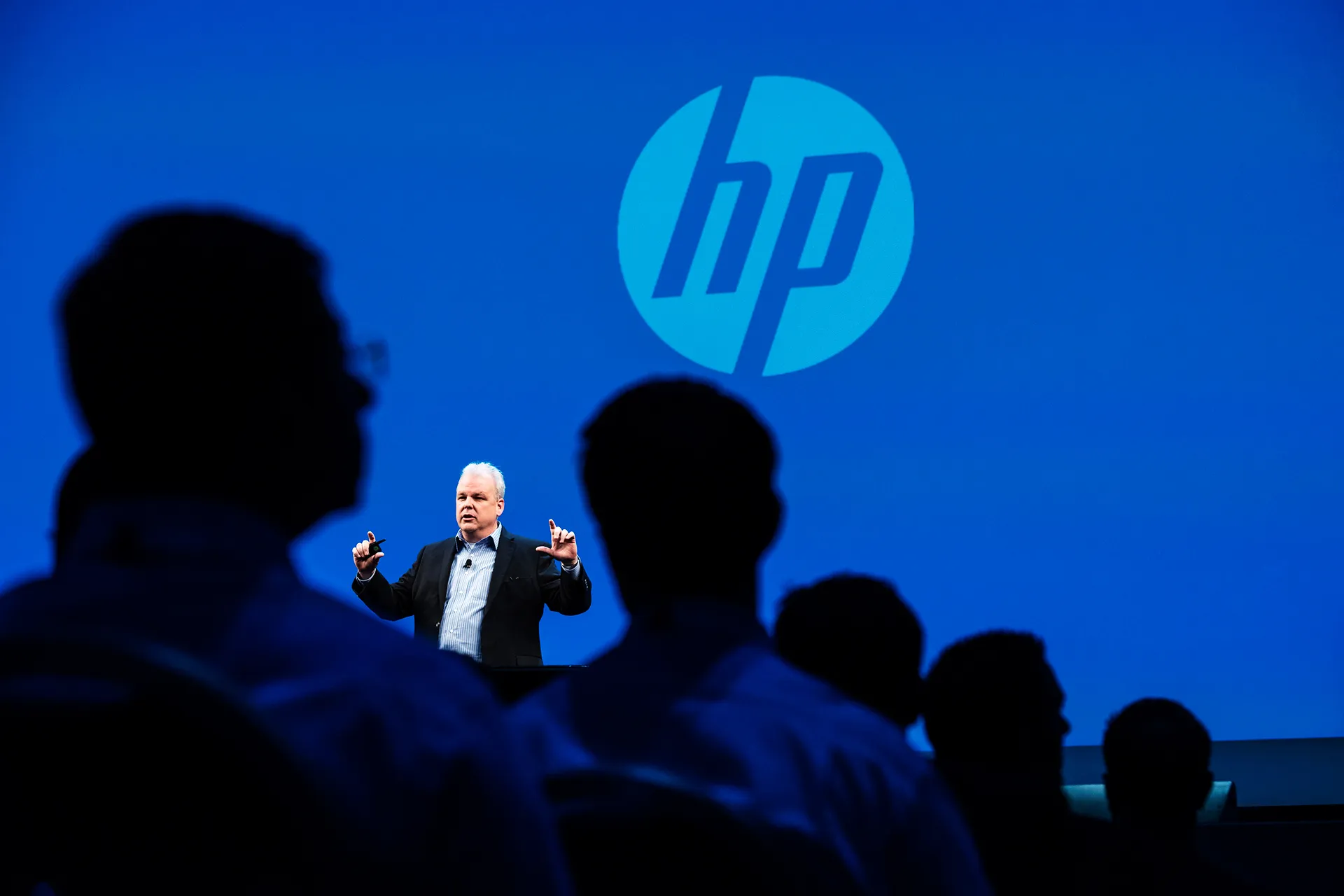
Leading US PC maker HP has issued a stark warning that the cost of memory — a critical component in laptops, notebooks, tablets and even smartphones — could surge by as much as 35%, intensifying cost pressures across retail markets already battered by inflation.
The announcement comes at a precarious moment for the global technology supply chain, where analysts say an “extraordinary memory shortage” is emerging, raising the risk of broad price hikes for consumer electronics.
“We did share last quarter that memory and storage costs made up roughly 15% to 18% of our PC bill of materials, and we now currently estimate this to be roughly 35% for the year,” CFO Karen Parkhill said on HP’s latest earnings call. She confirmed that HP will pass through price increases to customers to counteract the surge.
Industry tracking data show that HP is the second-largest PC vendor globally, capturing roughly 21–21.3% of worldwide PC shipments in 2025, behind Chinese brand Lenovo and ahead of Dell.
Globally shipped units have risen significantly, with total worldwide PC shipments exceeding 270 million in 2025 — a 9.1% increase year-over-year — driven by strong notebook demand and refresh cycles ahead of memory price movements.
This means HP’s move in the market is crucial: any increase in its production costs has ripple effects for prices everywhere — from JB Hi Fi and The Good Guys shelves to specialist resellers in Australia.
“RAMageddon”: Supply Shock Meets AI Demand
The memory crunch, already dubbed “RAMageddon” by industry analysts, stems from a reshuffling of global memory production. Manufacturers Samsung, SK Hynix, and Micron have shifted large portions of their cleanroom capacity toward high-margin AI data-centre memory — notably High Bandwidth Memory (HBM) and server DRAM — leaving less capacity for mainstream consumer DDR4 and DDR5 modules.
The result? Contract prices for RAM for manufacturers have ballooned, with some reports indicating upwards of a 100% increase, prompting knock-on rises for finished laptops and PCs.
Compounding supply woes, Micron has announced the retirement of its Crucial consumer brand, redirecting the rest of its memory supply chain toward enterprise and AI contracts — further tightening the market for consumer PCs.
OEMs Brace and Push Prices Up
Major OEMs are reacting in defensive mode. HP is actively seeking alternative memory suppliers and lower-cost sourcing, while competitors such as Acer are exploring smaller vendors outside the dominant “big three.” At the same time, manufacturers including MSI, Acer, ASUS, Dell, and Lenovo have already signalled future model price increases in response to rising memory costs.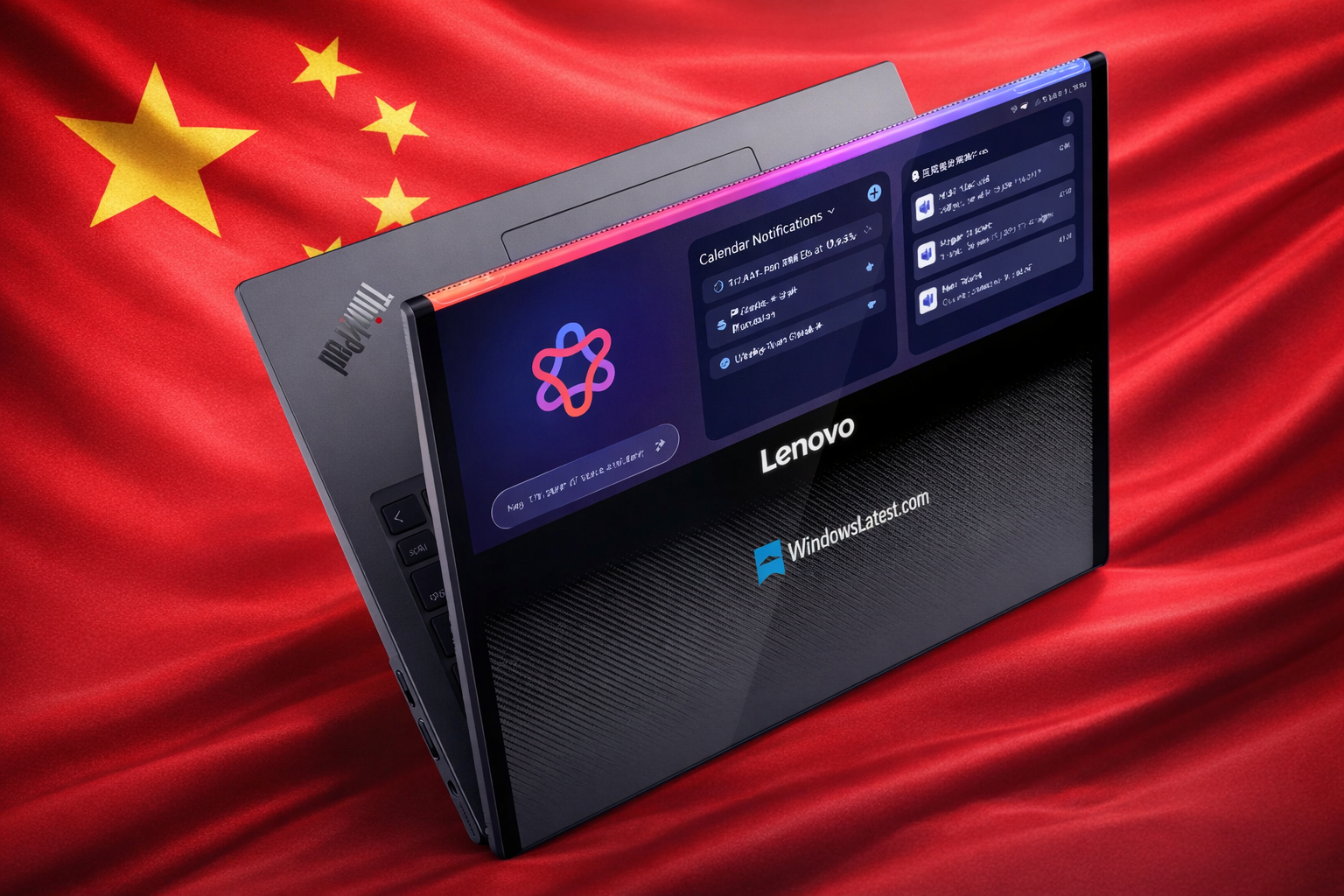
Chinese brand Lenovo has reportedly stockpiled up to 50% more memory inventory at the old prices, than usual to hedge against escalating prices, raising concerns it may pass costs onto consumers and pocket the profit by selling at an increased price.
Large distributors and module makers are echoing patterns seen during the infamous GPU shortage of 2021, stockpiling inventory and decoupling spot prices from long-term contract rates — a dynamic that threatens to keep component prices elevated throughout 2026.
Secondary Price Pressures and Market Shifts
Adding fuel to the fire, many manufacturers are voluntarily winding down DDR4 production to force a full industry transition to DDR5, reducing the availability of older, budget-friendly memory components and squeezing the low-end PC segment.
This “programmed scarcity” is making even entry-level laptops and desktops more expensive. Retailers in countries like Australia, already coping with stubborn inflation and weak consumer sentiment, are bracing for tighter margins and slower sales.
AI PC Demand: Contradictions in the Market
HP executives also revealed that 35% of its recent PC sales were “AI PCs”, underscoring a shift in demand toward systems capable of AI workload acceleration — a factor that could further strain memory supply since AI-capable machines need more high-bandwidth memory.
This stance stands in sharp contrast to Dell, whose head of product recently stated that “consumers are not buying based on AI” and that the concept “confuses” buyers rather than driving purchases — illustrating a rift in how major vendors see future market demand.
What this means for consumers:
Expect higher laptop and PC prices in 2026 as manufacturers pass on soaring RAM costs.
Entry-level machines, long a gateway for students and budget buyers, are likely to be hit hardest by memory-driven price inflation.
Retailers in already-stressed economies — like Australia — face a difficult balancing act between stocking inventory and avoiding margin erosion.