Hisense Takes The Lead With Dolby Vision 2 Rollout
 Emma Wheaton
10 Aug 2026
Emma Wheaton
10 Aug 2026
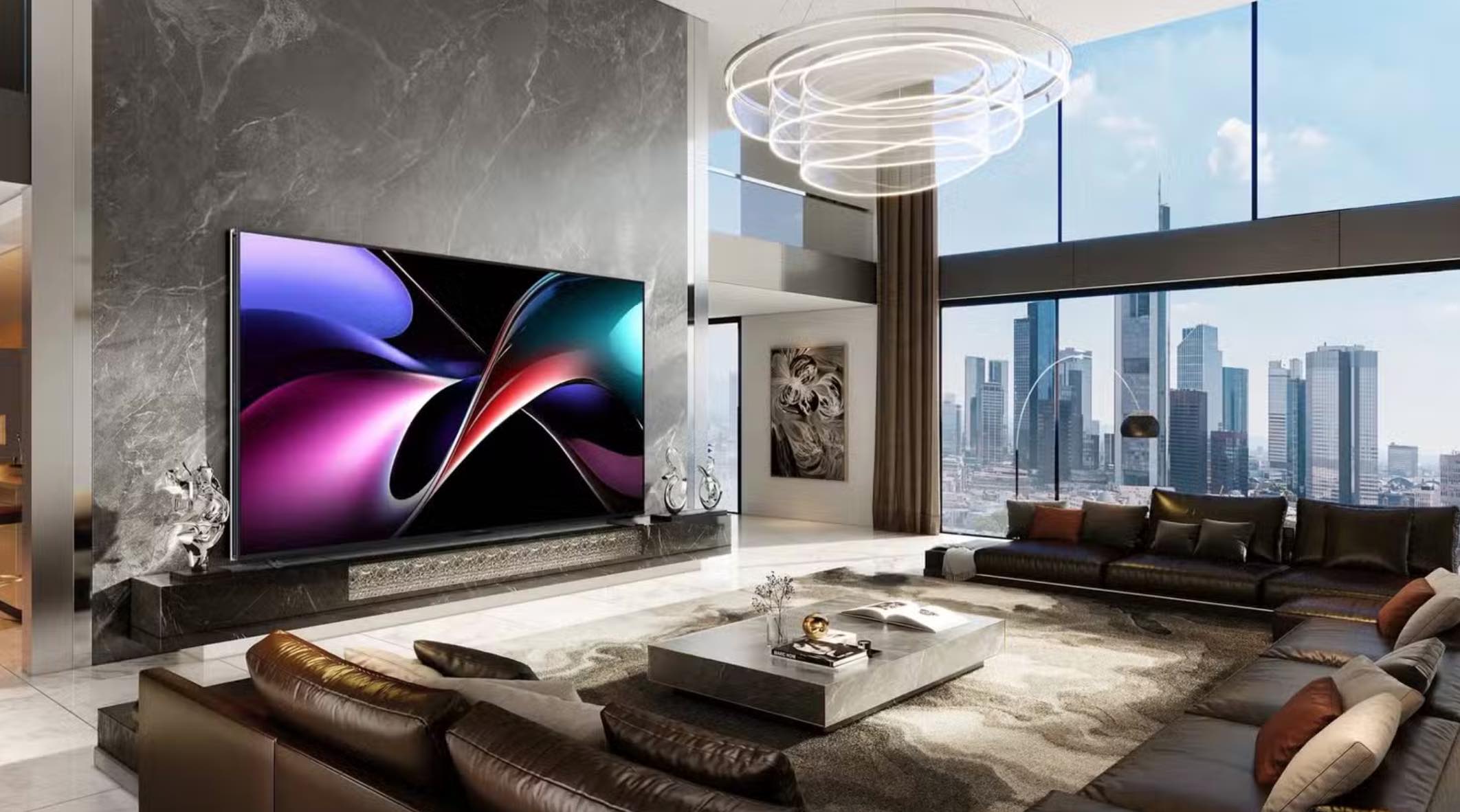
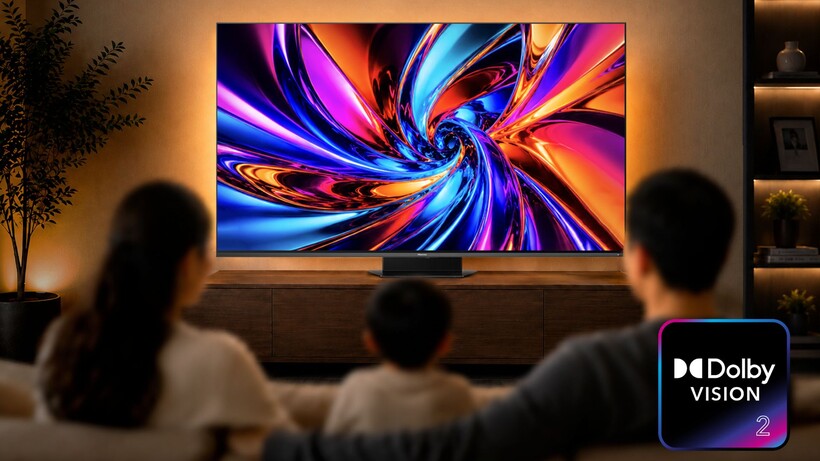
Hisense has become the first TV manufacturer to begin rolling out Dolby Vision 2, giving the Chinese brand an early lead in the next generation of HDR television technology.
According to Hisense and Dolby, the firmware update is being rolled out globally and will bring the advanced picture experience to select Hisense models over the coming weeks.
It is a significant update as Dolby Vision 2 requires a firmware upgrade to activate the new HDR standard on compatible 2026 televisions. Hisense’s first compatible models include its 2026 UX, UR9, UR8 and U7 ranges, with the U7 Pro designation applying to models in Europe, the Middle East, Africa, Canada and South America.
Hisense is rolling out Dolby Vision 2 Max, the premium version of the new technology, rather than simply the standard Dolby Vision 2 implementation.
Among the features of Dolby Vision 2 include a new image engine and Content Intelligence, designed to improve the way HDR content is processed and displayed. Meanwhile the Dolby Vision 2 Max version adds three additional technologies: Authentic Motion, Light Sense 2 and Pro settings.
The Authentic Motion technology is designed to deliver improved motion handling. Dolby says the feature is motion smoothing, approved by filmmakers. This new technology will potentially address one of the longstanding complaints around artificial-looking motion processing.
Light Sense 2 automatically adapts picture performance to the viewer’s environment, which means the TV will adapt and respond to changes in ambient light in a room or area.
The new Pro controls are aimed at giving users greater control over the Dolby Vision 2 picture experience.
Importantly for retailers, Hisense says consumers should see improvements even with existing Dolby Vision content, meaning the benefit of the firmware update does not depend entirely on waiting for a new generation of Dolby Vision 2 content.
This gives Hisense a potentially valuable in-store sales message: compatible 2026 televisions can receive a significant picture-processing upgrade without the customer needing to replace the TV.
The timing also gives Hisense a first-mover advantage, with TCL and Philips expected to introduce Dolby Vision 2 updates for selected models later this year.
Interestingly LG and Sony are not supporting Dolby Vision 2 on their 2026 TVs, while Samsung does not support Dolby Vision in any form.
That leaves Hisense with a strong differentiating feature. Streaming services are also preparing for Dolby Vision 2. CANAL+, iQIYI and Peacock are among the platforms said to be planning to use the expanded capabilities of the format.