Has Apple Dropped Their Dacks To The Chinese Communist Party To Get Sales?
 David Richards
27 Jan 2022
David Richards
27 Jan 2022

Apple’s iPhone was China’s top-selling smartphone brand in 2021’s final quarter and the big US Company is desperate to curry favour with the Chinese Communist party, so much that the next generation of iPhones and MAC computers are going to be more Chinese than previous models.
The big question is whether Apple have dropped their dacks to the Chinese Communist party, who are demanding local manufacturing deals from big global brands who want to play in the Chinese market. The iPhone, which is assembled in China, is set to feature more Chinese components than ever before.
Chinese display giant BOE appear to be the beneficiary of the deal, with the Chinese Company appointed at the expense of Samsung to produce the OLED panels for the iPhone 15.
BOE is set to apply low-temperature polycrystalline oxide (LTPO) technology on the OLED panels it will manufacture at its latest factory B12 at Chongqing, China, sources say.
LTPO technology allows for a 120Hz variable refresh rate on the screen.
So far, BOE has only supplied 6.06-inch OLED panels for lower-tier iPhones.
It will be supplying the same panel for the standard model in the iPhone 14 series launching this year.
Apple began using LTPO OLED panels with the Pro line-up on the iPhone 13 series last year.
The panels were solely procured from Samsung Display, the world’s largest manufacturer of OLED panels.
The South Korean panel maker is also the sole supplier of the 6.06-inch OLED panel for iPhone 14 Pro that will launch later this year.
The new iPhone 13 helped Apple out-sell Chinese rivals Oppo after Huawei Technologies smartphone sales plummeted.
Counterpoint Research claims in a new report that Apple’s sales in the country surged 32% even while the overall domestic market shrank 9%, hurt by chip shortages and an economic slowdown that have constrained both production and consumer demand.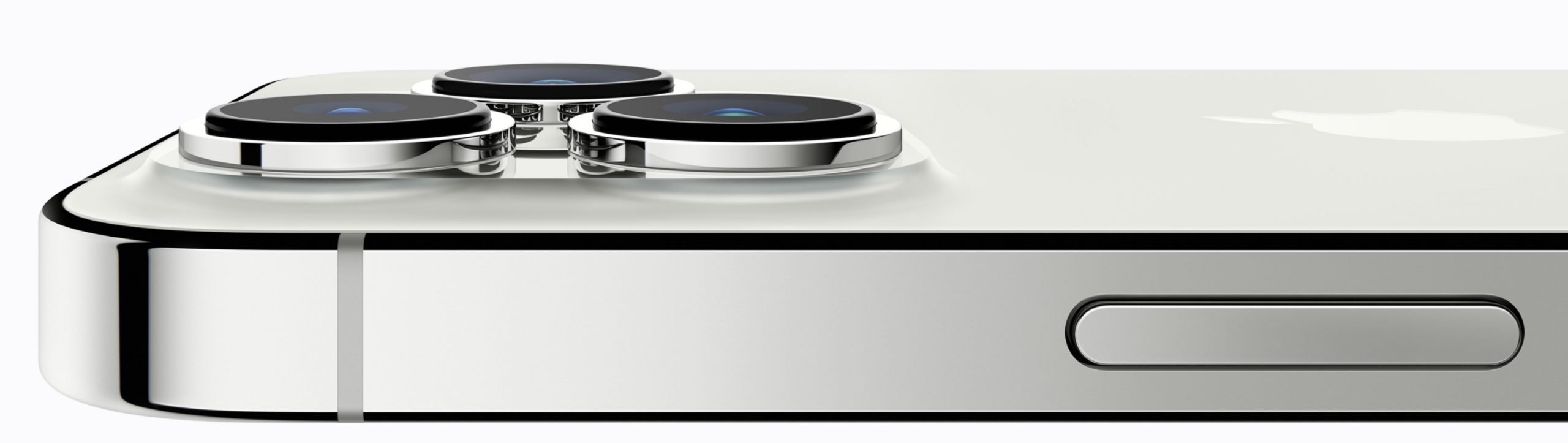
Bloomberg claims the demand for Apple in China has created a shift in market dynamics after US curbs on technology exports crippled Huawei’s smartphone business, briefly the world’s largest.
The Chinese networking giant was forced to spin off mobile arm Honor in 2020, which ranked fifth in the quarter after Xiaomi Apple’s Chinese market share hit a record 23% in the final three months of 2021, Counterpoint estimated.
“Apple’s stellar performance was driven by a mix of its pricing strategy and gain from Huawei’s premium base,” research analyst Mengmeng Zhang said in the report, which estimates sales of phones to end-users rather than shipments.
Globally, smartphone demand may remain depressed as inflationary pressures, an economic downturn and a slowing replacement cycle dampen sales, while a persistent chip shortage curtails output. Apple is said to have told its component suppliers that demand for the iPhone 13 line-up has weakened, signalling that some consumers have decided against trying to get the hard-to-find item.
China is seen as a massive market for Apple, with the Company desperate to avoid any conflict with the Communist Government. -19.”