Handheld Gaming Prices Surge As Lenovo Legion Go 2 Sees Sharp Increase
 April Ossington
07 Apr 2026
April Ossington
07 Apr 2026

Handheld gaming devices are becoming significantly more expensive, and Lenovo’s Legion Go 2 is a clear example of how quickly prices are climbing. What once seemed costly at launch has now been overtaken by a sharp increase, with listings showing the device at around A$2,300 for the Ryzen Z2 model and as much as A$3,100 for the Z2 Extreme version. Just six months ago, the higher-end model was priced closer to A$2,100, marking a rise of roughly A$1,000 in a short period.
At these levels, Lenovo’s premium handheld now sits well above some of its rivals. Devices with similar AMD hardware, such as alternatives from Microsoft and Asus, remain far cheaper, while even more powerful handheld PCs released last year were priced in a similar range to where Lenovo’s device now stands. For the moment, there are no confirmed price increases for competing products, though the broader trend suggests that may not last.
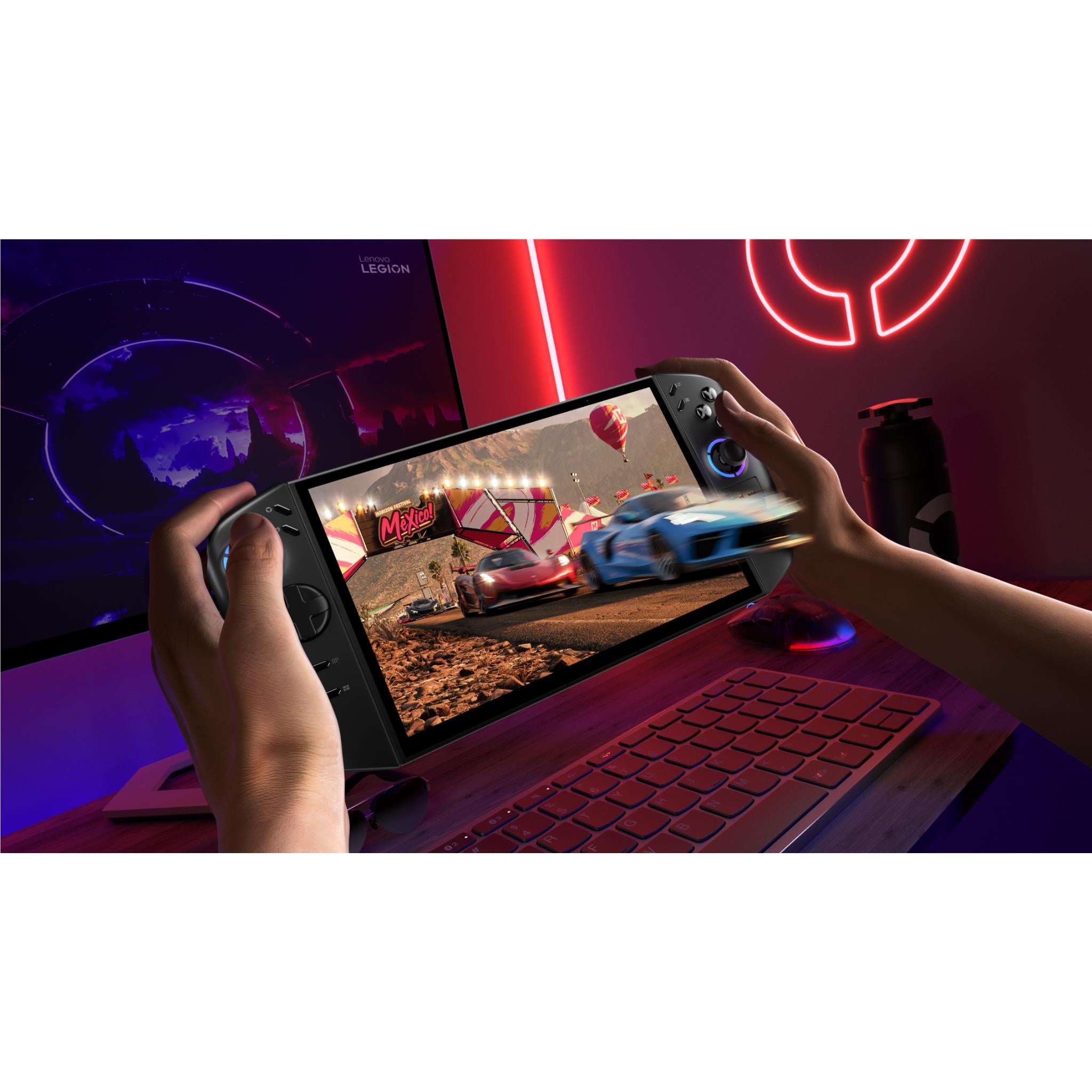
The Legion Go 2 still offers features that set it apart, including detachable controllers and a high-quality display, but its rising cost is becoming harder to justify. What was once considered a premium option is now edging into a price bracket that overlaps with far more capable systems.
Much of this shift is being linked to rising component costs, particularly memory. The impact is being felt across the gaming industry. Sony has already raised the price of the PlayStation 5 by around A$150 to A$230 depending on the model, while other manufacturers are rethinking their plans entirely. Ayaneo, for instance, has cancelled one of its upcoming handhelds after determining that storage costs made the project unviable.
Other companies are also adjusting their line-ups. Retroid has dropped a higher-memory version of one of its handheld consoles due to the same pricing pressures, and Valve has delayed parts of its hardware roadmap while it reassesses costs. Even upcoming consoles are rumoured to be affected by the ongoing increases in component pricing.
The result is a market where prices are rising faster than expected, especially for portable gaming hardware. Only recently, a modest increase of around A$150 was seen as notable. Now, jumps of several hundred dollars are becoming more common, reshaping expectations across the category.
There is also uncertainty around whether future variants, including versions running alternative software platforms, will meet their originally suggested pricing. With costs continuing to climb, it appears increasingly unlikely that earlier price targets will hold.