Googlebook Laptops to Launch With Intel, Qualcomm and MediaTek Chips
 Joe Gallop
14 May 2026
Joe Gallop
14 May 2026
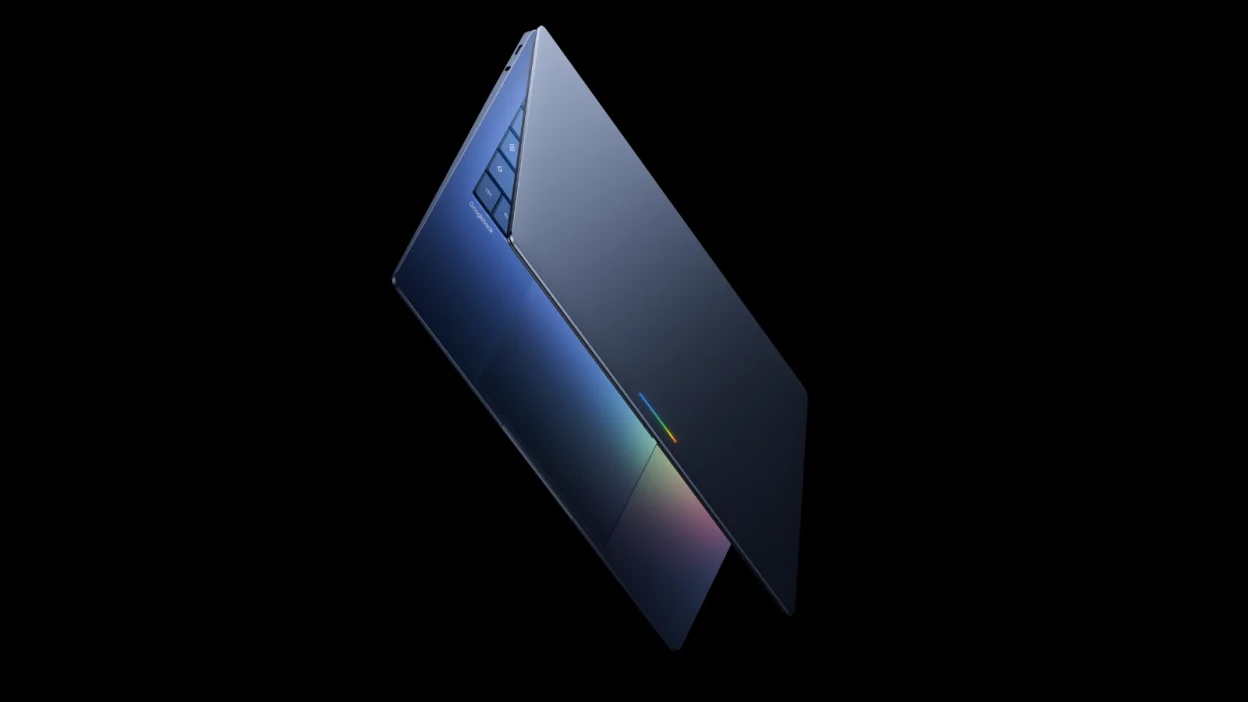
Google’s new AI-powered ‘Googlebook’ laptop platform will launch with chips from Intel, Qualcomm and MediaTek, giving buyers broader hardware choice and avoiding the pitfalls of relying on a single processor supplier.
The confirmation came after Google’s Android Show event this week, where the company unveiled the new Googlebook category – premium laptops built around Gemini AI and an Android-based operating system expected to replace ChromeOS.
Google VP John Maletis said Google is working with multiple silicon partners from day one, while Qualcomm and Intel have also publicly confirmed their involvement.
The move opens the door for both ARM and x86-powered devices, with manufacturers including Acer, ASUS, Dell, HP and Lenovo already signed on to build Googlebooks ahead of a planned spring 2026 Australian release window.
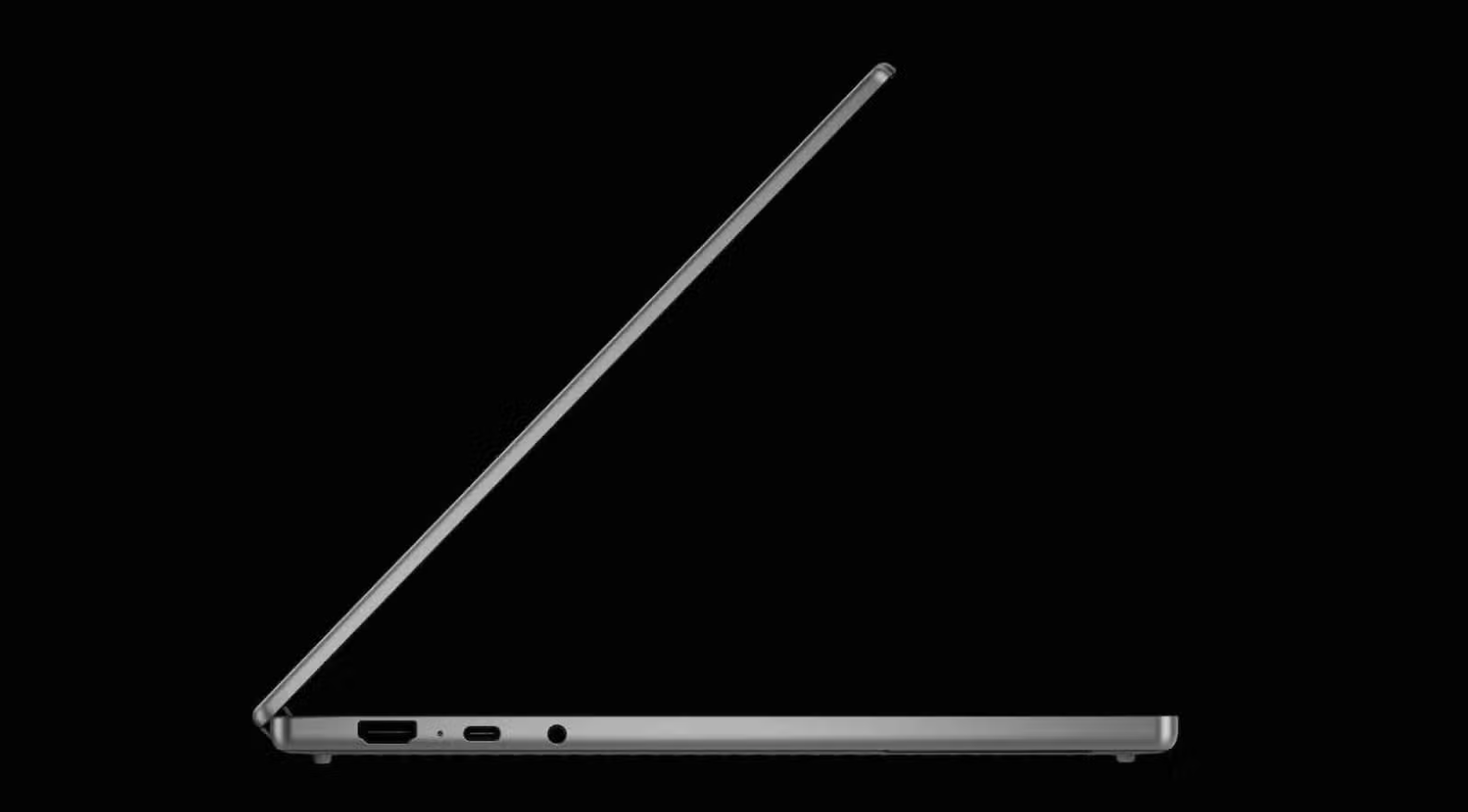
The multi-chip strategy is set to have a significant impact. It will allow vendors to target different price points and performance tiers while reducing the risk of supply or roadmap issues tied to a single chipmaker.
Google says every Googlebook will still meet strict hardware standards covering memory, storage, keyboards and build quality to ensure a consistent premium experience.
The company is positioning Googlebook as a direct challenge to Apple’s MacBook lineup and Microsoft’s AI PCs, with Gemini deeply integrated into the operating system rather than functioning as a standalone assistant.
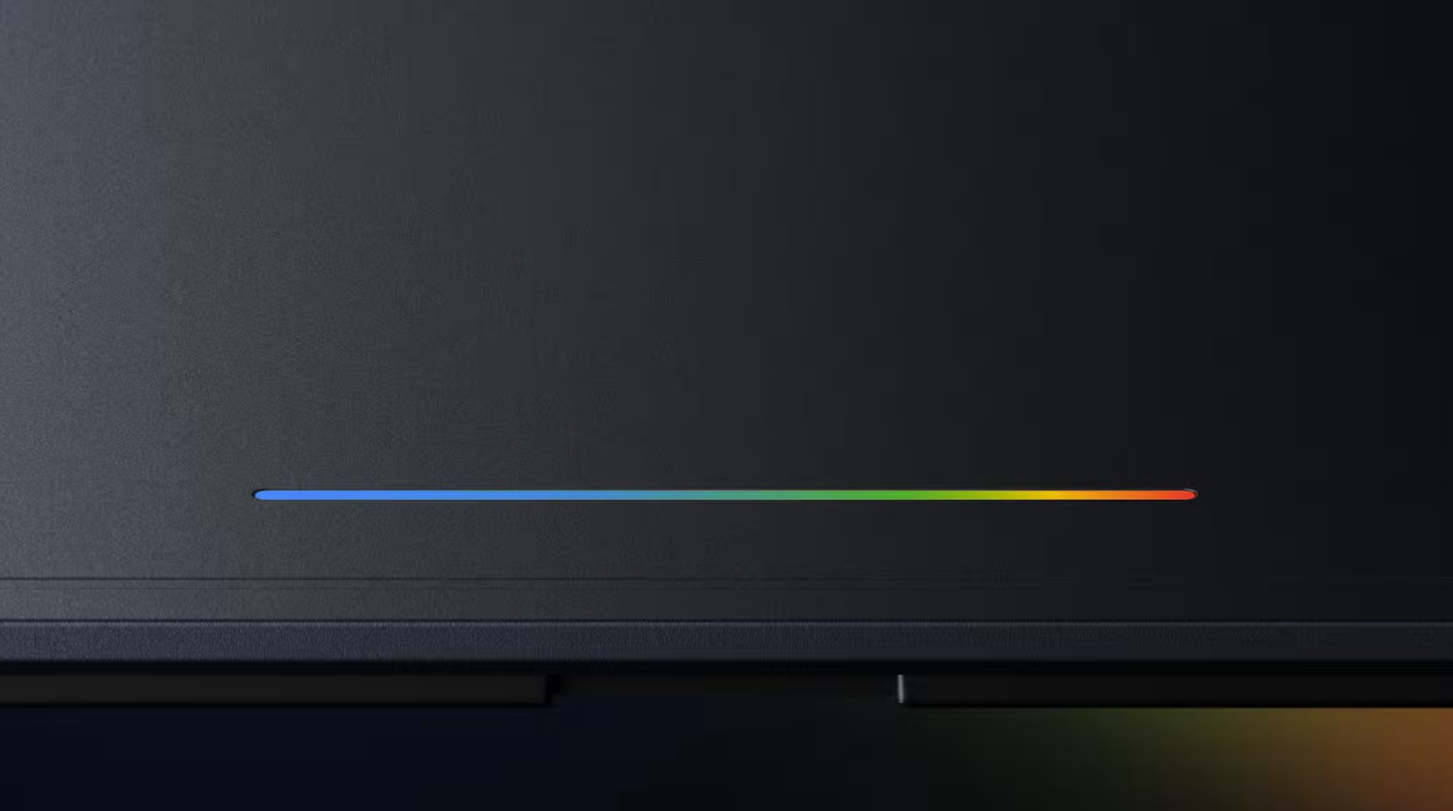
Among the headline features is ‘Magic Pointe’, a Gemini-powered cursor developed with DeepMind that delivers contextual AI suggestions directly from highlighted content on screen.
Googlebooks will also support Android apps natively, include seamless Android phone integration through a feature called Quick Access, and introduce AI-generated custom widgets pulling information from Gmail, Calendar and the web.
While pricing and final specifications remain under wraps, Google is expected to reveal more details at Google I/O later this month.