Google TV Passes 300 Million Devices As Global Smart TV Battle Intensifies
 April Ossington
27 May 2026
April Ossington
27 May 2026
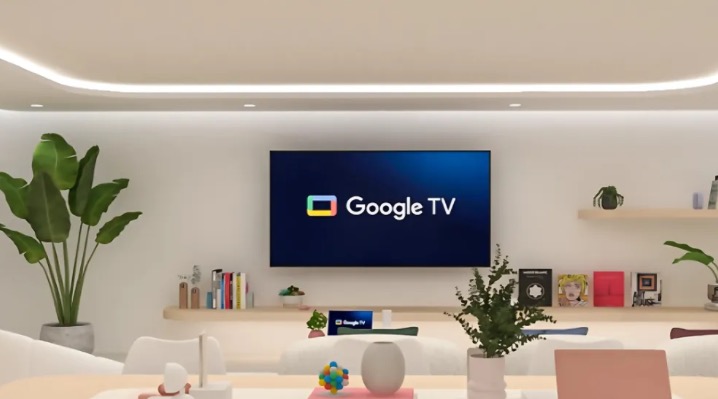
Google has revealed that Google TV and Android TV now power more than 300 million monthly active devices worldwide, cementing the company’s position as the leading smart TV platform despite signs that growth is beginning to taper off.
The announcement was made during Google I/O 2026, where Google highlighted the platform’s rapid rise over the past five years. Back in 2021, Google TV and Android TV combined had around 80 million active devices. That number has now surged past 300 million, driven by growing adoption across televisions, streaming boxes and smart home entertainment systems.
Speaking during the developer conference, Google TV Developer Relations Engineer Paul Lammertsma described the living room as a major opportunity for app developers and streaming services.
“With over 300 million monthly active devices across Google TV and Android TV, it’s clear that the living room is a massive, distinct platform for apps to accelerate growth,” he said.
Industry analysis from Data Intelo suggests the platform now controls around 31 per cent of the global smart TV market, ahead of Samsung’s Tizen operating system on 22 per cent and LG’s webOS on 18 per cent. The broader smart TV market is estimated to include around 1.1 billion active devices worldwide.
While Google remains ahead of key rivals including Amazon Fire TV, Roku OS, Apple tvOS and TiVo OS, recent growth figures indicate the platform’s expansion is beginning to slow compared with previous years.
Over the past 20 months, Google TV added roughly 30 million active devices. That compares with growth of 50 million devices in the eight months prior and around 70 million during the 12 months before that. Had the earlier pace continued, analysts estimate Google TV could have been approaching 400 million active devices by now.
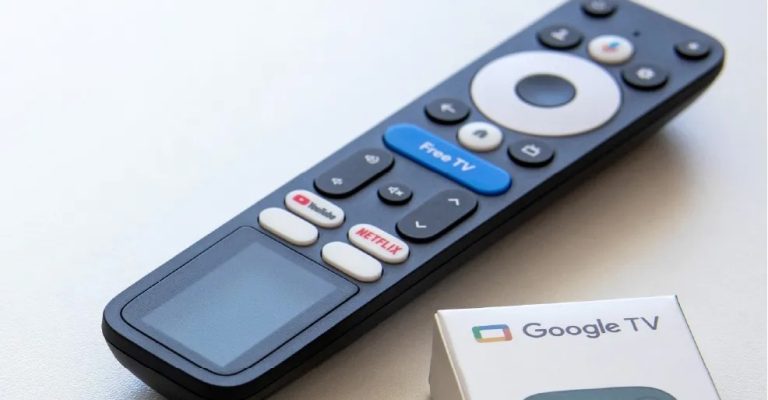
Despite the slowing momentum, Google TV continues to dominate across many major television brands, with TCL and Sony remaining among its strongest supporters. Both companies continue to use Google TV extensively across much of their television line-ups.
However, not every manufacturer has stayed committed to Google’s platform.
Philips owner TP Vision has abandoned Google TV entirely across its European television range in favour of Titan OS. The company reportedly cited concerns over limited influence on platform development and feature rollouts as key reasons for the switch.
Hisense has also diversified its strategy. While the company still offers Google TV models in North America, it has increasingly focused on its own Vidaa operating system in Europe and several international markets.
Panasonic similarly explored Google TV before ultimately shifting most of its premium televisions to Amazon Fire TV, while reserving TiVo OS for more affordable models.
Even with some manufacturers pursuing alternative platforms, Google TV remains one of the most widely supported ecosystems for streaming services and applications. Nearly every major streaming app is available on the platform, although Microsoft’s Xbox cloud gaming app remains absent for now. According to TCL, that could change before the end of the year.
The increasingly fragmented smart TV market highlights how manufacturers are seeking greater control over software experiences, advertising opportunities and customer data as televisions become more deeply connected entertainment hubs.