Former Tech CEO Pleads Guilty in Insider Trading Scandal Tied to High-Profile ASX Collapse & Intermedia Group
 David Richards
10 Apr 2026
David Richards
10 Apr 2026
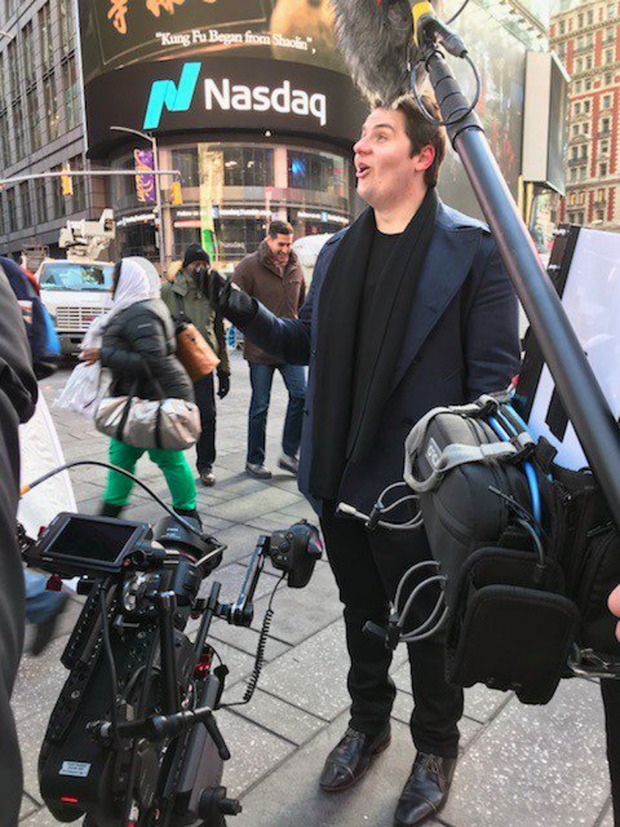
A dramatic chapter in one of Australia’s most notorious corporate collapses has unfolded in the Sydney District Court, where former Big Un Limited chief executive Richard Evans—who previously operated under the name Evertz—has pleaded guilty to a criminal charge involving the unlawful communication of inside information, the Company was linked with The Intermedia Group owners of Mumbrella and Appliance Retailer.
The conviction marks a significant development in the long-running fallout from the implosion of Big Un, once one of the Australian Securities Exchange’s most meteoric success stories before its spectacular collapse in 2018.
Inside Information Passed to Shareholder
According to the Australian Securities and Investments Commission (ASIC), Evans unlawfully disclosed confidential, market-sensitive information to a shareholder around 10 January 2017. Prosecutors allege that Evans either knew—or ought reasonably to have known—that the recipient would likely use that information to trade in Big Un shares and options.
The charge, brought under section 1043A(2) of the Corporations Act 2001, carries severe penalties, reflecting the seriousness with which regulators view insider trading. At the time of the offence, Evans faced a maximum sentence of up to 10 years imprisonment and substantial financial penalties. Those penalties have since increased under legislative reforms.
The matter will now proceed to sentencing, scheduled for 21 August 2026, after the trial was formally vacated following the guilty plea.
A Company Built on Hype—and Questions
Big Un was once celebrated as a rising star in Australia’s tech sector. At its peak, the company was among the best-performing ASX-listed stocks in 2017, fuelled by aggressive marketing and bold claims about its business model.
Central to its offering was a controversial $12,000 “TV Show” promotional package, marketed to small businesses as a pathway to media exposure. Customers were often encouraged to finance these packages through a $20 million funding arrangement with Finstro, a lending product linked to Sydney-based financier First Class Capital.
However, cracks began to emerge when questions were raised about the legitimacy and sustainability of these funding arrangements, as well as the company’s reported customer growth.
Disputed Media Partnerships
Further controversy surrounded claims by Big Un that it had entered into a joint venture with The Intermedia Group, publisher of industry outlets including Mumbrella and Appliance Retailer.
Despite repeated assertions in annual reports, investor briefings, press releases, and even promotional YouTube videos, legal representatives for Intermedia later denied that any formal joint venture had ever been finalised.
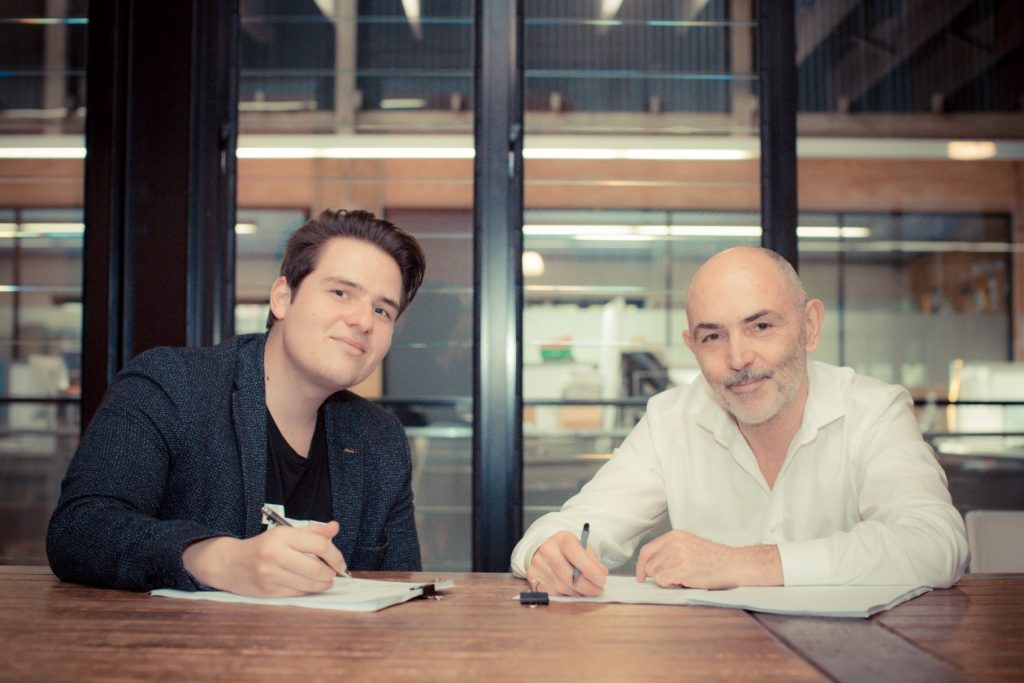
Simeon Grover right CEO of The Intermedia Group signs a deal with Big Un Brandon Evertz Director of Big Un.
The discrepancy triggered scrutiny from media outlets including ChannelNews, which challenged the company’s claims and raised concerns about the conduct of Big Un directors.
Authorities have made clear, however, that there is no suggestion of wrongdoing by Intermedia or its executives.
A Troubled Leadership History
Evans’ involvement in Big Un added another layer of controversy. A convicted criminal who previously served time in a Victorian prison, he had changed his name to Evertz before becoming closely linked to the company’s leadership.
His son, Brandon Evertz, became CEO at a remarkably young age, briefly holding the distinction of being the youngest chief executive of any ASX-listed company.
The company’s leadership structure and governance practices have since come under intense scrutiny in the wake of its collapse.
Collapse and Aftermath
In February 2018, Big Un’s rapid ascent came to an abrupt halt when its shares were suspended from trading following revelations about its financing arrangements with First Class Capital.
Within months, the company was placed into voluntary administration. By August 2018, it had been delisted from the ASX and ultimately entered liquidation, leaving investors nursing heavy losses.
Wider Criminal Probe and Multiple Convictions
Evans’ guilty plea is just one piece of a broader enforcement crackdown tied to Big Un’s downfall.
ASIC has already secured convictions and disciplinary actions against several individuals connected to the company, including:
Auditor Graham Rothesay Swan, convicted for failing to conduct the 2017 audit in accordance with required standards.
Auditor Jakin Leong Loke, whose registration was suspended for 12 months due to his role in the audit.
Former investment analyst Michael Ming Jinn Ho, sentenced to three years’ imprisonment (via an intensive correction order) after being convicted on multiple insider trading offences between 2016 and 2018.
Meanwhile, former chief financial officer Andrew Corner remains embroiled in ongoing criminal proceedings. ASIC alleges he orchestrated the sale of 1.7 million shares—worth more than $5 million—through private companies under his control while in possession of inside information. A recent trial ended in a hung jury, with further proceedings scheduled for April 2026.
Regulator Crackdown Intensifies
The prosecution of Evans is part of a broader push by ASIC to strengthen enforcement against insider trading and corporate misconduct.
The regulator has identified insider trading as a key enforcement priority for 2026 and has established a dedicated taskforce aimed at accelerating investigations and increasing the number of criminal prosecutions referred to the Commonwealth Director of Public Prosecutions (CDPP).
A Warning to the Market
The Big Un saga now stands as one of the most cautionary tales in Australia’s corporate history—a story of rapid growth, aggressive promotion, and ultimately, regulatory intervention.
With multiple convictions already secured and further cases still before the courts, authorities are sending a clear message: misuse of inside information and breaches of market integrity will be pursued relentlessly, no matter how high-profile the individuals involved.